


Pedro de Araujo
Released Album
Keyboard
-
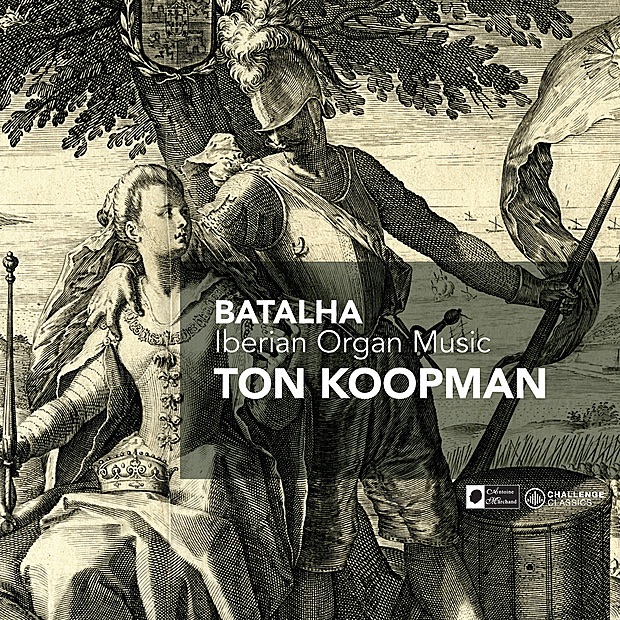 October 5, 2009
 -
 July 20, 2009
Artist Info
Role:ComposerCountry: PortugalBirth:17th c.Death:17th c.Period:BaroqueGenre:KeyboardPedro de Araujo was a Portuguese composer of the Baroque era, born in Lisbon in 1640. He was a prolific composer of sacred music, and his works are considered to be some of the finest examples of Portuguese Baroque music. Araujo was born into a family of musicians, and he began his musical education at a young age. He studied with some of the most prominent musicians of his time, including the composer and organist João Lourenço Rebelo. Araujo was a talented musician, and he quickly gained a reputation as a skilled composer and performer. In 1667, Araujo was appointed as the organist at the Cathedral of Évora, a position he held for the rest of his life. During his time in Évora, Araujo composed a large number of works for the cathedral, including masses, motets, and hymns. His music was highly regarded by his contemporaries, and he was considered to be one of the leading composers of his time. Araujo's music is characterized by its rich harmonies, intricate counterpoint, and expressive melodies. His works are notable for their use of chromaticism and dissonance, which were unusual for the time. Araujo's music is also notable for its use of Portuguese folk melodies and rhythms, which he incorporated into his compositions. One of Araujo's most famous works is his Missa de Nossa Senhora, which was composed in 1670. The mass is a masterpiece of Baroque music, and it is considered to be one of the finest examples of Portuguese sacred music. The mass is notable for its use of polyphony, which was a new and innovative technique at the time. The mass is also notable for its use of Portuguese folk melodies, which Araujo incorporated into the composition. Another notable work by Araujo is his Te Deum, which was composed in 1674. The Te Deum is a hymn of praise, and Araujo's setting of the text is a masterpiece of Baroque music. The work is notable for its use of polyphony, which Araujo used to create a rich and complex texture. The Te Deum is also notable for its use of Portuguese folk melodies, which Araujo incorporated into the composition. Araujo's music was highly regarded during his lifetime, and his works were performed throughout Portugal and beyond. His music was also influential on later composers, and his use of Portuguese folk melodies and rhythms had a lasting impact on Portuguese music. Despite his success as a composer, Araujo lived a relatively quiet life. He remained in Évora for the rest of his life, and he continued to compose music for the cathedral until his death in 1705. Araujo's legacy as a composer has endured, and his music continues to be performed and admired by musicians and audiences around the world.More....


Copyright Ⓒ 2013 Davinci Finger. All rights reseved
Service Terms & Policy