


Väinö Raitio
Released Album
Orchestral
-
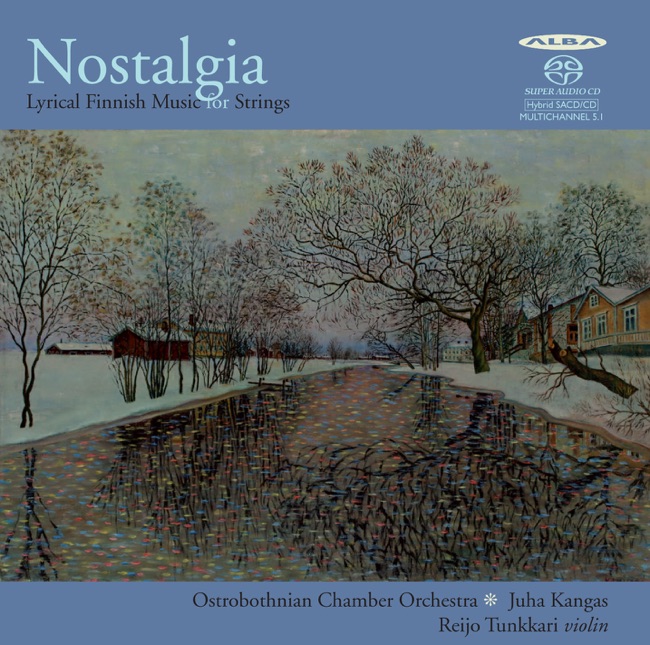 October 15, 2012
 -
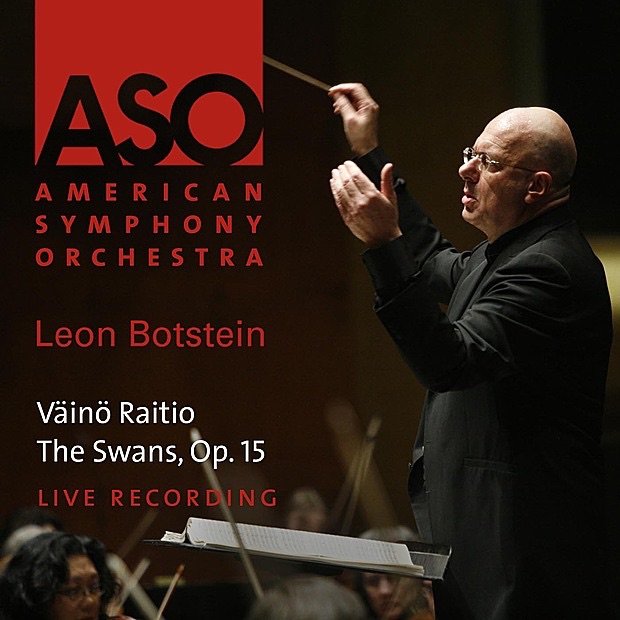 October 14, 2011
 -
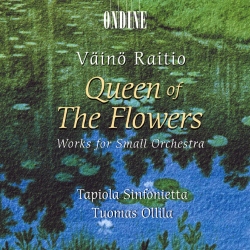
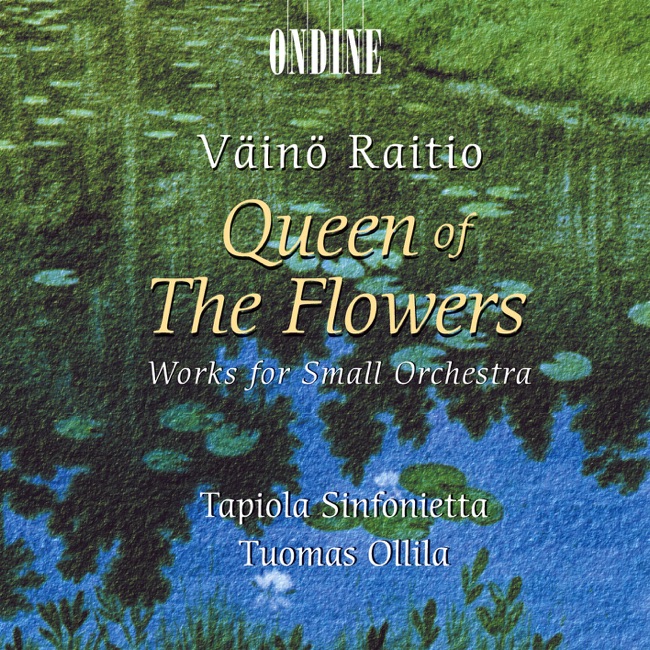 June 24, 2003
 -
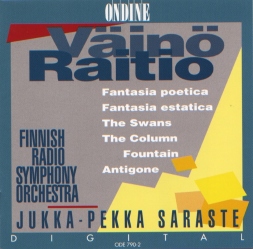
 January 1, 1995
 -
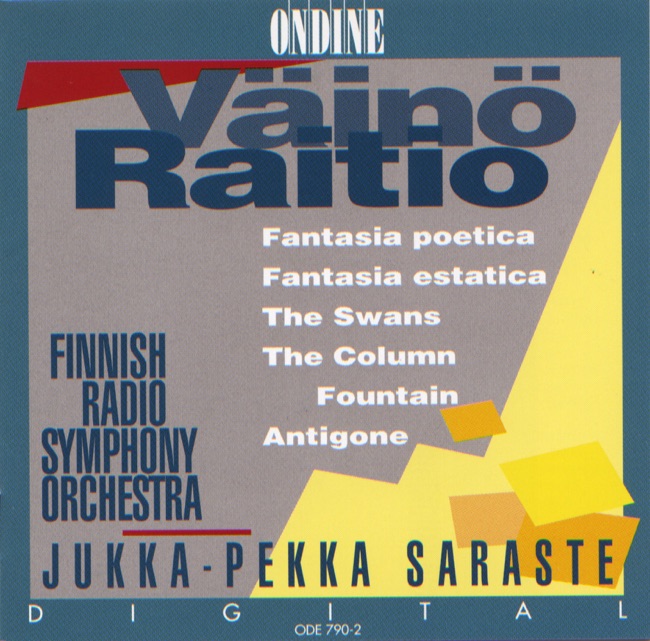 February, 1993
Keyboard
-
 August 14, 2012
 -
 March 13, 2012
 -
 February 23, 2011
Chamber
-
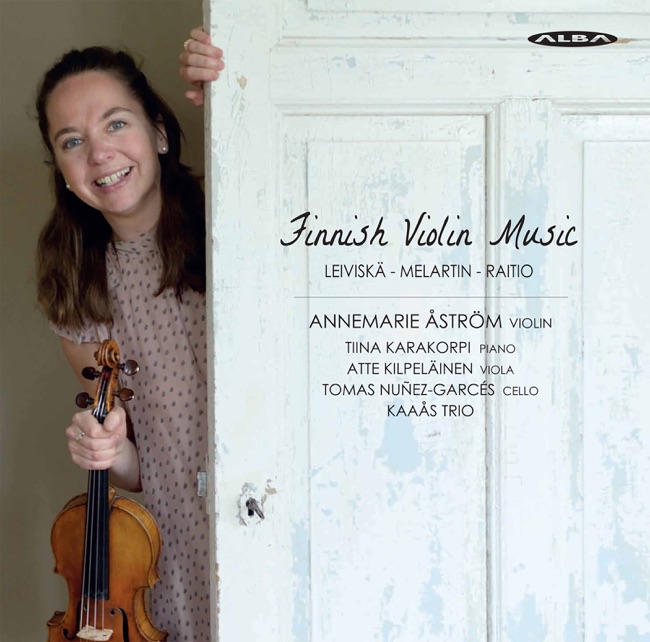 January 5, 2018
Artist Info
Role:ComposerCountry: FinlandBirth:April 15, 1891Death:September 10, 1945Period:ModernGenre:OrchestralVäinö Raitio was a Finnish composer who was born on June 28, 1891, in Helsinki, Finland. He was the son of a music teacher and grew up in a musical family. His father, Juho Raitio, was a composer and conductor, and his mother, Ida Raitio, was a pianist. From a young age, Väinö showed a great interest in music and began studying the piano and violin. In 1910, Raitio enrolled at the Helsinki Music Institute, where he studied composition with Erkki Melartin. He also studied the piano with Selim Palmgren and the violin with Aksel Airo. During his time at the institute, Raitio became interested in the music of Richard Wagner and began to incorporate elements of Wagnerian opera into his own compositions. In 1913, Raitio graduated from the Helsinki Music Institute and began working as a music teacher. He also continued to compose, and his first major work, the symphonic poem "Kullervo," was premiered in 1914. The piece was inspired by the Finnish epic poem "Kalevala" and was well-received by audiences and critics alike. During World War I, Raitio served in the Finnish Army as a musician. After the war, he continued to compose and became known for his use of Finnish folk music in his works. In 1921, he composed his most famous work, the opera "Prinsessa," which was based on a Finnish fairy tale. The opera was a critical and commercial success and helped establish Raitio as one of Finland's leading composers. Throughout the 1920s and 1930s, Raitio continued to compose operas, symphonies, and other works. He also became involved in the Finnish music scene and served as the chairman of the Finnish Composers' Association from 1927 to 1930. In 1939, he was awarded the Order of the Lion of Finland, one of the country's highest honors. During World War II, Raitio continued to compose, but his output was limited due to the war. He also became involved in the Finnish resistance movement and was arrested by the Gestapo in 1943. He was released after a few weeks but was forced to go into hiding for the remainder of the war. After the war, Raitio continued to compose and became interested in electronic music. He began experimenting with tape recorders and other electronic equipment and composed several works that incorporated electronic sounds. He also continued to write operas and symphonies, including his final work, the opera "Kuningas lähtee Ranskaan," which was premiered in 1956. Väinö Raitio died on September 19, 1945, in Helsinki, Finland, at the age of 54. He is remembered as one of Finland's most important composers and is known for his use of Finnish folk music and his incorporation of electronic sounds into his works. His music continues to be performed and recorded today, and he is considered a major figure in Finnish classical music.More....
Recent Artist Music


Copyright Ⓒ 2013 Davinci Finger. All rights reseved
Service Terms & Policy