


José de Nebra
Released Album
Opera
-
 October 21, 2022
 -
 June 5, 2020
 -
 October 1, 2012
 -
 October 24, 2011
 -
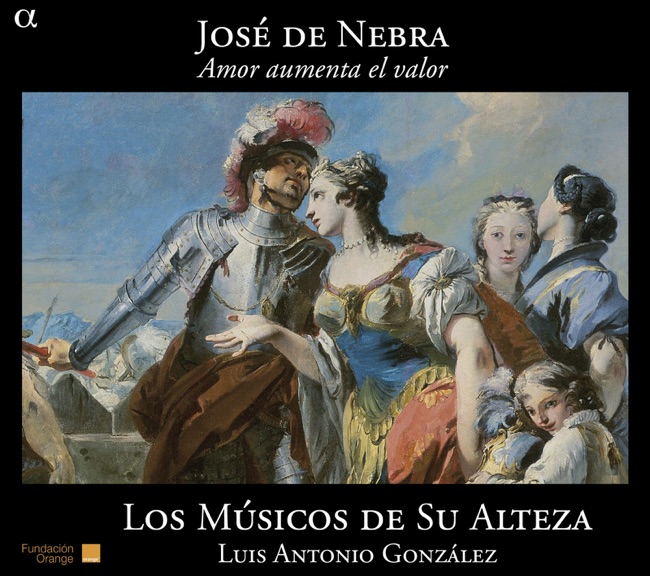 January 11, 2011
Vocal
-
 October 15, 2021
 -
 November 11, 2016
 -
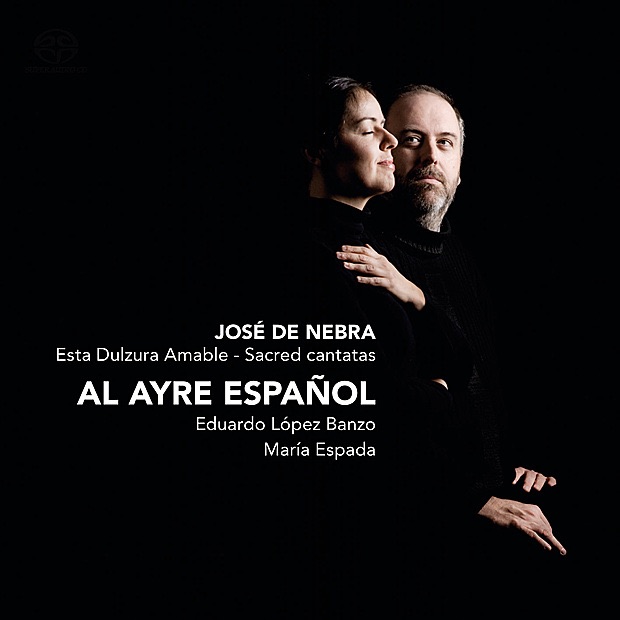 April 1, 2011
 -
 August 28, 2007
 -
 November 8, 2005
Keyboard
-
 November 25, 2008
Artist Info
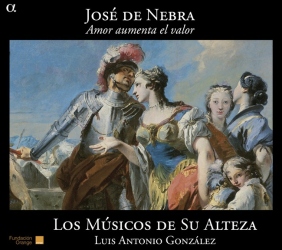
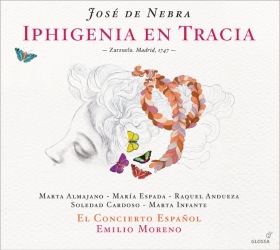
Role:ComposerBirth:1702Death:1768Period:BaroqueGenre:ChoralOperaJosé de Nebra was a Spanish composer of the Baroque era, born in Calatayud, Aragon, on January 6, 1702. He was the son of a musician, José de Nebra y Muela, who was the organist at the Collegiate Church of Santa María in Calatayud. His father was his first music teacher, and he received his early education in music from him. Nebra's musical talent was evident from a young age, and he quickly became a skilled keyboard player and composer. In 1719, Nebra moved to Madrid to study music at the Royal Chapel. He studied under the renowned composer and theorist Francisco José de Castro, who was the chapel master at the time. Nebra's time in Madrid was a formative period in his musical development, and he was exposed to the latest trends in music from across Europe. He also had the opportunity to perform for the royal court, which helped to establish his reputation as a composer. Nebra's first major composition was the opera "Viento es la dicha de amor," which was performed in Madrid in 1725. The opera was a great success, and it established Nebra as one of the leading composers of his time. He went on to compose several more operas, including "Amor aumenta el valor," "Ifigenia en Tracia," and "Hercules en la Oeta." Nebra's music was characterized by its dramatic intensity and emotional depth. He was a master of the Baroque style, and his music was marked by its use of complex harmonies, intricate counterpoint, and virtuosic keyboard writing. His operas were particularly notable for their expressive arias and duets, which showcased his gift for melody and his ability to convey deep emotion through music. In addition to his operas, Nebra also composed a significant amount of sacred music. He wrote several masses, motets, and other works for the church, including the "Miserere" and the "Stabat Mater." His sacred music was highly regarded for its beauty and its ability to inspire devotion in listeners. Nebra's career was not without its challenges, however. In 1740, he was accused of plagiarism by the composer Antonio Literes, who claimed that Nebra had stolen material from one of his operas. The accusation was a serious one, and it threatened to damage Nebra's reputation as a composer. However, Nebra was able to defend himself against the charges, and he was ultimately exonerated. Despite this setback, Nebra continued to compose music throughout his life. He remained active in the musical community in Madrid, and he was highly respected by his peers. He died in Madrid on July 11, 1768, at the age of 66. Today, Nebra is remembered as one of the most important composers of the Spanish Baroque era. His music continues to be performed and recorded, and it is admired for its beauty, its emotional power, and its technical brilliance. His operas, in particular, are considered to be among the finest examples of Baroque opera in the Spanish language. In conclusion, José de Nebra was a gifted composer who made significant contributions to the music of the Baroque era. His operas and sacred music are still admired today for their beauty, their emotional depth, and their technical brilliance. Despite the challenges he faced during his career, Nebra remained committed to his art, and his legacy continues to inspire musicians and music lovers around the world.More....
Recent Artist Music
1
2:51
11
6:33
13
Oh, God lift up
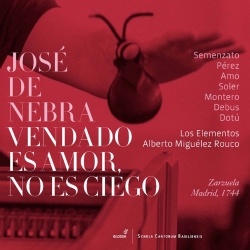
¡Ay, dios aleve! aria y coplas de la zarzuela Viento es la dicha de amor, Estribillo y coplas a dos
4:14
Copyright Ⓒ 2013 Davinci Finger. All rights reseved
Service Terms & Policy