


Vladimir Alexandrovich Vlasov
Released Album
Vocal
-
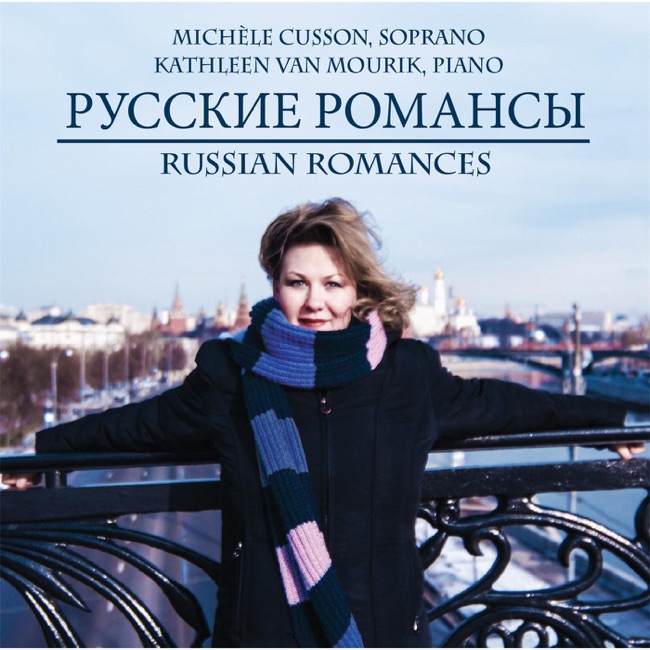 September 20, 2015
 -
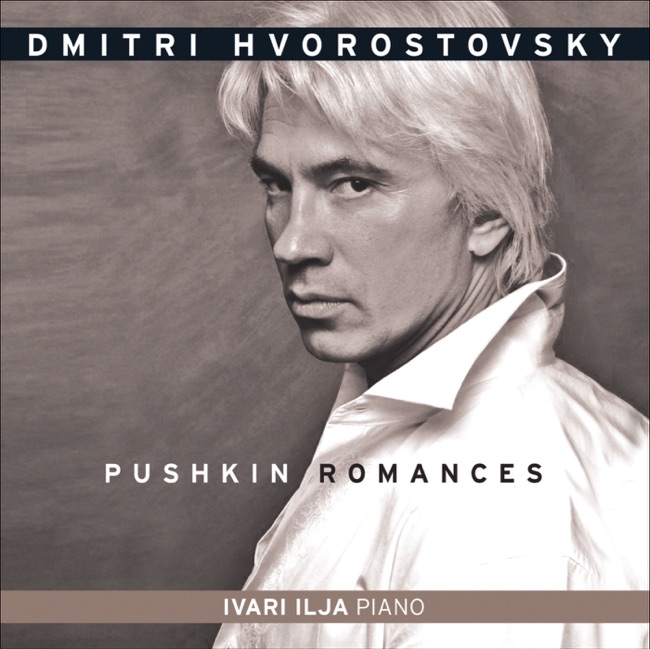 May 25, 2010
 -
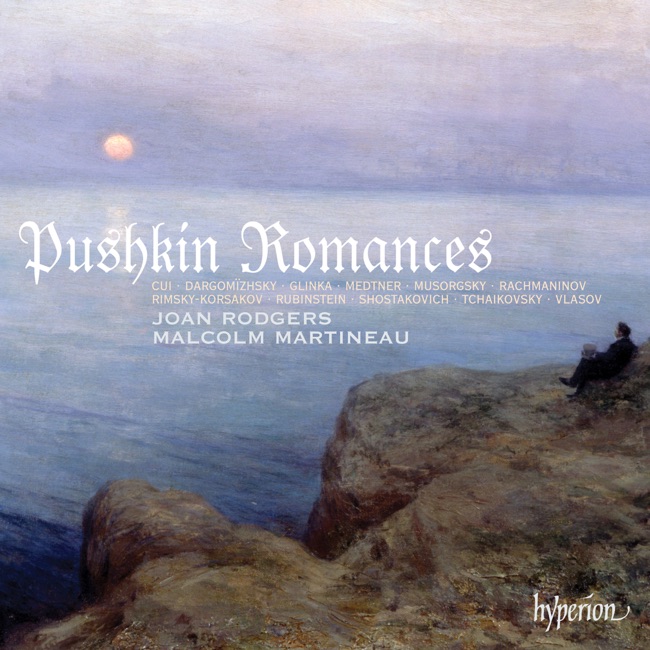 October 1, 2009
 -
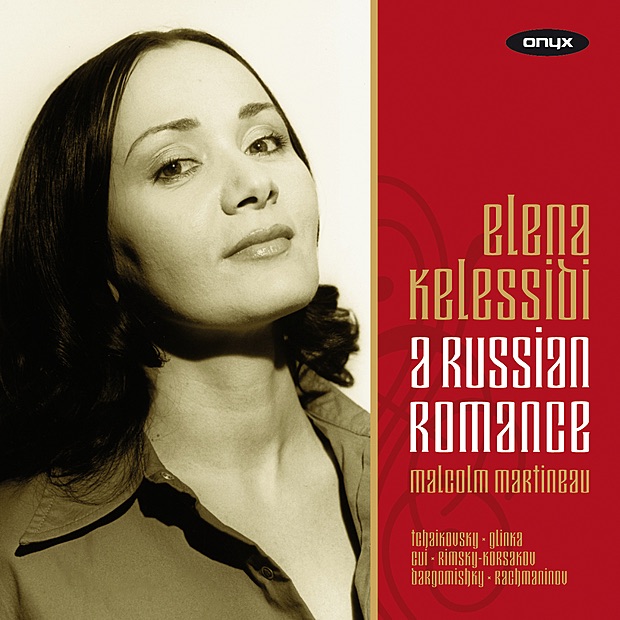 September 29, 2008
Artist Info
Role:ComposerPeriod:ModernGenre:ChamberOrchestralVocalVladimir Alexandrovich Vlasov was a prominent Russian composer of classical music. He was born on December 31, 1903, in the city of Moscow, Russia. Vlasov was born into a family of musicians, and his father was a well-known conductor and composer. From a young age, Vlasov showed a keen interest in music, and his parents encouraged him to pursue his passion. Vlasov began his musical education at the Moscow Conservatory, where he studied composition under the tutelage of Nikolai Myaskovsky. He graduated from the conservatory in 1927 and went on to become a professor of composition at the same institution. Vlasov's early works were heavily influenced by the Russian classical tradition, and he was known for his use of folk melodies and rhythms in his compositions. One of Vlasov's early works, the Symphony No. 1, was composed in 1931 and premiered in Moscow the following year. The symphony was well-received by audiences and critics alike, and it established Vlasov as a rising star in the world of classical music. The Symphony No. 1 was followed by a number of other works, including the Symphony No. 2, which was composed in 1935. In the years leading up to World War II, Vlasov continued to compose prolifically. He wrote a number of chamber works, including string quartets and piano sonatas, as well as larger-scale works such as his Symphony No. 3, which was composed in 1940. Vlasov's music during this period was characterized by its emotional intensity and its use of Russian folk melodies and rhythms. During World War II, Vlasov served in the Soviet Army as a composer and conductor. He wrote a number of patriotic works during this time, including the Symphony No. 4, which was composed in 1943 and dedicated to the Soviet Army. The symphony was a powerful tribute to the bravery and sacrifice of the soldiers fighting in the war, and it remains one of Vlasov's most popular works. After the war, Vlasov continued to compose and teach at the Moscow Conservatory. He wrote a number of works for the stage, including operas and ballets, as well as orchestral works such as his Symphony No. 5, which was composed in 1952. Vlasov's music during this period was marked by its lyrical beauty and its use of rich harmonies and textures. In the 1960s, Vlasov's music began to incorporate more modernist elements, such as atonality and serialism. He wrote a number of works during this period that were experimental in nature, including his Symphony No. 6, which was composed in 1965. The symphony was a departure from Vlasov's earlier works, and it was met with mixed reviews from audiences and critics. Despite the mixed reception to his more experimental works, Vlasov continued to compose and teach until his death in 1986. His legacy as a composer and educator continues to be felt in the world of classical music, and his works remain an important part of the Russian classical tradition. Vlasov's music is characterized by its emotional intensity, its use of Russian folk melodies and rhythms, and its rich harmonies and textures. His contributions to the world of classical music have earned him a place among the great composers of the 20th century.More....
Recent Artist Music
Copyright Ⓒ 2013 Davinci Finger. All rights reseved
Service Terms & Policy