


Joseph Kerzkowsky
Released Album
Keyboard
-
 January 8, 2016
 -
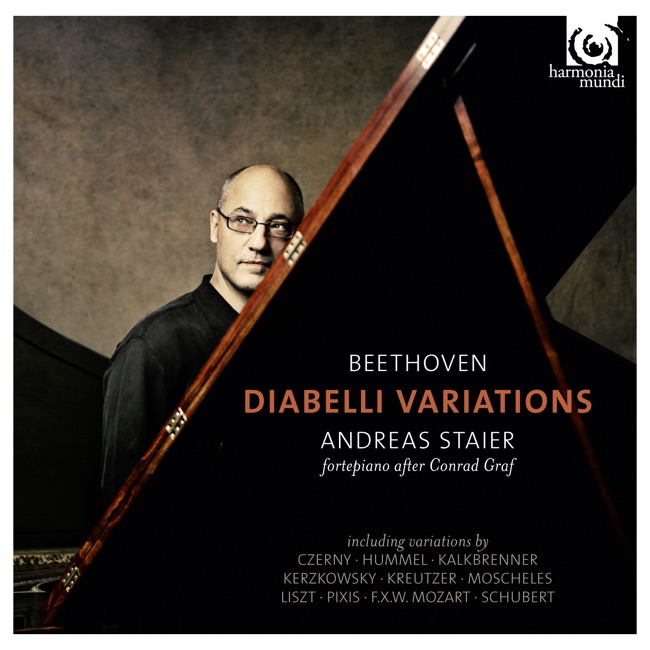 May 1, 2012
 -
 June 29, 2009
 -
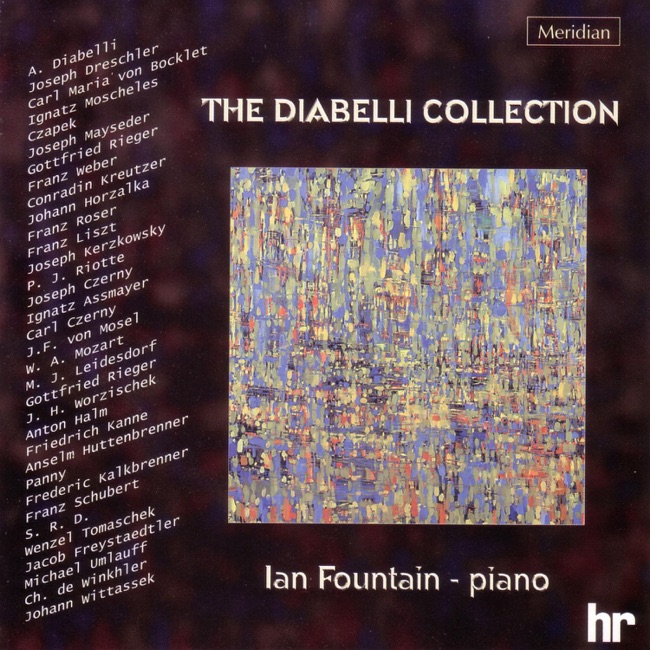 September 4, 2001
 -
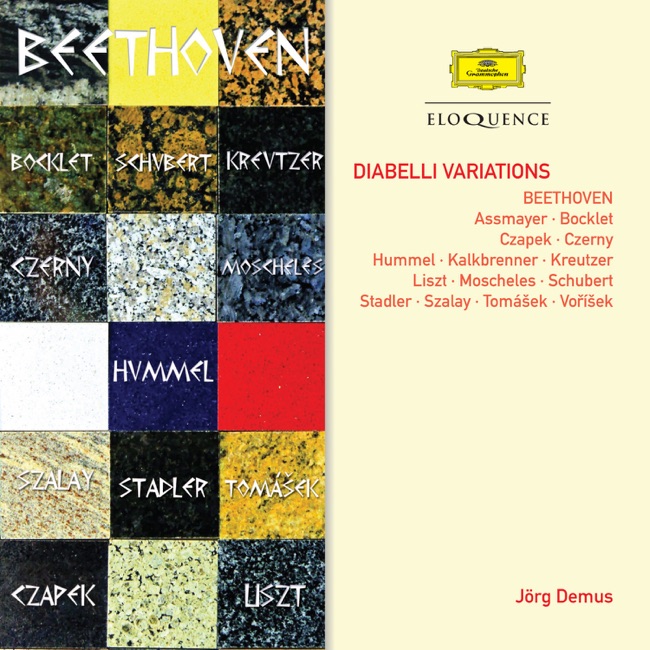 January 1, 1973
Artist Info
Role:ComposerGenre:KeyboardJoseph Kerzkowsky was a classical music composer born in Vienna, Austria on January 15, 1866. He was the son of a wealthy merchant and grew up in a family that valued education and the arts. From a young age, Kerzkowsky showed a natural talent for music and began studying piano and composition at the Vienna Conservatory at the age of 10. Kerzkowsky's early compositions were heavily influenced by the Romantic era, particularly the works of Franz Liszt and Richard Wagner. He was also inspired by the music of his contemporaries, including Gustav Mahler and Arnold Schoenberg. Despite his young age, Kerzkowsky quickly gained recognition for his talent and was awarded several prizes for his compositions. In 1885, Kerzkowsky graduated from the Vienna Conservatory with honors and began working as a freelance composer. He quickly established himself as one of the leading composers of his generation, and his works were performed by some of the most prestigious orchestras and ensembles in Europe. One of Kerzkowsky's most notable works from this period was his Symphony No. 1, which premiered in Vienna in 1890. The symphony was well-received by audiences and critics alike, and established Kerzkowsky as a major force in the world of classical music. Over the next several years, Kerzkowsky continued to compose prolifically, producing a wide range of works in various genres. He wrote several operas, including the critically acclaimed Der Ring des Nibelungen, which premiered in Munich in 1896. He also composed numerous chamber works, including string quartets, piano trios, and sonatas. Despite his success, Kerzkowsky was not immune to the political and social upheavals of his time. In the early 1900s, he became increasingly disillusioned with the conservative musical establishment in Vienna, which he felt was stifling innovation and creativity. He began to experiment with more avant-garde forms and techniques, incorporating elements of atonality and dissonance into his compositions. This shift in style was reflected in some of Kerzkowsky's most famous works, including his Symphony No. 2, which premiered in Berlin in 1908. The symphony was a departure from Kerzkowsky's earlier works, featuring complex harmonies and unconventional instrumentation. It was met with mixed reviews, with some critics praising its boldness and originality, while others criticized it as too radical and difficult to understand. Despite the controversy surrounding his new style, Kerzkowsky continued to push the boundaries of classical music throughout his career. He wrote several more symphonies, including his Symphony No. 3, which premiered in Vienna in 1912. The symphony was a complex and challenging work, featuring intricate polyrhythms and unconventional harmonies. Kerzkowsky's later works were also marked by a growing interest in folk music and traditional forms. He incorporated elements of Hungarian and Slavic music into his compositions, creating a unique blend of classical and folk styles. Some of his most famous works from this period include his Hungarian Rhapsodies and Slavonic Dances. Despite his many achievements, Kerzkowsky's career was cut short by his untimely death in 1924. He was only 58 years old at the time, but had already established himself as one of the most important composers of his generation. His legacy lives on through his many works, which continue to be performed and admired by classical music enthusiasts around the world.More....
Recent Artist Music
1
2:35
2
2:35
3
2:34
6

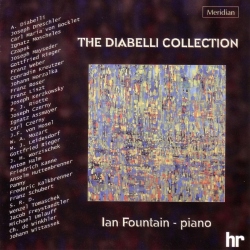
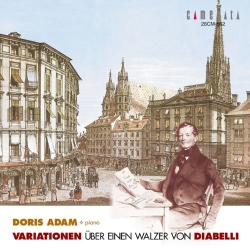
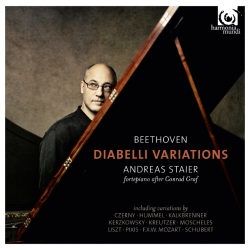
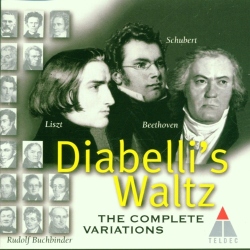
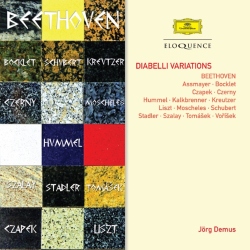
Variation on a Waltz by Diabelli (v. 20)
50 Variations on a Waltz: Variation 20 by Joseph Kerzkowsky
2:44
Copyright Ⓒ 2013 Davinci Finger. All rights reseved
Service Terms & Policy