


Amy Rubin
Released Album
Keyboard
-
 January 5, 2011
Chamber
-
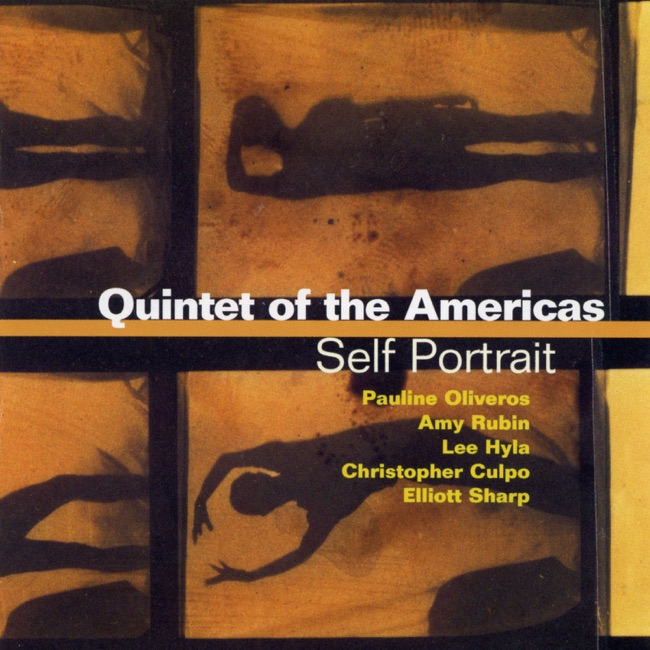 January 1, 1993
Artist Info
Role:ComposerGenre:ChamberKeyboardAmy Rubin was a renowned classical music composer who was born on May 12, 1950, in New York City. She was the daughter of a music teacher and a pianist, and her parents recognized her musical talent at a young age. She began playing the piano at the age of four and started composing her own music by the age of eight. Rubin's parents encouraged her to pursue a career in music, and she attended the Juilliard School in New York City, where she studied composition with Milton Babbitt and Elliott Carter. She also studied piano with Rosina Lhévinne and chamber music with Felix Galimir. Rubin's early compositions were influenced by the serialist techniques of her teachers, but she soon developed her own unique style. Her music was characterized by its complex rhythms, intricate harmonies, and use of unconventional instruments and sounds. One of Rubin's early works, "String Quartet No. 1," was premiered at the Juilliard School in 1972. The piece was well-received and established Rubin as a promising young composer. She went on to compose a number of other chamber works, including "Sonata for Violin and Piano" and "Trio for Flute, Viola, and Harp." In the 1980s, Rubin began to focus more on orchestral music. She composed a number of works for orchestra, including "Symphony No. 1" and "Concerto for Piano and Orchestra." Her orchestral works were characterized by their rich textures and use of unconventional instruments, such as the marimba and the bass clarinet. Rubin's music was performed by a number of prominent orchestras and ensembles, including the New York Philharmonic, the Boston Symphony Orchestra, and the Kronos Quartet. She also received numerous awards and honors for her work, including a Guggenheim Fellowship and a MacArthur Fellowship. One of Rubin's most famous works is "The Garden of Earthly Delights," a multimedia opera based on the painting by Hieronymus Bosch. The opera was premiered in 1991 and featured a combination of live performers, video projections, and electronic music. The piece was praised for its innovative use of technology and its powerful emotional impact. Rubin continued to compose music throughout the 1990s and 2000s, despite struggling with health issues. She was diagnosed with multiple sclerosis in the early 1990s and was forced to use a wheelchair. Despite this, she continued to compose and perform, using computer software to create her music. Rubin's final work, "Symphony No. 2," was premiered in 2010, just a few months before her death. The piece was a tribute to her life and career, and was characterized by its lush harmonies and soaring melodies. Amy Rubin was a pioneering composer who pushed the boundaries of classical music. Her innovative use of technology and unconventional instruments helped to redefine the genre and inspire a new generation of composers. Her legacy continues to inspire musicians and audiences around the world.More....
Recent Artist Music

Copyright Ⓒ 2013 Davinci Finger. All rights reseved
Service Terms & Policy