


Joyce Wai-Chung Tang
Released Album
Orchestral
-
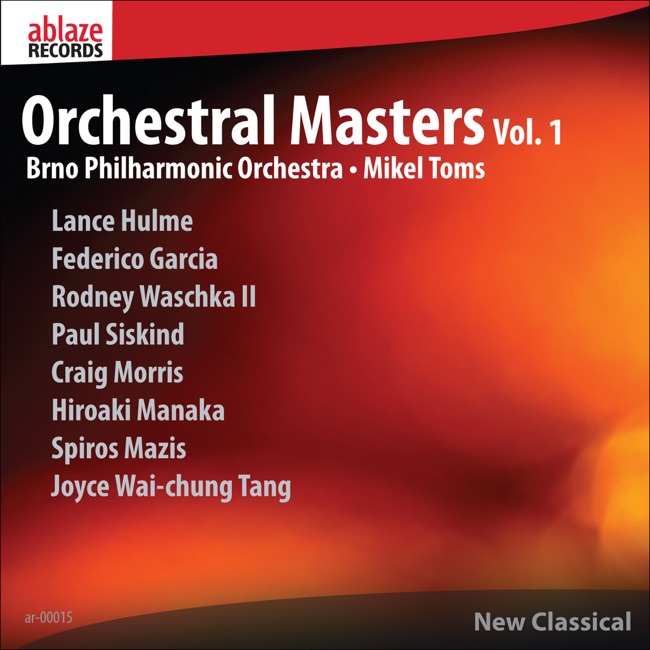 December 1, 2013
Chamber
-
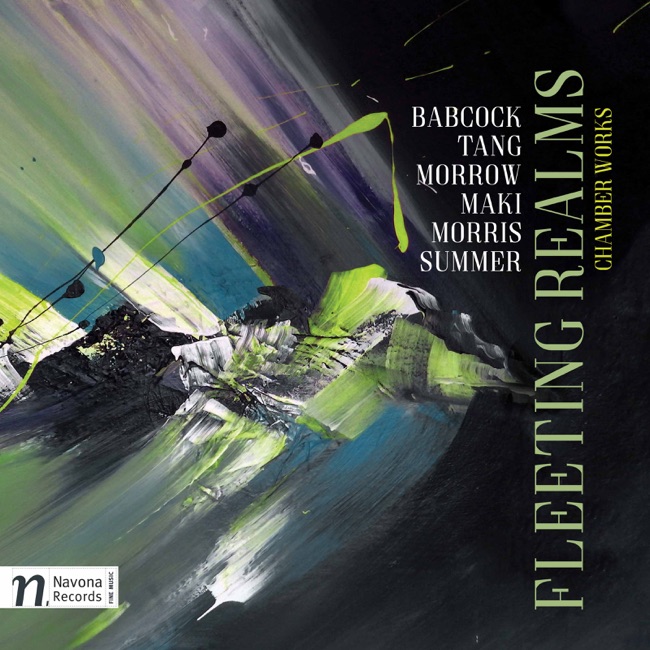 September 8, 2017
Artist Info
Role:ComposerJoyce Wai-Chung Tang is a renowned classical music composer who has made significant contributions to the world of music. She was born on August 22, 1959, in Hong Kong, China. Her parents were both music lovers, and they encouraged her to pursue her passion for music from a young age. Tang started playing the piano when she was just four years old, and by the time she was a teenager, she had already composed several pieces of music. Tang's early years were spent in Hong Kong, where she received her primary education. She attended the Hong Kong Academy for Performing Arts, where she studied music composition under the guidance of renowned composers such as Chan Wing-wah and Law Wing-fai. After completing her studies, Tang moved to the United States to further her education. In the US, Tang attended the University of California, San Diego, where she earned a Bachelor of Arts degree in music composition. She then went on to earn a Master of Music degree from the University of Michigan, where she studied under the tutelage of William Bolcom and Leslie Bassett. Tang also studied at the Eastman School of Music, where she earned a Doctor of Musical Arts degree in composition. Tang's compositions are known for their unique blend of Eastern and Western musical traditions. She draws inspiration from Chinese folk music, as well as Western classical music, to create works that are both innovative and captivating. Her compositions have been performed by some of the world's leading orchestras, including the Hong Kong Philharmonic Orchestra, the Shanghai Symphony Orchestra, and the New York Philharmonic. One of Tang's most notable works is her Symphony No. 1, which was commissioned by the Hong Kong Philharmonic Orchestra in 1997. The symphony is a tribute to the city of Hong Kong and its people, and it incorporates elements of Chinese folk music and Western classical music. The symphony was well-received by audiences and critics alike, and it helped to establish Tang as one of the leading composers of her generation. Another notable work by Tang is her opera, "The Book of Changes," which was commissioned by the Hong Kong Arts Festival in 2000. The opera is based on the ancient Chinese text, the I Ching, and it explores themes of fate, destiny, and the human condition. The opera was a critical and commercial success, and it helped to cement Tang's reputation as a composer of operatic works. Tang's other notable works include "The Four Seasons of Hong Kong," a suite for orchestra that depicts the changing seasons in the city, and "The Phoenix," a concerto for Chinese instruments and orchestra that draws inspiration from Chinese mythology. Tang's works have been performed in concert halls around the world, and she has received numerous awards and accolades for her contributions to the world of music. In addition to her work as a composer, Tang is also a respected music educator. She has taught at several universities, including the University of Hong Kong, the Chinese University of Hong Kong, and the University of Michigan. She has also served as a guest lecturer and conductor at universities and music festivals around the world. Tang's contributions to the world of music have been significant, and her unique blend of Eastern and Western musical traditions has helped to bridge cultural divides and bring people together through the power of music.More....
Recent Artist Music
Copyright Ⓒ 2013 Davinci Finger. All rights reseved
Service Terms & Policy