


Daniel Gregory Mason
Released Album
Chamber
-
 August 31, 2004
 -
-
 January 17, 2000
 -
 February 9, 1999
 -
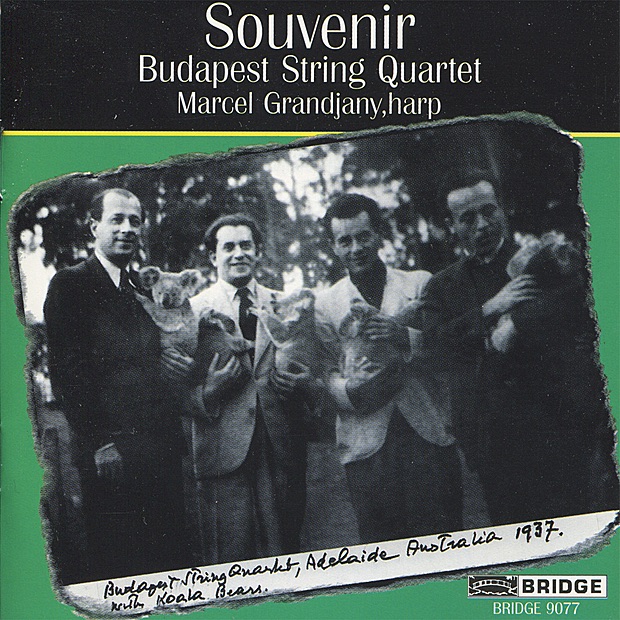 October 21, 1997
 -
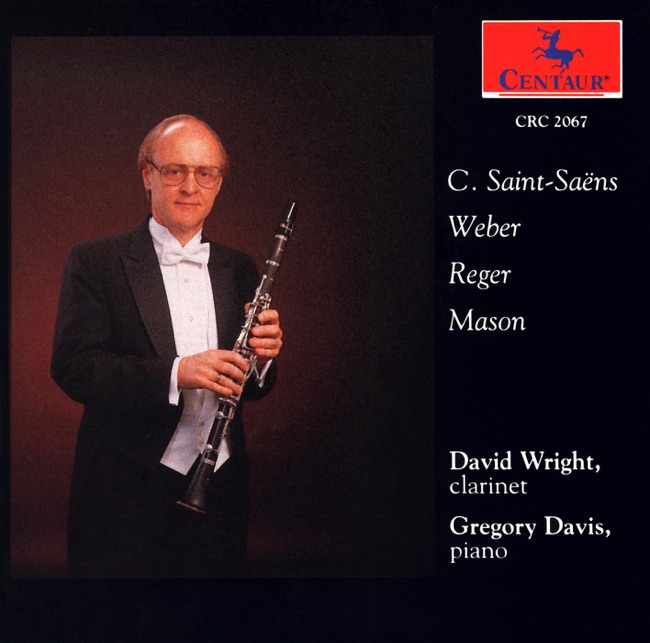 November 4, 1993
Orchestral
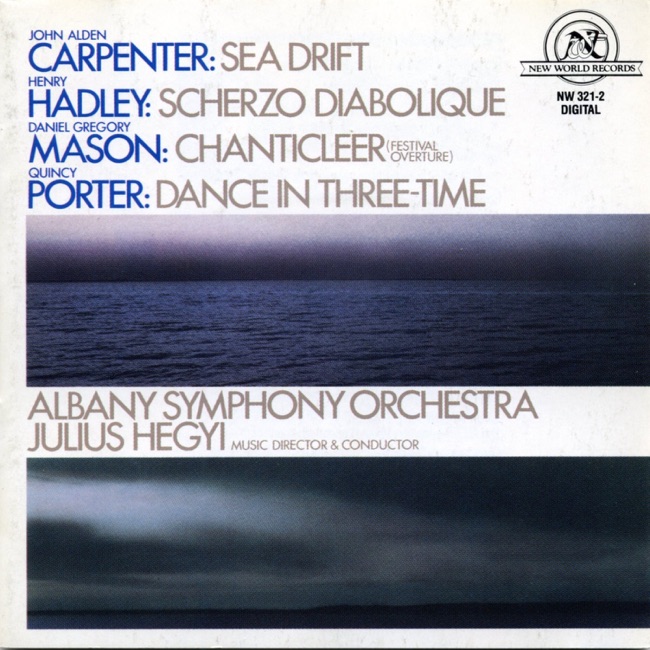
Keyboard
-
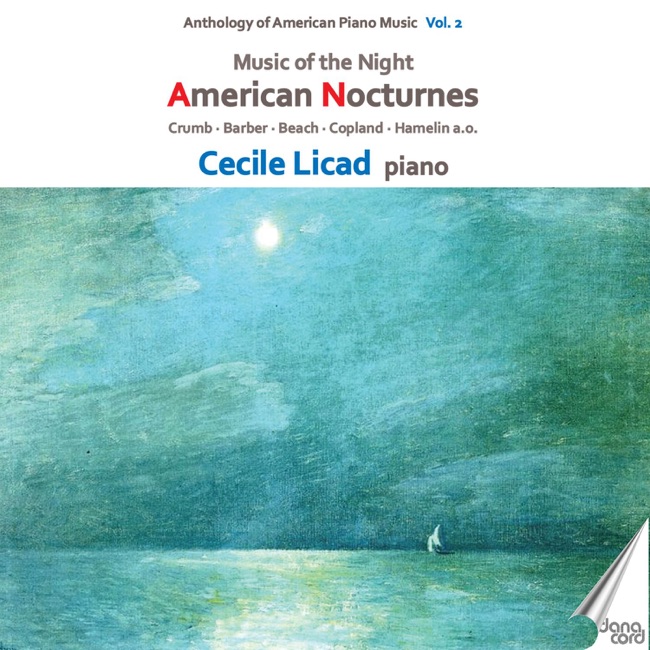 July 21, 2017
Artist Info
Role:ComposerBirth:November 20, 1873 in Brookline, MADeath:December 4, 1953 in Greenwich, CTPeriod:ModernGenre:ChamberConcertoOrchestralDaniel Gregory Mason was an American composer, music critic, and educator who was born on November 20, 1873, in Brookline, Massachusetts. He was the son of Henry Mason, a prominent music educator, and composer, and his mother was Mary Isabel Mason. Daniel Gregory Mason grew up in a musical family, and his father was his first music teacher. He began studying piano and composition at a young age and showed great promise as a musician. Mason attended Harvard University, where he studied music with John Knowles Paine, the first professor of music at Harvard. He graduated in 1896 with a degree in music and went on to study composition with George Whitefield Chadwick at the New England Conservatory of Music. Mason also studied in Europe, where he worked with some of the leading composers of the time, including Max Bruch and Engelbert Humperdinck. Mason's early compositions were heavily influenced by the German Romantic tradition, and he was known for his use of lush harmonies and rich orchestration. His first major work was a symphony, which he composed while studying in Europe. The symphony was well-received, and it helped establish Mason as a composer to watch. In addition to his work as a composer, Mason was also a music critic and educator. He wrote for several prominent music publications, including The Nation and The New York Times. He also taught at several institutions, including Columbia University, the Juilliard School, and the New York College of Music. Mason's most famous work is his opera, "The Birds of Aristophanes," which premiered in 1917. The opera is based on the ancient Greek play of the same name and tells the story of a group of birds who build a utopian city in the clouds. The opera was well-received and helped establish Mason as one of America's leading composers. Mason's other notable works include his "Piano Concerto No. 2," which was premiered by the Boston Symphony Orchestra in 1919, and his "String Quartet No. 2," which was premiered by the Kneisel Quartet in 1921. Mason was also known for his choral music, including his "Cantata for the Opening of the New York State Barge Canal," which was premiered in 1915. Mason's music was heavily influenced by his love of nature, and he often used natural imagery in his compositions. He was also interested in the music of other cultures, and he incorporated elements of folk music into his work. Mason was a proponent of American music and believed that American composers should draw on their own cultural heritage to create a unique musical style. Mason was a prolific composer, and he continued to write music throughout his life. He died on December 4, 1953, in Greenwich, Connecticut, at the age of 80. Mason's legacy as a composer, music critic, and educator continues to be felt today, and his music remains an important part of the American classical music tradition.More....
Recent Artist Music
3
13:7

7
6:1
8
Night Wind (Country Pictures No. 6), Op. 9/6
Night Wind (From "Country Pictures", Op. 9 No. 6)
3:28
Copyright Ⓒ 2013 Davinci Finger. All rights reseved
Service Terms & Policy