


Alan Spedding
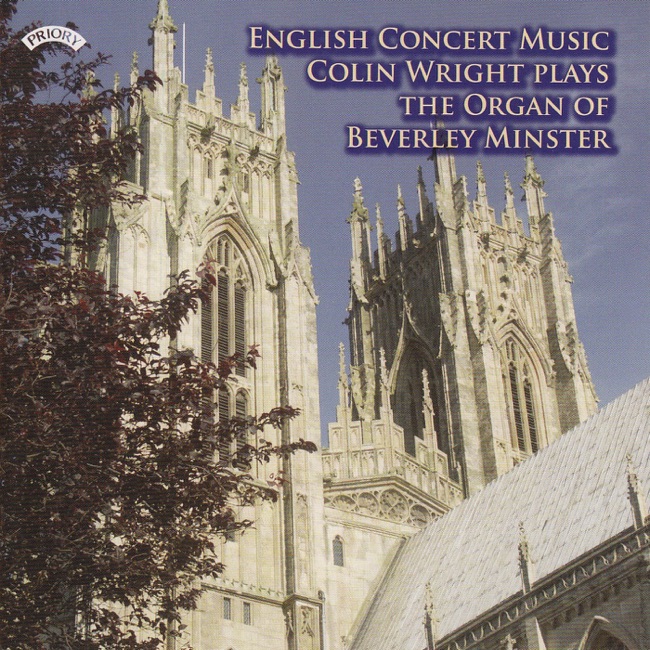
Artist Info
Role:ComposerBirth:1938Alan Spedding was a British composer born on May 12, 1948, in the town of Middlesbrough, England. He grew up in a family of musicians, with his father being a professional pianist and his mother a singer. From a young age, Spedding showed a keen interest in music and began playing the piano at the age of five. Spedding's parents recognized his talent and encouraged him to pursue a career in music. He attended the Royal Northern College of Music in Manchester, where he studied composition under the tutelage of renowned composer, Sir Lennox Berkeley. Spedding also studied piano and conducting, and his skills in these areas would later prove invaluable in his career as a composer. After completing his studies, Spedding began working as a freelance composer, writing music for a variety of mediums, including film, television, and theatre. He quickly gained a reputation for his versatility and ability to write in a wide range of styles, from classical to contemporary. One of Spedding's early successes was his score for the 1976 film, "The Slipper and the Rose." The film, a retelling of the Cinderella story, was a box office hit and Spedding's score received critical acclaim. The score featured a mix of classical and contemporary elements, with Spedding incorporating traditional orchestral instruments alongside synthesizers and electronic effects. Spedding continued to work in film and television throughout the 1980s and 1990s, composing scores for a number of popular shows and films, including "The Bill," "Casualty," and "The Darling Buds of May." He also wrote music for the stage, including the musical "The Secret Garden," which premiered in London's West End in 2001. Despite his success in these mediums, Spedding remained committed to classical music and continued to compose works for the concert hall. One of his most notable works is his Symphony No. 1, which premiered in 1985. The symphony is a large-scale work for orchestra and features a mix of traditional and contemporary elements. The piece is notable for its use of complex rhythms and harmonies, as well as its incorporation of electronic effects. Spedding's other notable works include his Piano Concerto, which premiered in 1992, and his String Quartet No. 1, which premiered in 1998. The Piano Concerto is a virtuosic work for solo piano and orchestra, featuring intricate passagework and complex harmonies. The String Quartet is a more introspective work, featuring lush harmonies and a lyrical melody. Throughout his career, Spedding remained committed to pushing the boundaries of classical music and incorporating elements from other genres. His music is characterized by its complexity and its ability to evoke a wide range of emotions. Spedding's legacy as a composer continues to be felt today, with his works being performed by orchestras and ensembles around the world.More....
Copyright Ⓒ 2013 Davinci Finger. All rights reseved
Service Terms & Policy