


Pietro Torri
Released Album
Opera
-
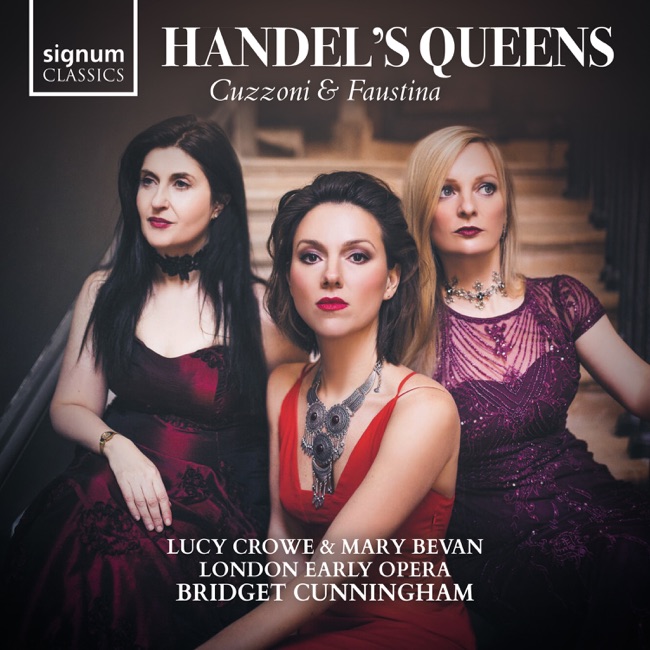 July 19, 2019
 -
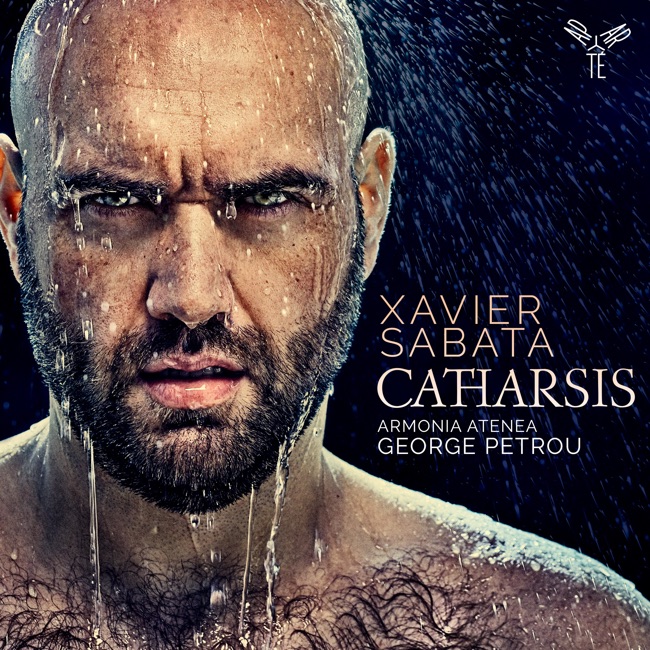 April 21, 2017
 -
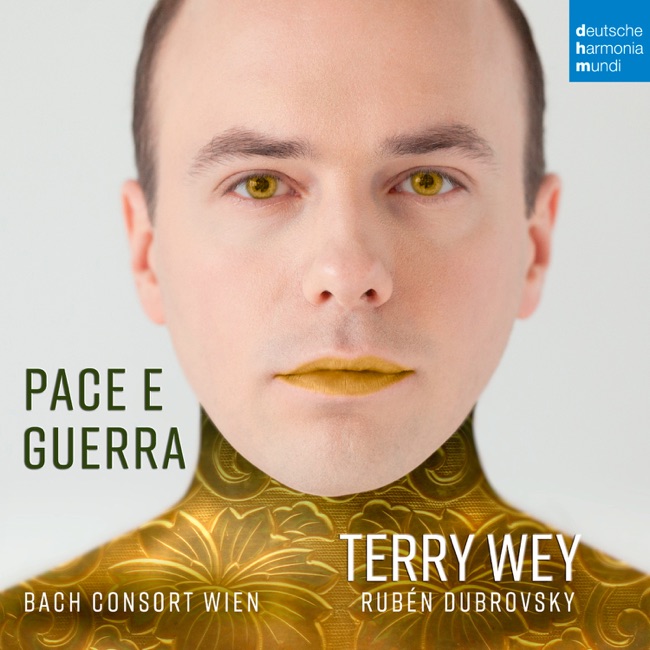 February 24, 2017
 -
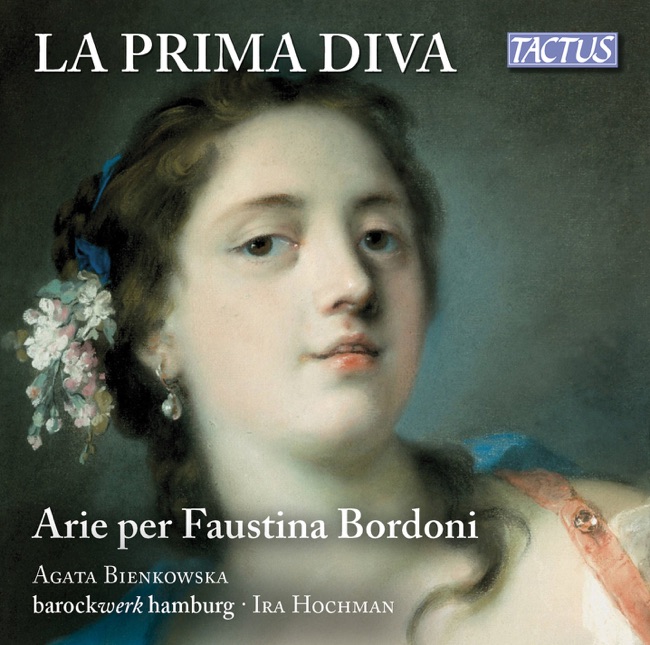 May 27, 2014
 -
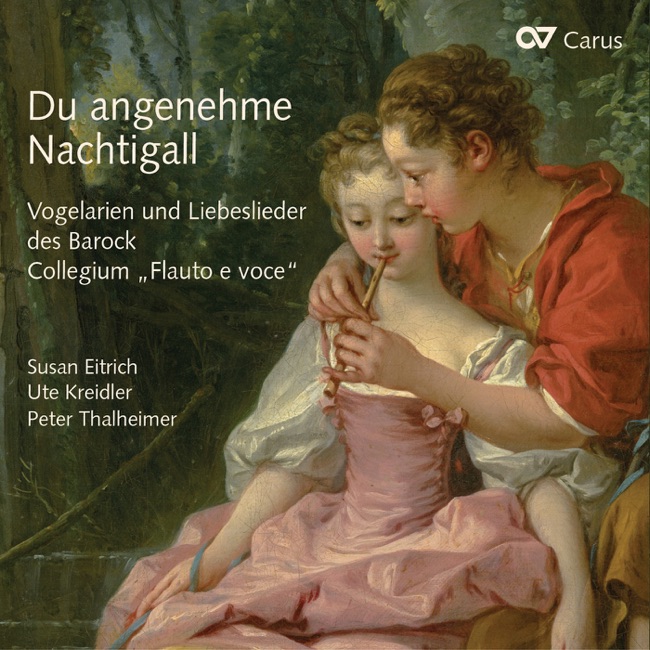 December 12, 2011
Vocal
-
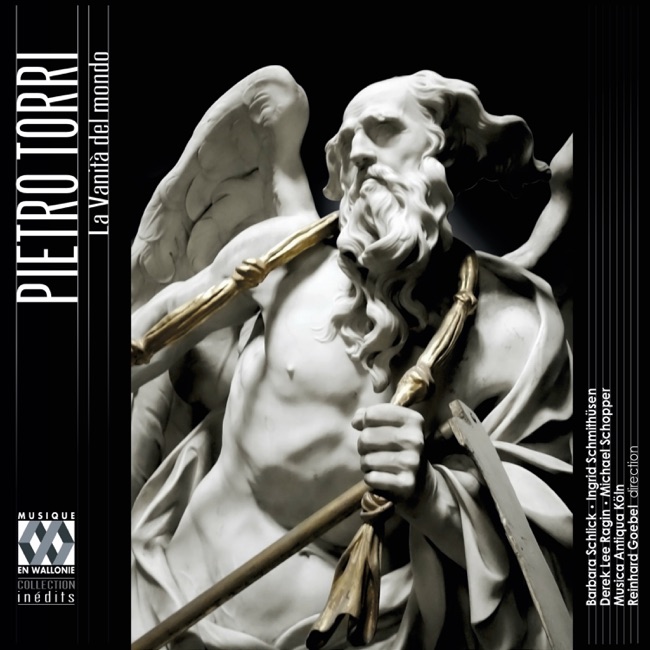 November 16, 2018
 -
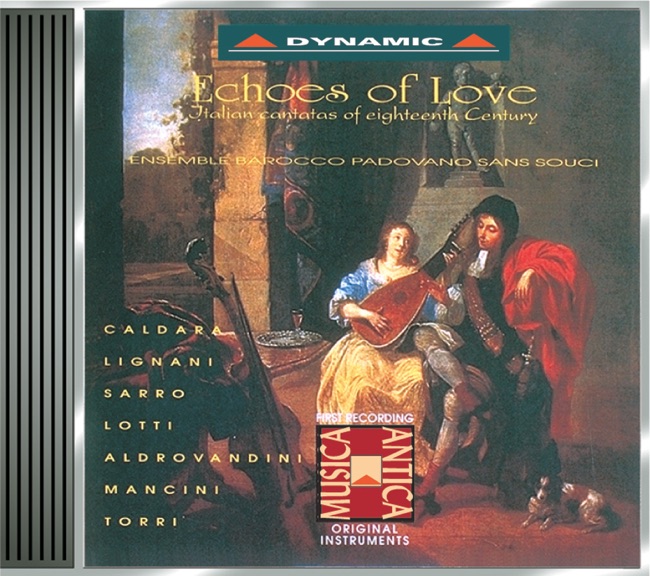 January 17, 2000
 -
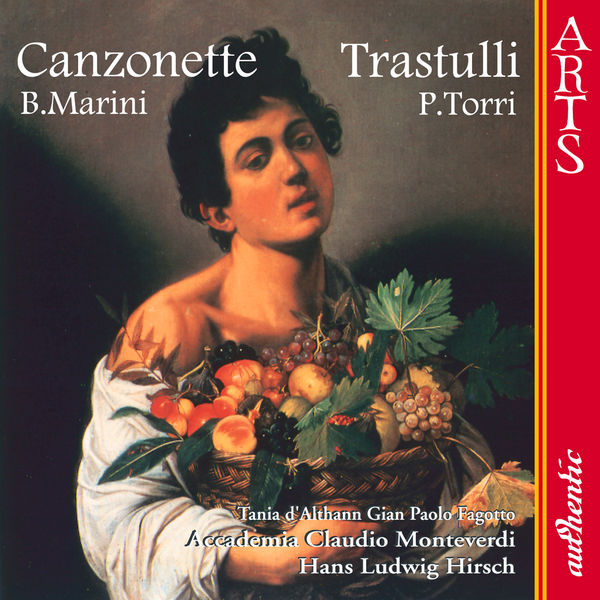 June 23, 1998
Choral
-
 June 14, 2024
 -
 November 13, 2020
 -
 September 25, 2001
Artist Info
Role:ComposerCountry: ItalyBirth:1650Death:July 6, 1737Period:BaroqueGenre:ChoralOrchestralVocalPietro Torri was an Italian composer of the Baroque era, born on December 13, 1650, in Faenza, Italy. He was the son of a musician, and his father recognized his son's musical talent at an early age. Torri received his early musical education from his father and later studied under the tutelage of Giovanni Legrenzi, a prominent composer of the time. Torri's musical career began in Venice, where he worked as a singer and composer for various churches and noble families. In 1676, he was appointed as the maestro di cappella at the Basilica of San Marco in Venice, one of the most prestigious musical positions in Italy. He held this position for over 30 years, during which time he composed numerous works for the church, including masses, motets, and psalms. Torri's music was highly regarded during his lifetime, and he was considered one of the leading composers of his time. His works were characterized by their melodic beauty, harmonic richness, and expressive power. He was particularly skilled at writing for the human voice, and his vocal music was renowned for its clarity and elegance. One of Torri's most famous works is his setting of the Stabat Mater, a hymn that describes the suffering of Mary, the mother of Jesus, at the foot of the cross. Torri's version of the Stabat Mater is notable for its emotional intensity and its use of chromatic harmonies to convey the pain and sorrow of the text. Another notable work by Torri is his setting of the Dixit Dominus, a psalm that praises God's power and majesty. Torri's version of the Dixit Dominus is characterized by its grandeur and its use of antiphonal choirs to create a sense of awe and reverence. In addition to his sacred music, Torri also composed a number of secular works, including operas and cantatas. His opera, La Rosaura, was first performed in Venice in 1690 and was well-received by audiences and critics alike. The opera is notable for its lively and engaging music, as well as its witty libretto. Despite his success as a composer, Torri's personal life was marked by tragedy. He lost his wife and two of his children to the plague in 1631, and he himself was afflicted with the disease but managed to survive. He also suffered from financial difficulties throughout his life, and he was forced to sell some of his musical manuscripts to make ends meet. Despite these challenges, Torri continued to compose music until his death on January 22, 1737, in Venice. His legacy as a composer lives on through his numerous works, which continue to be performed and admired by musicians and audiences around the world.More....
Recent Artist Music
Copyright Ⓒ 2013 Davinci Finger. All rights reseved
Service Terms & Policy