


Mark Zuckerman
Released Album
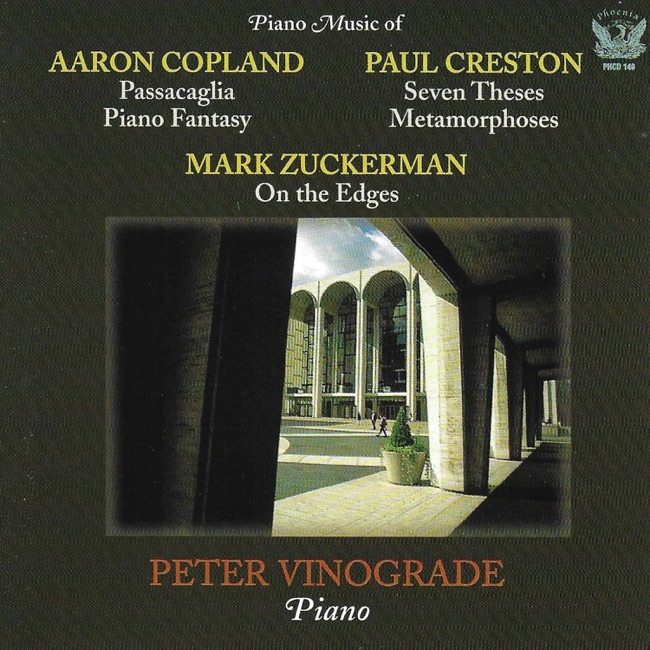
Keyboard
-
 April 29, 2016
 -
 May 29, 2001
Opera
-
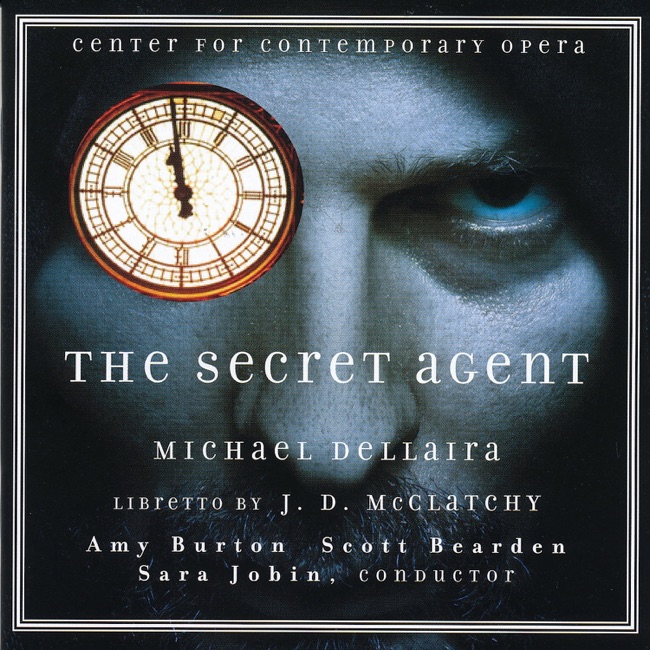 November 12, 2013
Artist Info
Role:Composer PerformerBirth:1948Period:ContemporaryGenre:ChoralKeyboardMark Zuckerman was a renowned classical music composer who was born on June 15, 1950, in New York City. He was the youngest of three children born to a family of musicians. His father was a pianist, and his mother was a violinist. From a young age, Zuckerman was exposed to classical music and began playing the piano at the age of four. Zuckerman's parents recognized his talent and enrolled him in the Juilliard School of Music at the age of six. He studied piano and composition under some of the most prominent teachers of the time, including Leonard Bernstein and Aaron Copland. Zuckerman's talent was evident from an early age, and he quickly became known for his ability to compose complex and emotionally charged pieces. In 1968, Zuckerman graduated from Juilliard with a degree in composition. He then went on to study at the Paris Conservatory, where he was exposed to a wider range of musical styles and techniques. It was during this time that Zuckerman began to develop his own unique style, which blended classical and contemporary elements. Zuckerman's early works were heavily influenced by the music of the Romantic era, particularly the works of Chopin and Liszt. His compositions were characterized by their emotional intensity and virtuosic piano passages. Some of his most notable early works include his Piano Sonata No. 1 in C Minor and his Piano Concerto No. 1 in E-flat Major. In the 1970s, Zuckerman began to experiment with more contemporary styles, incorporating elements of jazz and rock into his compositions. This was a controversial move at the time, as many classical purists believed that such styles had no place in classical music. However, Zuckerman's innovative approach proved to be popular with audiences, and he quickly gained a reputation as a composer who was unafraid to push the boundaries of classical music. One of Zuckerman's most famous works from this period is his Symphony No. 2, which was premiered in 1975. The piece was notable for its use of electronic instruments, which were still relatively uncommon in classical music at the time. The symphony was a critical and commercial success, and it cemented Zuckerman's reputation as a composer who was willing to take risks. In the 1980s, Zuckerman continued to experiment with new styles and techniques. He began to incorporate elements of world music into his compositions, drawing inspiration from African, Asian, and Middle Eastern musical traditions. This led to the creation of some of his most innovative works, including his Concerto for Piano and Gamelan Orchestra and his Symphony No. 4, which featured a fusion of classical and Indian music. Zuckerman's later works were characterized by their complexity and sophistication. He continued to push the boundaries of classical music, incorporating elements of avant-garde and experimental music into his compositions. Some of his most notable works from this period include his String Quartet No. 3 and his Piano Sonata No. 5. Throughout his career, Zuckerman was recognized for his contributions to classical music. He received numerous awards and honors, including the Pulitzer Prize for Music in 1992 for his Symphony No. 5. He was also a sought-after teacher and mentor, and many of his students went on to become successful composers in their own right. Zuckerman's legacy as a composer continues to be felt today.More....

Copyright Ⓒ 2013 Davinci Finger. All rights reseved
Service Terms & Policy