


Harold Schiffmann
Released Album
Concerto
-
 March 4, 2008
 -
 January 22, 2008
 -
 October 26, 2004
 -
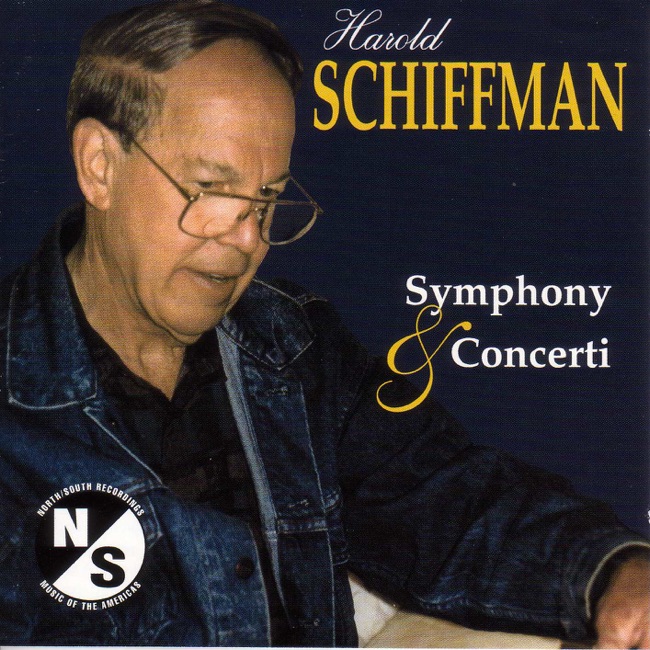 January 25, 2000
Chamber
-
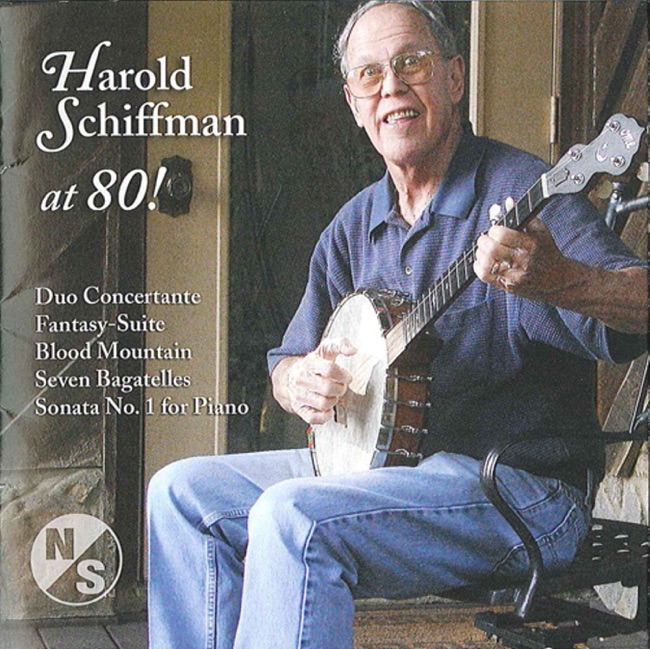 February 23, 2010
 -
 April 26, 2005
 -
 September 16, 1997
 -
Orchestral
-
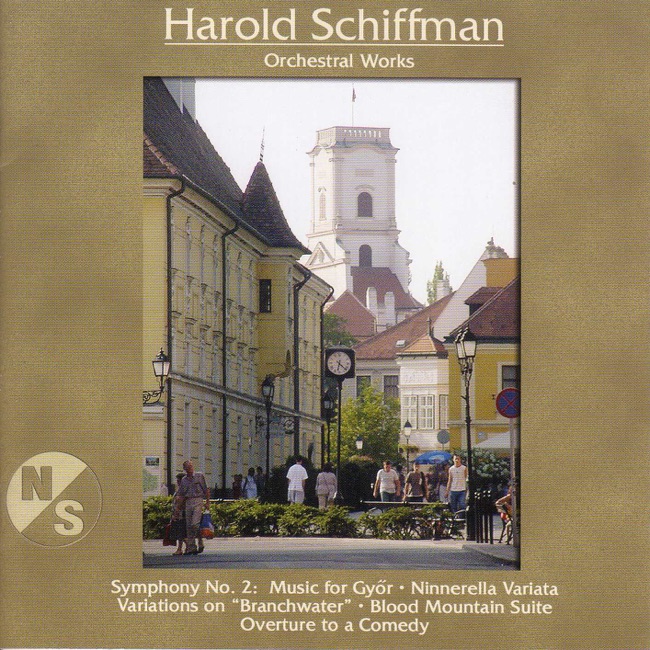 June 30, 2009
Artist Info
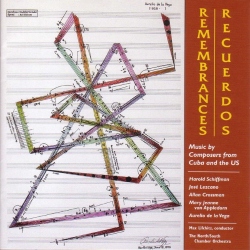
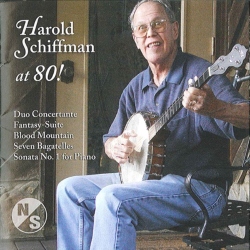
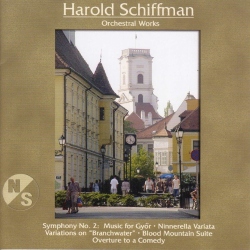
Role:ComposerBirth:March 9, 1928 in Greensboro, NCPeriod:ContemporaryGenre:ChamberConcertoKeyboardHarold Schiffmann was an American composer and music educator who made significant contributions to the world of classical music. Born on December 31, 1928, in New York City, Schiffmann grew up in a family of musicians. His father was a violinist, and his mother was a pianist. Schiffmann began playing the piano at a young age and showed a natural talent for music. Schiffmann attended the Juilliard School of Music in New York City, where he studied composition with Vincent Persichetti and piano with Rosina Lhévinne. He earned his Bachelor of Music degree in 1950 and his Master of Music degree in 1951. After completing his studies, Schiffmann served in the United States Army from 1951 to 1953. Upon his return from military service, Schiffmann began his career as a composer and music educator. He taught at several institutions, including the University of Illinois, the University of Michigan, and the University of Southern California. He also served as the director of the School of Music at the University of Southern California from 1976 to 1982. Schiffmann's compositions are characterized by their use of traditional forms and techniques, combined with modern harmonies and rhythms. He was particularly interested in the use of electronic music and was one of the first composers to experiment with computer-generated music. One of Schiffmann's most famous works is his Symphony No. 2, which was commissioned by the Los Angeles Philharmonic Orchestra in 1965. The symphony is a four-movement work that features a large orchestra and a chorus. It is a complex and challenging piece that showcases Schiffmann's mastery of orchestration and his ability to create powerful and emotional music. Another notable work by Schiffmann is his Concerto for Piano and Orchestra, which was premiered by the Los Angeles Philharmonic Orchestra in 1970. The concerto is a virtuosic showcase for the solo piano, with fast and intricate passages that require great technical skill. The piece also features lush orchestration and a wide range of emotions, from tender and lyrical to intense and dramatic. In addition to his orchestral works, Schiffmann also composed chamber music, vocal music, and electronic music. His String Quartet No. 2, which was premiered in 1960, is a haunting and atmospheric work that showcases his skill at creating complex textures and harmonies with just four instruments. His electronic music works, such as "Computer Suite" and "Electronic Study No. 1," were groundbreaking in their use of computer-generated sounds and rhythms. Throughout his career, Schiffmann received numerous awards and honors for his contributions to music. He was a Guggenheim Fellow in 1962 and a Fulbright Scholar in 1964. He also received the American Academy of Arts and Letters Music Award in 1970 and the ASCAP Deems Taylor Award in 1971. Schiffmann continued to compose and teach until his death on January 23, 1986, at the age of 57. His legacy lives on through his music, which continues to be performed and studied by musicians and music lovers around the world.More....
Recent Artist Music
2
2:32
3
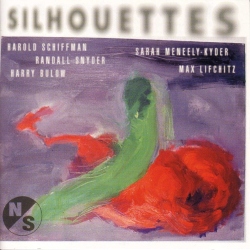
Sextet concertato for oboe, french horn, bassoon, violin, cello & piano
Allegro moderato, con energia
3:29
5

4:29
Copyright Ⓒ 2013 Davinci Finger. All rights reseved
Service Terms & Policy