


Rezsö Sugár
Released Album
Vocal
-
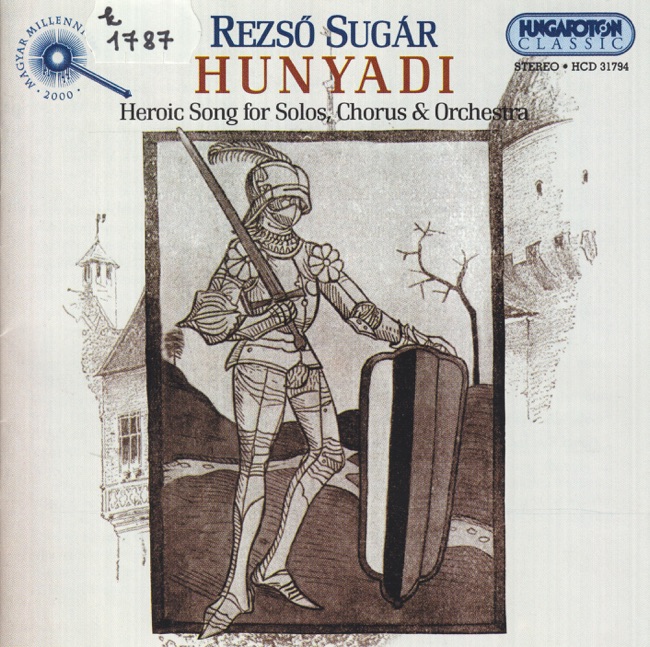 February 27, 2001
Concerto
-
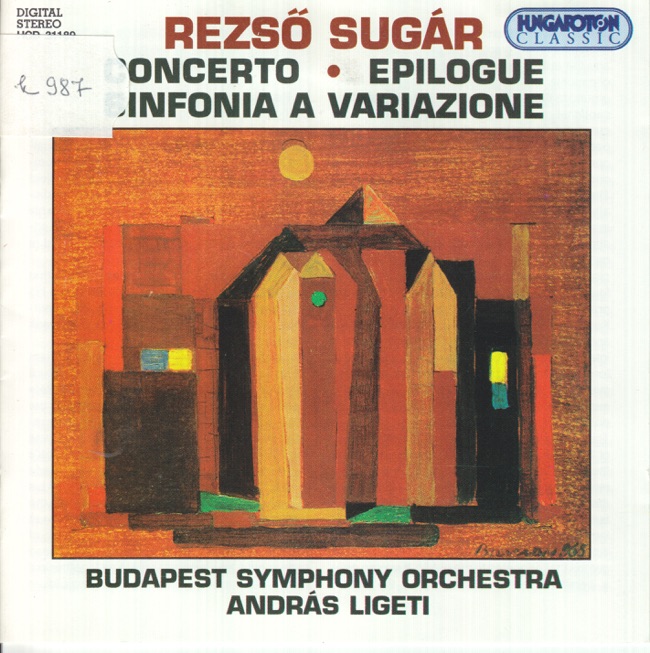 October 8, 2003
Artist Info
Role:ComposerBirth:October 9, 1919Genre:ChamberConcertoSymphonyVocalRezsö Sugár was a Hungarian composer who lived from 1905 to 1974. He was born in Budapest, Hungary, and showed an early interest in music. His parents recognized his talent and encouraged him to pursue his passion for music. Sugár began his musical education at the Franz Liszt Academy of Music in Budapest, where he studied composition with Zoltán Kodály and piano with Béla Bartók. Sugár's early compositions were influenced by the folk music of Hungary, which he had been exposed to since childhood. He was particularly interested in the rhythms and melodies of Hungarian folk music, and he incorporated these elements into his compositions. Sugár's early works were well received, and he quickly gained a reputation as a promising young composer. In the 1930s, Sugár began to experiment with new musical forms and techniques. He was particularly interested in the use of electronic instruments, and he began to incorporate these instruments into his compositions. Sugár's use of electronic instruments was groundbreaking, and he quickly became known as a pioneer in the field of electronic music. During World War II, Sugár was forced to flee Hungary due to the Nazi occupation. He spent several years in exile in Switzerland, where he continued to compose music. Sugár's exile had a profound impact on his music, and he began to incorporate elements of Swiss folk music into his compositions. After the war, Sugár returned to Hungary and resumed his career as a composer. He continued to experiment with new musical forms and techniques, and he became known for his innovative use of electronic instruments. Sugár's compositions were often complex and challenging, and they required a high level of technical skill to perform. Sugár's most famous work is his Symphony No. 1, which he composed in 1952. The symphony is a complex and challenging work that incorporates elements of Hungarian folk music and electronic music. The symphony was well received by critics and audiences alike, and it established Sugár as one of the leading composers of his generation. In addition to his work as a composer, Sugár was also a respected music educator. He taught at the Franz Liszt Academy of Music in Budapest, where he had studied as a young man. Sugár's teaching was highly regarded, and he had a profound influence on several generations of Hungarian musicians. Sugár continued to compose music until his death in 1974. His legacy as a composer and educator continues to be felt in Hungary and around the world. Sugár's innovative use of electronic instruments and his incorporation of folk music into his compositions have had a lasting impact on the field of classical music.More....
Copyright Ⓒ 2013 Davinci Finger. All rights reseved
Service Terms & Policy