


Feim Ibrahimi
Released Album
Keyboard
-
 October 5, 2018
 -
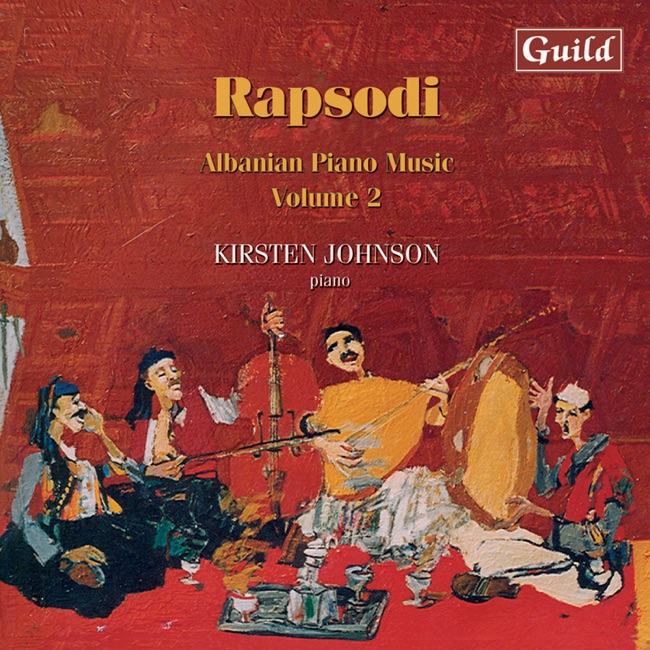 March 1, 2006
 -
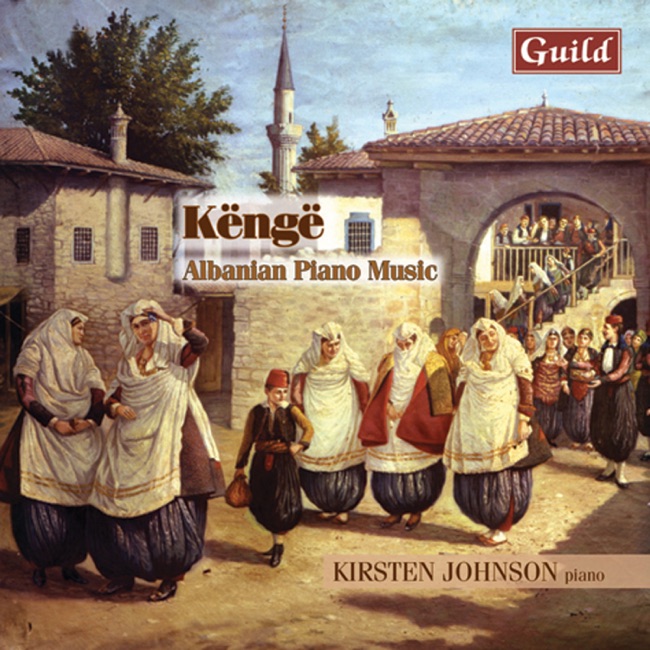 March 10, 2003
Artist Info
Role:ComposerBirth:1935Death:1997Genre:KeyboardFeim Ibrahimi was a prominent Albanian composer of classical music, born on January 1, 1935, in the city of Shkodra, Albania. He was the son of a well-known musician, and his father's influence played a significant role in his musical development. Ibrahimi's father was a violinist and a composer, and he introduced his son to music at a young age. Ibrahimi's father was his first teacher, and he taught him how to play the violin and the piano. Ibrahimi's musical talent was evident from a young age, and he began composing music when he was just 14 years old. He studied music at the National Conservatory of Tirana, where he was taught by some of the most prominent Albanian composers of the time. Ibrahimi's talent was recognized early on, and he was awarded several prizes for his compositions while he was still a student. After completing his studies at the National Conservatory of Tirana, Ibrahimi continued his education in Moscow, where he studied composition at the Tchaikovsky Conservatory. He was taught by some of the most renowned composers of the time, including Dmitri Shostakovich and Aram Khachaturian. Ibrahimi's time in Moscow was a formative period in his musical development, and he was heavily influenced by the Russian school of composition. Ibrahimi returned to Albania in 1960, where he began working as a composer and a music teacher. He quickly established himself as one of the leading composers of his generation, and his music was performed by some of the most prominent orchestras in Albania and beyond. Ibrahimi's music was characterized by its lyricism, its use of traditional Albanian melodies, and its incorporation of elements of the Russian school of composition. One of Ibrahimi's most significant works is his Symphony No. 1, which he composed in 1963. The symphony is a powerful and emotional work that reflects Ibrahimi's deep love for his country and its people. The symphony is divided into four movements, each of which is characterized by its own unique mood and atmosphere. The first movement is a lively and energetic piece that reflects the joy and optimism of the Albanian people. The second movement is a slow and mournful piece that reflects the pain and suffering that the Albanian people have endured throughout their history. The third movement is a lively and playful piece that reflects the resilience and spirit of the Albanian people. The final movement is a triumphant and celebratory piece that reflects the hope and optimism of the Albanian people for the future. Another significant work by Ibrahimi is his Concerto for Violin and Orchestra, which he composed in 1972. The concerto is a virtuosic and challenging work that showcases Ibrahimi's skill as a composer and his deep understanding of the violin. The concerto is divided into three movements, each of which is characterized by its own unique mood and atmosphere. The first movement is a lively and energetic piece that showcases the technical skill of the violinist. The second movement is a slow and lyrical piece that showcases the emotional depth of the violin. The final movement is a fast and exciting piece that showcases the virtuosity of the violinist and the orchestra. Ibrahimi's music was not only popular in Albania but was also performed and recognized internationally. His works were performed in several countries, including the former Soviet Union, Italy, France, and the United States.More....
Recent Artist Music


Copyright Ⓒ 2013 Davinci Finger. All rights reseved
Service Terms & Policy