


Louis Durey
Released Album
Keyboard
-
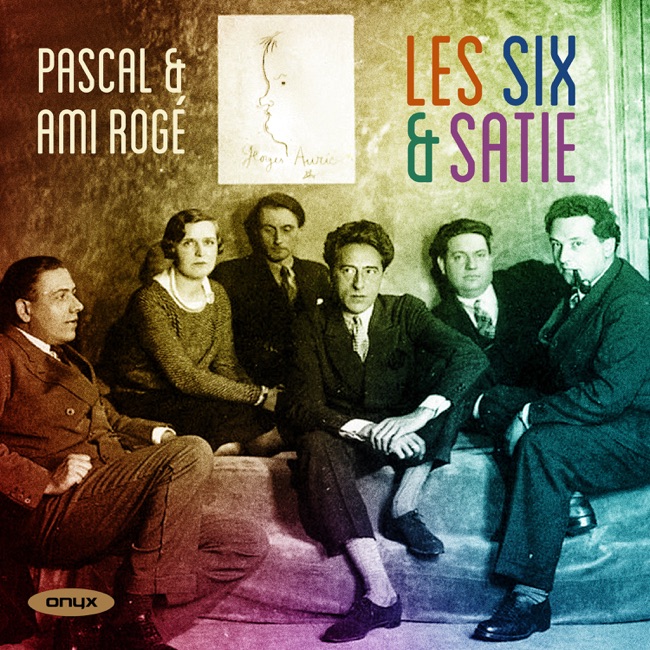 March 20, 2020
 -
 June 28, 2019
 -
 October 14, 2016
 -
 September 25, 2015
Vocal
-
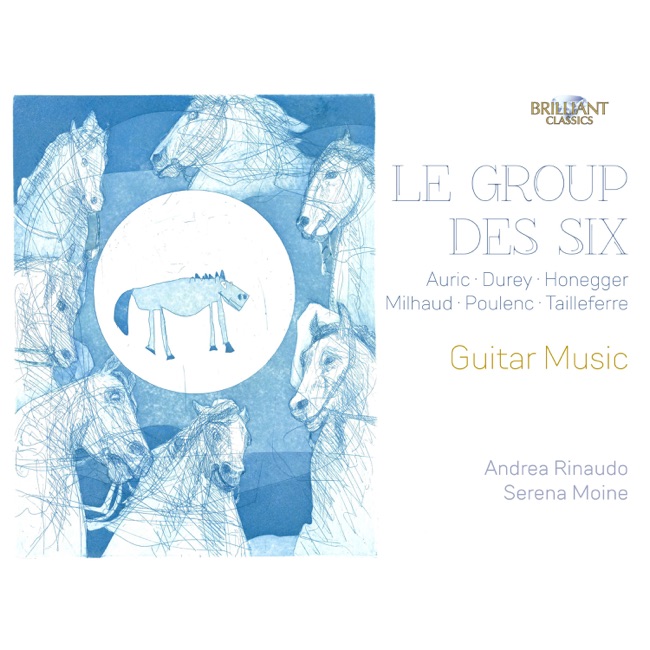 June 3, 2022
 -
 October 1, 2021
 -
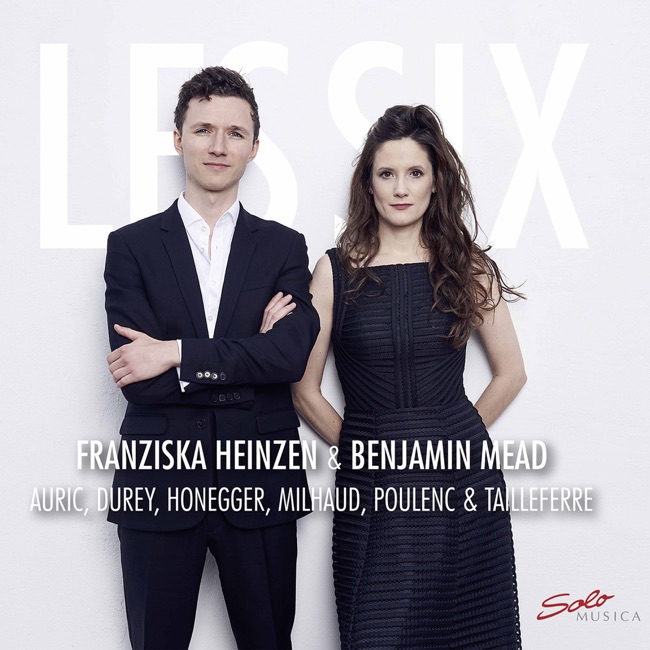 February 12, 2021
 -
 October 23, 2020
 -
 May 26, 2017
 -
 September 1, 2012
Chamber
-
 May 14, 2019
 -
 January 5, 2016
 -
 March 26, 2012
 -
 February 24, 2004
 -
Artist Info
Role:ComposerCountry: FranceBirth:May 27, 1888 in Paris, FranceDeath:July 3, 1979 in St. Tropez, FrancePeriod:ModernGenre:ChamberKeyboardVocalLouis Durey was a French composer who was born on May 27, 1888, in Paris, France. He was the son of a piano tuner and grew up in a musical family. Durey began his musical education at a young age, studying piano and harmony with his father. He later studied composition with Charles Koechlin and Vincent d'Indy at the Schola Cantorum de Paris. Durey was one of the founding members of the group of composers known as Les Six, which also included Georges Auric, Arthur Honegger, Darius Milhaud, Francis Poulenc, and Germaine Tailleferre. The group was formed in 1920 and was known for their rejection of the romanticism of the past and their embrace of modernism and neoclassicism. Durey's early works were heavily influenced by the music of Erik Satie, whom he met in 1910. Satie's influence can be heard in Durey's early works, which are characterized by their simplicity and clarity of form. Durey's music also shows the influence of Stravinsky, particularly in his use of rhythm and his interest in folk music. One of Durey's most famous works is his ballet score, La Guerre, which was written in 1917. The ballet tells the story of a soldier who is sent to fight in World War I and his experiences on the battlefield. The music is characterized by its use of dissonance and its depiction of the chaos and violence of war. Durey's other notable works include his Symphony No. 1, which was written in 1921 and is characterized by its use of polytonality and its incorporation of folk melodies. He also wrote a number of chamber works, including his String Quartet No. 1, which was written in 1920 and is characterized by its use of dissonance and its exploration of unconventional tonal relationships. In addition to his work as a composer, Durey was also a political activist. He was a member of the French Communist Party and was involved in the anti-fascist movement in the 1930s. He also wrote music for a number of political plays and films. Durey's music fell out of favor in the years following World War II, as the musical world shifted towards serialism and other forms of modernism. However, in recent years, there has been a renewed interest in his music, particularly among scholars and performers interested in the music of Les Six. Durey died on July 3, 1979, in Saint-Tropez, France. His legacy as a composer and political activist continues to be celebrated by those who appreciate his unique contributions to the world of classical music.More....
Recent Artist Music
2
3:27

Copyright Ⓒ 2013 Davinci Finger. All rights reseved
Service Terms & Policy