


Jean Cartan
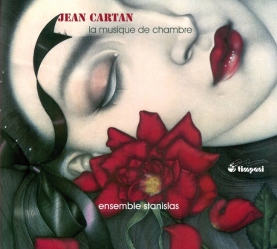
Released Album
Chamber
-
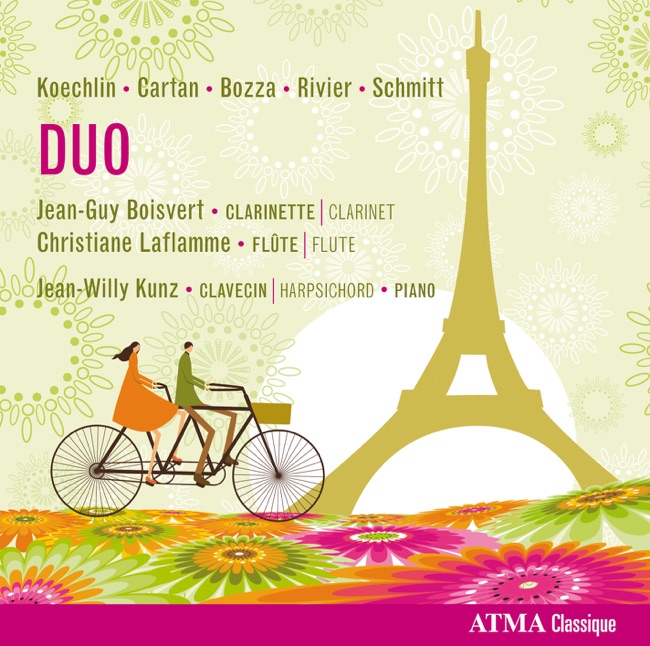 May, 2013
 -
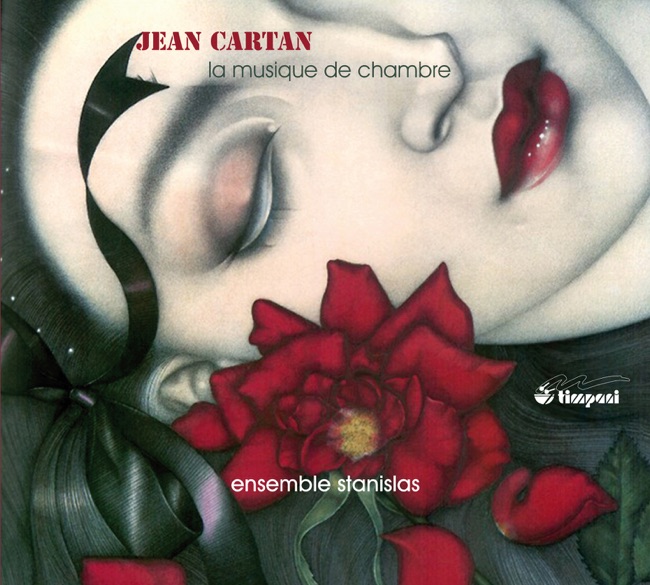 September 22, 2011
 -
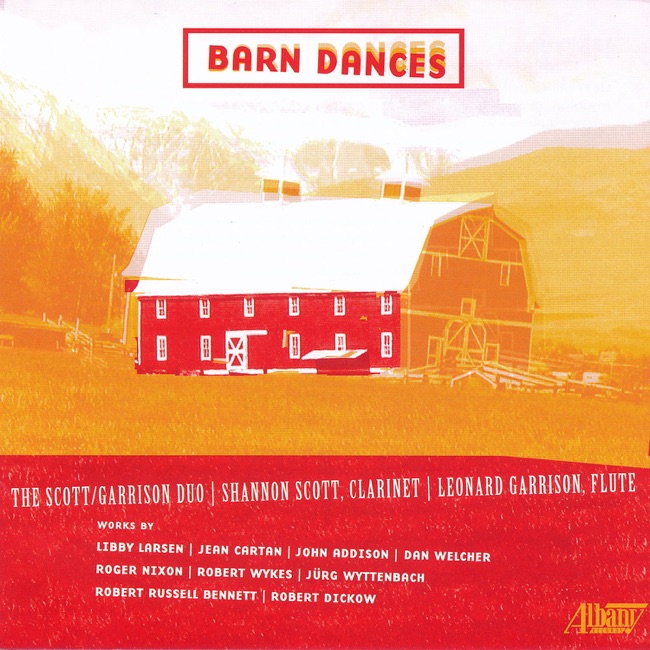 December 14, 2010
Artist Info
Role:ComposerBirth:1906Death:1932Jean Cartan was a French composer who was born on June 27, 1906, in Paris, France. He was the son of a music teacher and grew up in a musical family. His father, Henri Cartan, was a renowned mathematician, and his mother, Louise Cartan, was a pianist. Jean Cartan showed an early interest in music and began studying the piano at a young age. Cartan's musical education began at the Paris Conservatory, where he studied composition with Paul Dukas and piano with Isidor Philipp. He also studied with Nadia Boulanger, who was a prominent music teacher at the time. Boulanger was known for her rigorous teaching methods and for her ability to identify and nurture young talent. Cartan was one of her most promising students, and she recognized his talent for composition early on. Cartan's early works were influenced by the French Impressionist composers, such as Debussy and Ravel. His music was characterized by its delicate melodies, subtle harmonies, and intricate textures. He was also influenced by the music of Stravinsky and Bartok, and his later works showed a more modernist style. Cartan's first major success came in 1932, when his Piano Concerto was premiered in Paris. The concerto was well-received by critics and established Cartan as a promising young composer. He continued to compose throughout the 1930s, and his works were performed by some of the leading orchestras and conductors of the time. In 1940, Cartan was drafted into the French army and served in World War II. He was captured by the Germans and spent several years in a prisoner-of-war camp. During this time, he continued to compose music, using whatever materials he could find. His music from this period was characterized by its simplicity and directness, reflecting the difficult circumstances under which it was created. After the war, Cartan returned to Paris and resumed his career as a composer. He continued to write music in a variety of genres, including orchestral works, chamber music, and vocal music. His music was often inspired by nature, and he was particularly interested in the sounds of birds and other animals. One of Cartan's most famous works is his Symphony No. 1, which was premiered in 1951. The symphony is a large-scale work that showcases Cartan's skill as an orchestrator. It is characterized by its lush harmonies, sweeping melodies, and dramatic contrasts. The symphony was well-received by critics and established Cartan as one of the leading composers of his generation. Cartan continued to compose throughout the 1950s and 1960s, and his music became increasingly experimental. He was interested in exploring new sounds and textures, and his later works often featured unconventional instruments and extended techniques. He also experimented with electronic music, using tape recorders and other electronic devices to create new sounds. One of Cartan's most innovative works is his String Quartet No. 3, which was premiered in 1963. The quartet is a highly experimental work that features a variety of extended techniques, such as playing behind the bridge and using mutes. It also includes electronic sounds, which were created by recording the quartet and then manipulating the recordings. Cartan's music was highly regarded by his contemporaries, and he received numerous awards and honors throughout his career. He was a member of the Académie des Beaux-Arts and was awarded the Legion of Honor in 1966. He also received the Grand Prix National de la Musique in 1975.More....

Copyright Ⓒ 2013 Davinci Finger. All rights reseved
Service Terms & Policy