


Jean Lesage
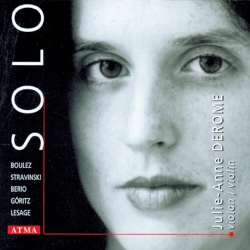
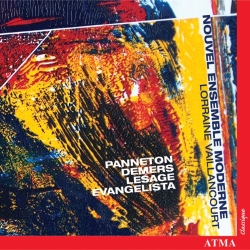
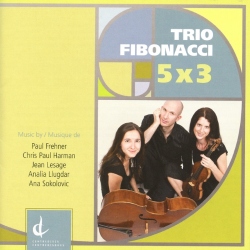
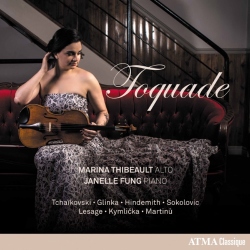
Released Album
Chamber
-
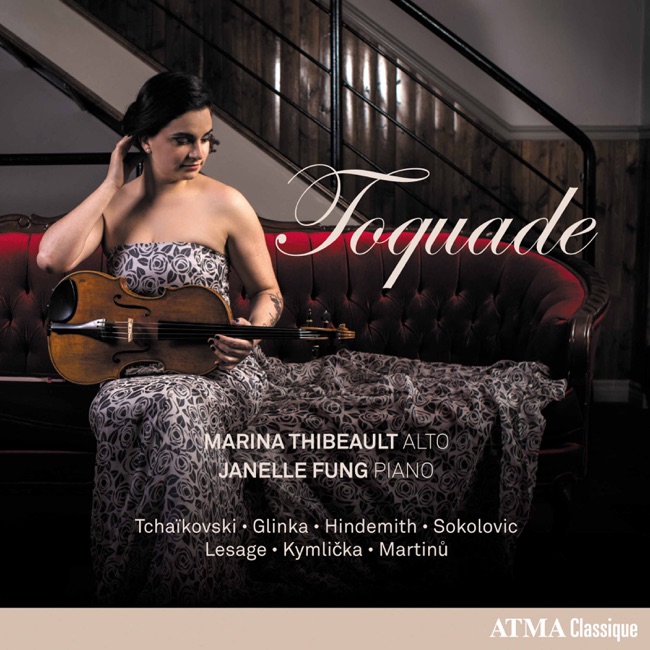 April 7, 2017
 -
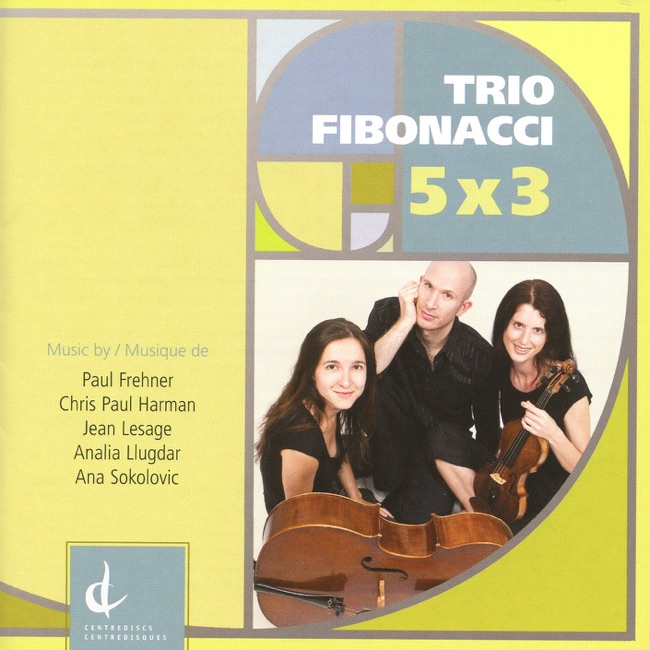 March 30, 2010
 -
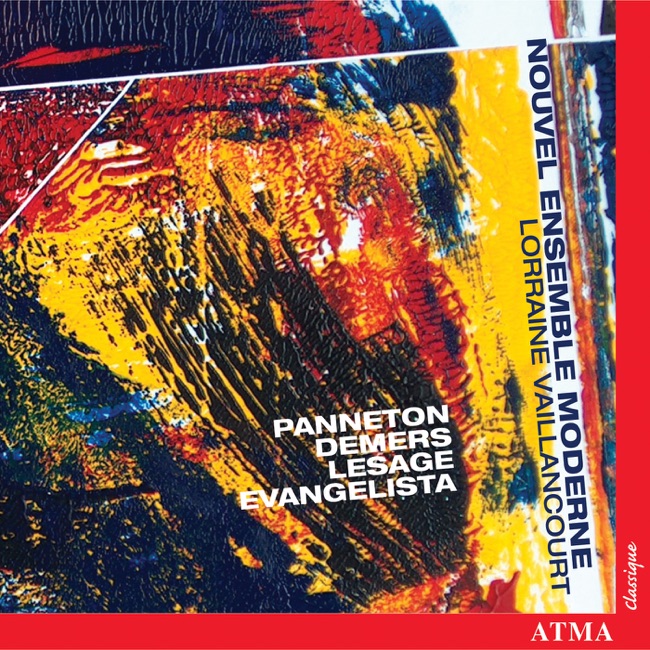 August 10, 2004
 -
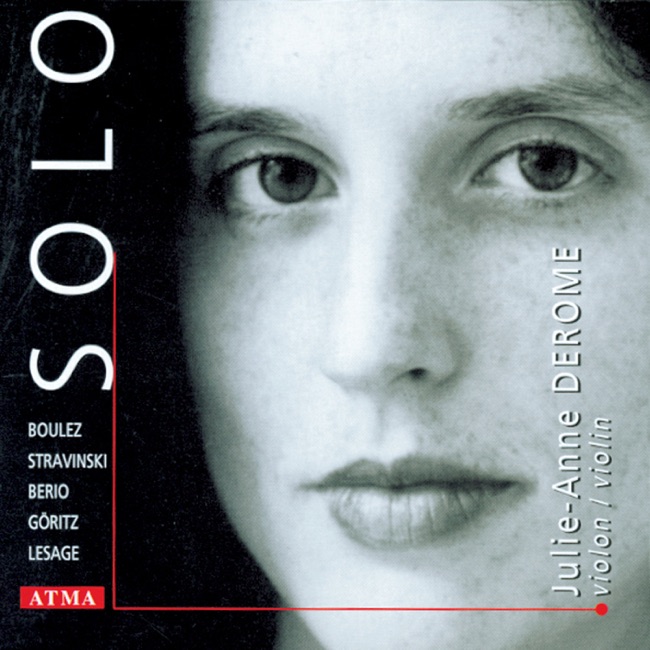 January 1, 2003
Artist Info
Role:ComposerCountry: CanadaBirth:1958 in Montreal, Quebec, CanadaPeriod:BaroqueContemporaryGenre:ChamberJean Lesage was a French classical music composer who lived from 1908 to 2002. He was born in the city of Nantes, France, and grew up in a family of musicians. His father was a violinist and his mother was a pianist, and they both encouraged their son to pursue a career in music. Lesage began his musical education at a young age, studying piano and composition with his mother. He later studied at the Paris Conservatory, where he was a student of Maurice Ravel and Nadia Boulanger. During his time at the conservatory, Lesage developed a deep appreciation for the works of Bach, Mozart, and Beethoven, and he began to incorporate elements of their music into his own compositions. Lesage's early works were heavily influenced by the neoclassical style, which was popular in France during the 1920s and 1930s. His compositions were characterized by their clarity, simplicity, and elegance, and they often featured intricate counterpoint and rhythmic complexity. One of Lesage's most notable early works was his Piano Sonata No. 1, which he composed in 1932. The sonata was praised for its technical virtuosity and its innovative use of harmony and rhythm. It was also notable for its incorporation of jazz elements, which was a relatively new development in classical music at the time. In the years that followed, Lesage continued to develop his style, incorporating elements of serialism and atonality into his compositions. He also began to experiment with electronic music, using tape recorders and synthesizers to create new sounds and textures. One of Lesage's most famous works from this period was his String Quartet No. 2, which he composed in 1954. The quartet was notable for its use of extended techniques, such as col legno and sul ponticello, and its incorporation of electronic sounds. It was also praised for its emotional depth and its exploration of themes such as love, loss, and mortality. In the 1960s and 1970s, Lesage's music became more experimental and avant-garde. He began to incorporate elements of chance and improvisation into his compositions, and he also began to explore the use of non-traditional instruments, such as found objects and prepared pianos. One of Lesage's most famous works from this period was his piece for prepared piano and tape, titled "Le Piano Préparé." The piece was composed in 1961 and was notable for its use of unconventional piano techniques, such as placing objects on the strings to create new sounds. It was also praised for its innovative use of tape recordings, which were used to create a complex and layered sound environment. In the later years of his career, Lesage returned to a more traditional style of composition, incorporating elements of tonality and melody into his works. He also began to focus more on vocal music, composing a number of operas and choral works. One of Lesage's most famous works from this period was his opera "Le Roi David," which he composed in 1985. The opera was based on the biblical story of King David and was notable for its use of choral music and its incorporation of traditional French folk melodies. Throughout his career, Lesage was known for his technical virtuosity, his innovative use of harmony and rhythm, and his willingness to experiment with new sounds and techniques. He was also known for his deep love of music and his dedication to his craft.More....
Recent Artist Music
Copyright Ⓒ 2013 Davinci Finger. All rights reseved
Service Terms & Policy