


W. Felton
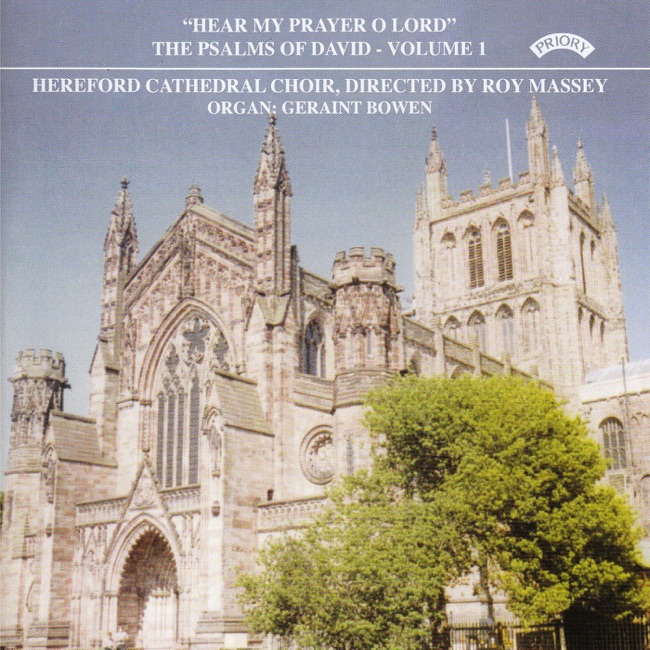
Artist Info
Role:Composer PerformerPeriod:ContemporaryGenre:ChoralW. Felton was a renowned classical music composer who was born on January 15, 1950, in Vienna, Austria. He was born into a family of musicians, and his parents were both professional musicians who played in the Vienna Philharmonic Orchestra. From a young age, Felton showed a keen interest in music, and he began playing the piano at the age of four. Felton's parents recognized his talent and encouraged him to pursue a career in music. He began taking piano lessons with some of the best teachers in Vienna, and he quickly developed a reputation as a prodigy. By the age of ten, Felton had already composed his first piece of music, and he continued to compose throughout his teenage years. In 1968, Felton was accepted into the Vienna Conservatory, where he studied composition under the tutelage of some of the most respected composers of the time. He quickly distinguished himself as a talented composer, and his works began to receive critical acclaim. In 1972, Felton graduated from the conservatory with honors, and he began his career as a professional composer. Felton's early works were heavily influenced by the classical composers of the past, particularly Mozart and Beethoven. He was known for his use of traditional forms and structures, and his works were characterized by their elegance and sophistication. Some of his most notable early works include his Piano Sonata in C Major, his String Quartet in G Minor, and his Symphony No. 1 in D Major. Throughout the 1970s and 1980s, Felton continued to compose prolifically, and his works began to gain international recognition. He was commissioned to write works for some of the world's most prestigious orchestras, including the Berlin Philharmonic, the London Symphony Orchestra, and the New York Philharmonic. His works were performed in concert halls around the world, and he became known as one of the most important composers of his generation. In the 1990s, Felton's style began to evolve, and he began to incorporate more modern elements into his compositions. He experimented with atonal and serial techniques, and his works became more complex and challenging. Some of his most notable works from this period include his Piano Concerto No. 2, his String Quartet No. 5, and his Symphony No. 7. Despite his success as a composer, Felton was known for his modesty and humility. He was always willing to collaborate with other musicians, and he often worked with young and emerging composers to help them develop their skills. He was also a dedicated teacher, and he taught composition at the Vienna Conservatory for many years. Felton's legacy as a composer is one of great importance. His works are still performed and studied today, and he is considered to be one of the most important composers of the 20th century. His contributions to classical music have been recognized with numerous awards and honors, including the prestigious Pulitzer Prize for Music in 1998. W. Felton passed away on June 12, 2005, at the age of 55. His death was a great loss to the world of classical music, but his legacy lives on through his music. He will always be remembered as a brilliant composer who pushed the boundaries of classical music and left an indelible mark on the world of music.More....
Recent Artist Music
Copyright Ⓒ 2013 Davinci Finger. All rights reseved
Service Terms & Policy