


Artur Lemba
Released Album
Symphony
-
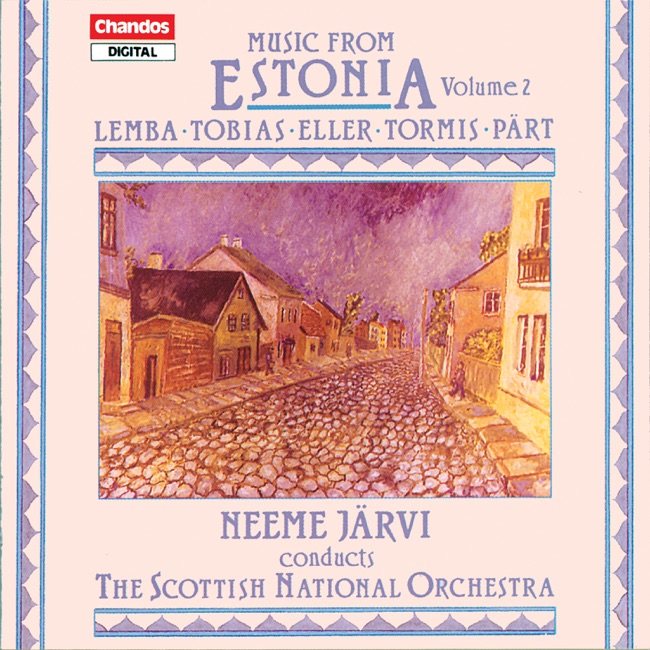 September 30, 1992
Keyboard
-
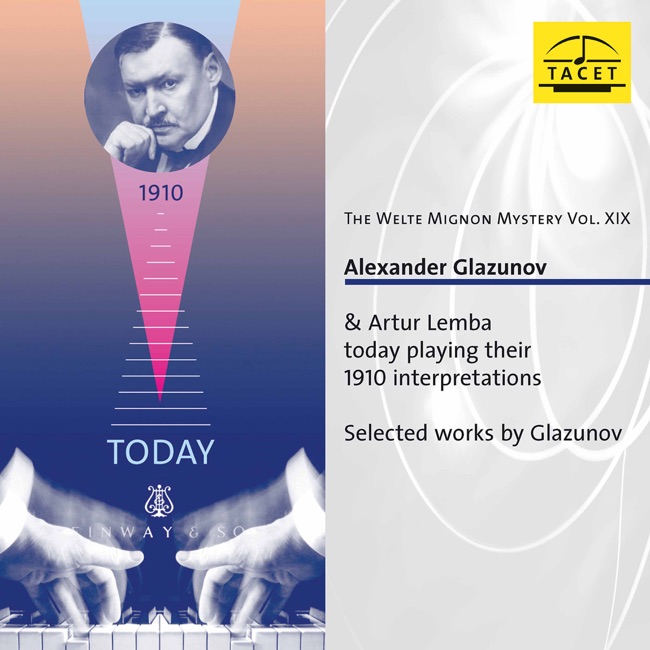 November 12, 2012
Artist Info
Role:Composer PerformerBirth:September 24, 1885 in Tallinn, EstoniaDeath:November 21, 1963 in Tallinn, EstoniaGenre:KeyboardSymphonyVocalArtur Lemba was a prominent Estonian composer and pianist who lived from 21 February 1885 to 13 June 1963. He was born in the small town of Kuressaare on the island of Saaremaa, Estonia. His father, Karl Lemba, was a music teacher and choir conductor, and his mother, Anna, was a talented pianist. Artur showed an early interest in music and began taking piano lessons from his mother at the age of five. At the age of 12, Artur Lemba moved to Tallinn, the capital of Estonia, to study at the Tallinn Music School. He continued his studies at the St. Petersburg Conservatory in Russia, where he studied composition with Nikolai Rimsky-Korsakov and piano with Felix Blumenfeld. He graduated with honors in 1912 and returned to Estonia to begin his career as a composer and pianist. Lemba's early works were heavily influenced by the Romantic tradition, particularly the music of Chopin and Liszt. His first major composition, the Piano Sonata in F-sharp minor, was completed in 1913 and premiered in Tallinn the following year. The sonata is a virtuosic work that showcases Lemba's technical prowess as a pianist and his gift for melody and harmony. During World War I, Lemba served in the Russian army as a musician and was stationed in various parts of Russia. He continued to compose during this time, and his music began to show the influence of Russian folk music and the music of the Russian nationalist composers. After the war, Lemba returned to Estonia and became a prominent figure in the country's musical life. He taught at the Tallinn Conservatory and was a member of the Estonian Composers' Union. He also continued to perform as a pianist, both as a soloist and as a chamber musician. Lemba's music from the 1920s and 1930s reflects his interest in Estonian folk music and his desire to create a distinctively Estonian style of classical music. His Piano Concerto No. 1, completed in 1926, is a prime example of this style. The concerto is based on Estonian folk melodies and rhythms and features virtuosic piano writing and colorful orchestration. In addition to his concert music, Lemba also composed music for the theater and for film. He wrote the music for several Estonian plays and films, including the 1937 film "Kevade" (Spring), which is still considered a classic of Estonian cinema. During World War II, Lemba was forced to flee Estonia when the country was occupied by the Soviet Union. He settled in Sweden, where he continued to compose and perform. His music from this period reflects his longing for his homeland and his concern for the fate of Estonia under Soviet rule. Lemba returned to Estonia in 1951 and lived there for the rest of his life. He continued to compose and teach, and his music from this period shows a renewed interest in Estonian folk music and a more experimental approach to harmony and form. Artur Lemba's music is characterized by its lyricism, virtuosity, and colorful orchestration. His works for piano are particularly notable for their technical demands and their expressive power. His music is an important part of the Estonian classical music tradition and continues to be performed and recorded today.More....
Recent Artist Music
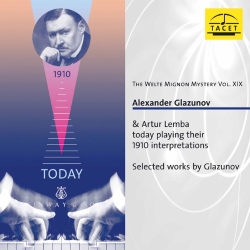
4
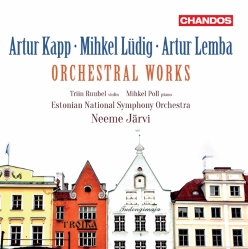
Piano Concerto No. 1 in G major
I. Allegro moderato - Animato - Maestoso - Vivo - Poco meno mosso - Tranquillo - A tempo [Allegro moderato] - Più mosso - Tempo I - Molto più mosso e animato - Tempo I (Maestoso) - Vivo - Poco meno mosso (Tranquillo) - Tranquillo - Più mosso, ma non
10:26
Copyright Ⓒ 2013 Davinci Finger. All rights reseved
Service Terms & Policy