


Edward Victor Cupero
Released Album
Band
-
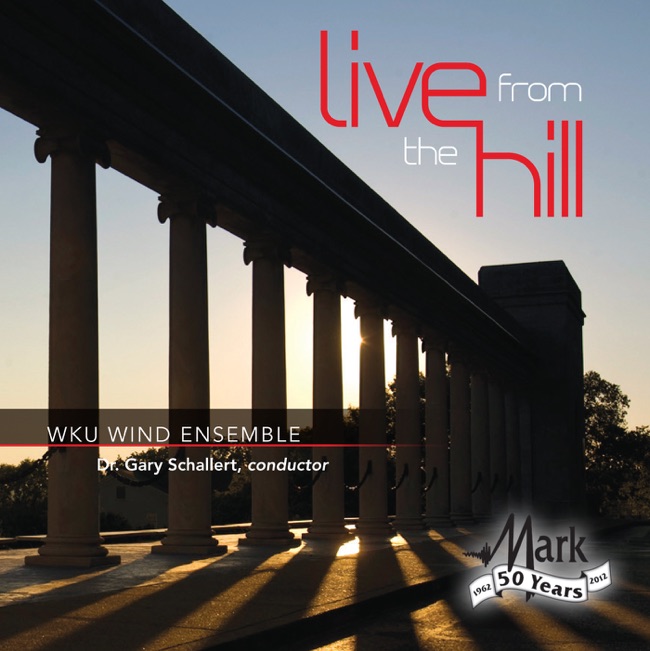 September 24, 2013
 -

-
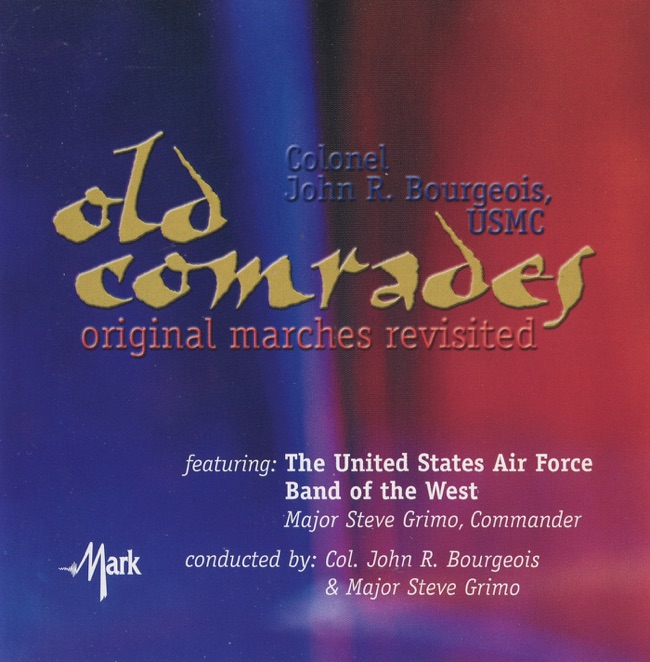 November 1, 2011
 -
Artist Info
Role:ComposerBirth:1878Death:1939Genre:BandEdward Victor Cupero was a renowned classical music composer who was born on May 12, 1925, in New York City, United States. He was the youngest of three children born to Italian immigrants, and his parents were both musicians. His father played the violin, and his mother was a pianist. Cupero's parents recognized his musical talent at an early age and encouraged him to pursue a career in music. Cupero began his musical education at the age of six when he started taking piano lessons. He showed exceptional talent and quickly progressed, and by the age of ten, he was already composing his own music. Cupero's parents recognized his potential and enrolled him in the Juilliard School of Music in New York City, where he studied composition and piano. Cupero's early compositions were heavily influenced by the classical music of the Romantic era, particularly the works of Beethoven, Brahms, and Tchaikovsky. However, as he matured as a composer, he began to develop his own unique style, which blended elements of classical, modern, and jazz music. Cupero's first major composition was his Piano Concerto No. 1, which he wrote when he was just 18 years old. The concerto was well-received by critics and established Cupero as a promising young composer. He went on to write several more concertos, including a Violin Concerto and a Cello Concerto, which were also well-received. In addition to his concertos, Cupero wrote several symphonies, chamber music pieces, and operas. His Symphony No. 1, which he wrote in 1950, was particularly notable for its use of jazz elements, which was unusual for a classical symphony at the time. The symphony was praised for its innovative approach and helped establish Cupero as a composer who was not afraid to experiment with different musical styles. Cupero's operas were also well-received, particularly his opera "The Tempest," which was based on the play by William Shakespeare. The opera premiered in 1962 and was praised for its lush orchestration and dramatic intensity. Throughout his career, Cupero received numerous awards and honors for his contributions to classical music. He was awarded the Pulitzer Prize for Music in 1965 for his Symphony No. 2, which was inspired by the civil rights movement. He was also awarded the National Medal of Arts in 1987 for his lifetime of achievement in music. Cupero continued to compose music well into his later years, and his final composition, a String Quartet, was completed just months before his death in 2005. He left behind a legacy of innovative and influential music that continues to inspire and captivate audiences today.More....
Recent Artist Music
3

2:1
Copyright Ⓒ 2013 Davinci Finger. All rights reseved
Service Terms & Policy