


Julius Chajes
Released Album
Vocal
-
 April 8, 2016
 -
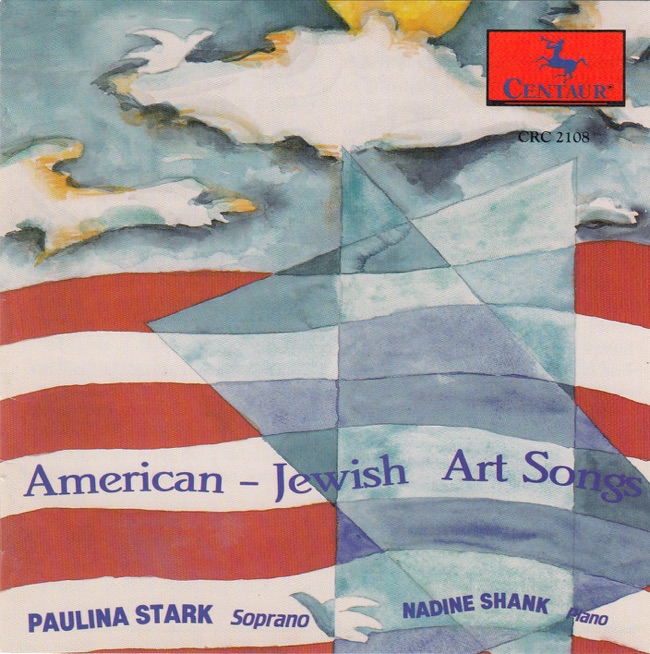 September 1, 1993
Chamber
-
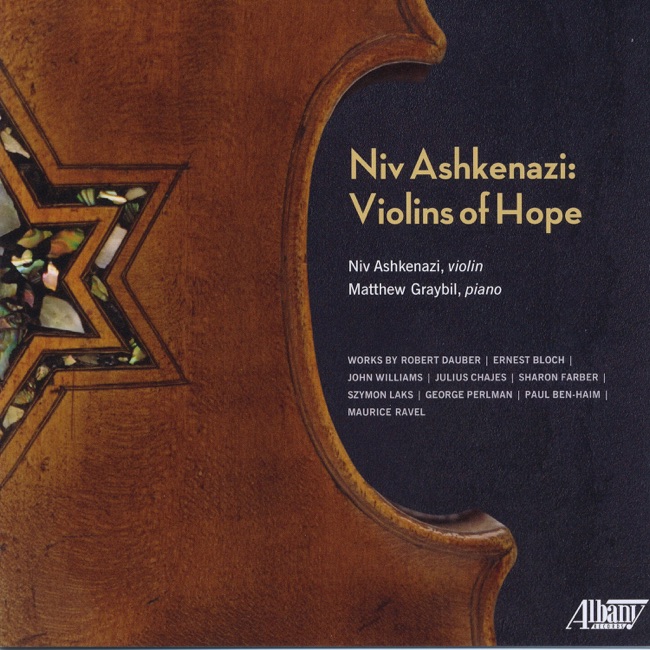 May 15, 2020
 -
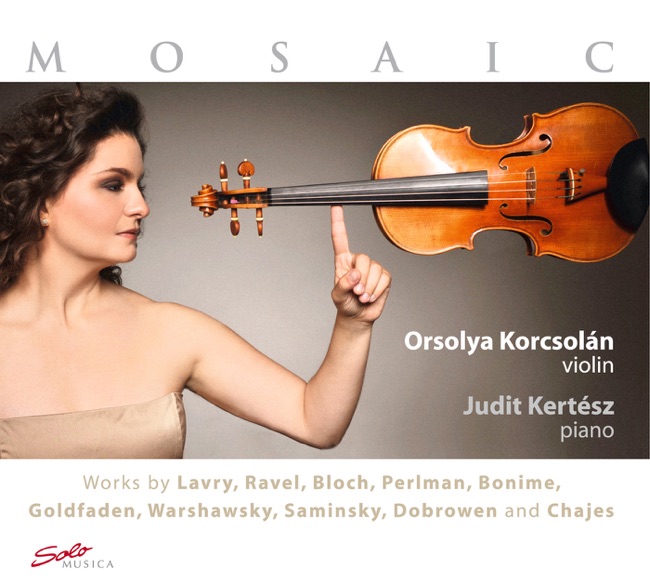 February 1, 2011
 -
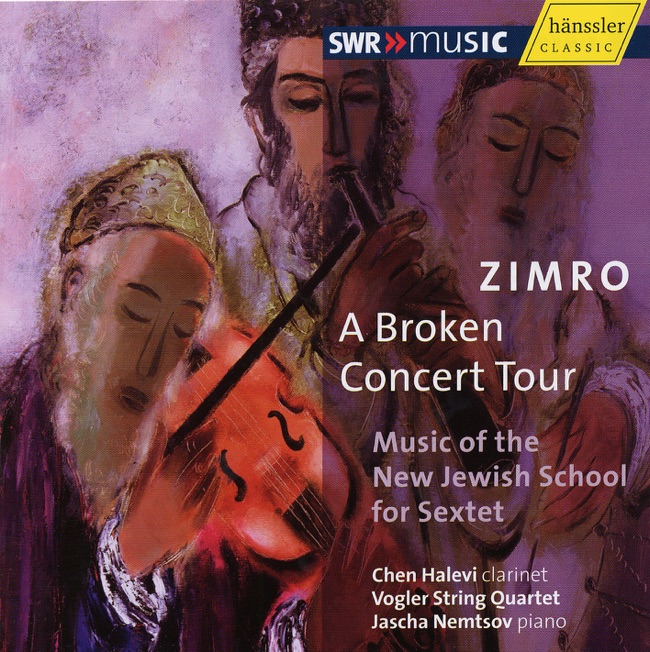 April 11, 2008
 -
 2005
2005
Orchestral
-
 April 18, 2006
Artist Info
Role:ComposerBirth:1910Death:1985Genre:ChamberOrchestralVocalJulius Chajes was a renowned American composer, conductor, and violinist who was born on August 22, 1910, in Milwaukee, Wisconsin. He was the youngest of six children born to Jewish immigrants from Eastern Europe. His father was a tailor, and his mother was a homemaker. Chajes showed an early interest in music and began playing the violin at the age of six. Chajes received his early musical training from his father, who was a self-taught musician. He later studied with the renowned violinist and pedagogue Leopold Auer in Chicago. Chajes also studied composition with the composer and conductor Ernst Toch at the University of Southern California. In 1932, Chajes joined the faculty of the University of Arizona in Tucson, where he taught violin, composition, and music theory. He also founded the Tucson Symphony Orchestra and served as its conductor for many years. Chajes remained at the University of Arizona until 1947 when he moved to New York City to pursue a career as a composer and conductor. Chajes composed music in a variety of genres, including orchestral works, chamber music, choral music, and music for the theater. His music was influenced by a wide range of styles, including Jewish folk music, jazz, and classical music. Chajes was particularly interested in the music of the Baroque period, and he often incorporated Baroque elements into his compositions. One of Chajes' most famous works is his "Hebraic Rhapsody," which was composed in 1944. The piece is a tribute to Jewish music and culture and features elements of Jewish folk music and liturgical music. The "Hebraic Rhapsody" has been performed by many orchestras around the world and is considered one of Chajes' most significant contributions to Jewish music. Another notable work by Chajes is his "Concerto for Viola and Orchestra," which was composed in 1951. The piece was written for the violist William Primrose and features a virtuosic solo part. The concerto has been performed by many of the world's leading violists and is considered one of the most significant works for the viola in the 20th century. Chajes also composed music for the theater, including the musical "The Dybbuk," which was based on a play by S. Ansky. The musical premiered on Broadway in 1951 and was a critical and commercial success. Chajes' music for "The Dybbuk" was praised for its use of Jewish folk music and its ability to capture the mood and atmosphere of the play. In addition to his work as a composer, Chajes was also a respected conductor. He conducted many orchestras throughout his career, including the New York Philharmonic, the Los Angeles Philharmonic, and the Israel Philharmonic. Chajes was particularly interested in promoting the music of Jewish composers and often included works by Jewish composers in his programs. Chajes was also a dedicated teacher and mentor to many young musicians. He taught at the Juilliard School in New York City and was a visiting professor at many universities throughout the United States. Chajes was known for his kindness and generosity and was beloved by his students and colleagues. Julius Chajes died on August 1, 1985, in New York City. He left behind a legacy of music that continues to be performed and celebrated today. Chajes' music is known for its unique blend of Jewish and classical influences and its ability to capture the spirit and essence of Jewish culture.More....
Recent Artist Music
3

4:47


Copyright Ⓒ 2013 Davinci Finger. All rights reseved
Service Terms & Policy