


Eduardo Morales-Caso
Released Album
Chamber
-
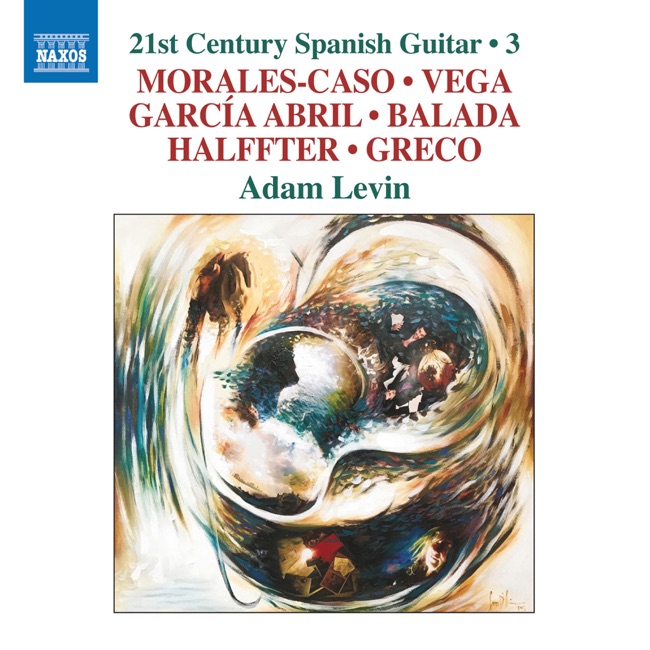 November 10, 2017
 -
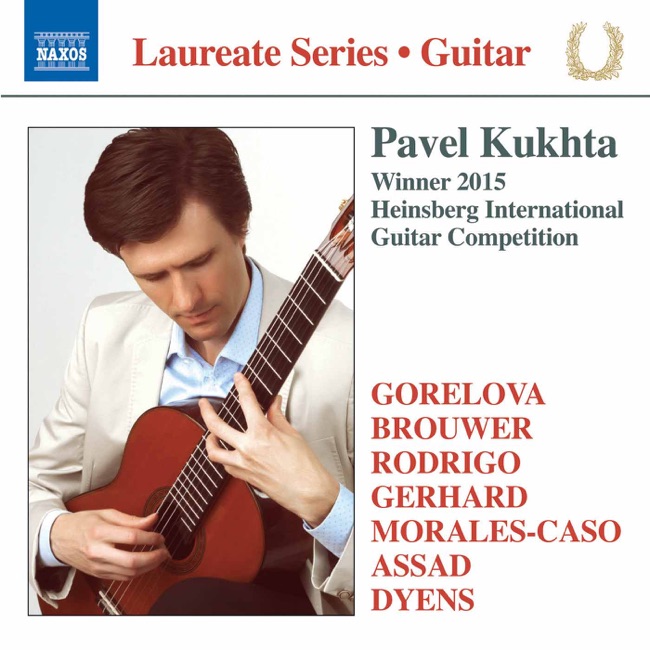 June 10, 2016
 -
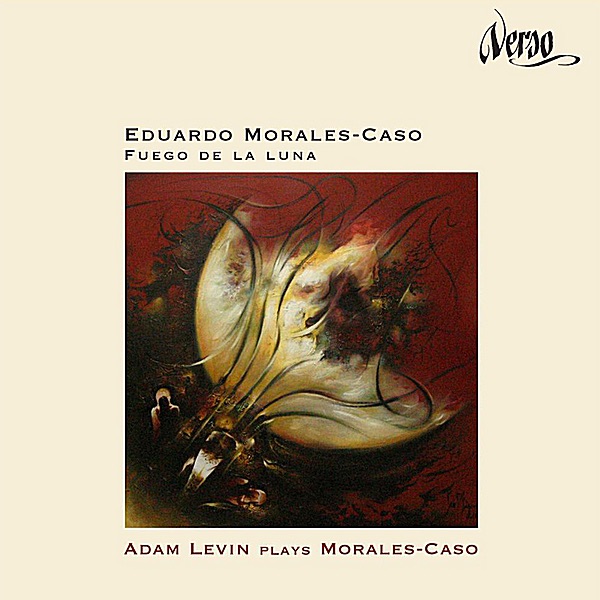 June 25, 2013
 -
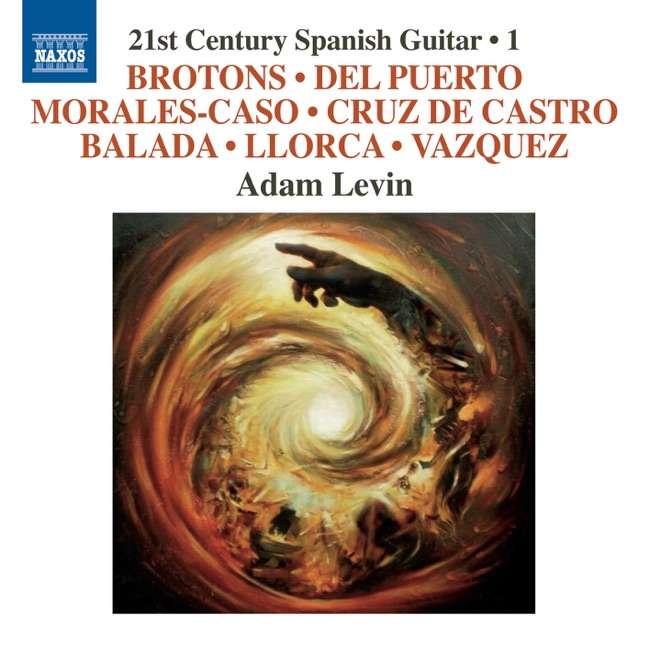 May 28, 2013
 -
 December 1, 2012
 -
 October 26, 2006
Vocal
-
 September 18, 2007
Artist Info
Role:ComposerEduardo Morales-Caso was a Spanish composer and pianist who was born on January 1, 1963, in Madrid, Spain. He was the son of a music teacher and grew up in a family that was deeply involved in music. From a young age, Morales-Caso showed a natural talent for music and began playing the piano at the age of four. Morales-Caso's parents recognized his talent and encouraged him to pursue a career in music. He began studying piano at the Madrid Royal Conservatory of Music at the age of seven and continued his studies there for the next ten years. During this time, he also studied composition and music theory. In 1983, Morales-Caso moved to Paris to continue his studies at the École Normale de Musique de Paris. He studied under the renowned pianist and composer Yvonne Loriod, who had been a student of Olivier Messiaen. Under Loriod's guidance, Morales-Caso developed his own unique style of composition, which blended elements of classical music with contemporary techniques. Morales-Caso's early works were heavily influenced by the music of Messiaen, as well as by the works of other contemporary composers such as Pierre Boulez and György Ligeti. His compositions were characterized by their complex rhythms, intricate harmonies, and use of electronic instruments. One of Morales-Caso's early works, "Cantos de la Tierra" (Songs of the Earth), was premiered in Paris in 1986. The piece was a suite of five movements that explored the sounds and rhythms of different cultures from around the world. The work was well-received by critics and established Morales-Caso as a rising star in the world of contemporary classical music. In the years that followed, Morales-Caso continued to compose and perform his own works, as well as works by other composers. He became known for his virtuosic piano playing and his ability to bring out the nuances and complexities of contemporary music. One of Morales-Caso's most famous works is his "Concerto for Piano and Orchestra," which was premiered in Madrid in 1992. The piece was a tour-de-force for Morales-Caso, who both composed and performed the work. The concerto was characterized by its complex rhythms and harmonies, as well as its use of electronic instruments and percussion. Morales-Caso's music was often inspired by his travels and experiences in different parts of the world. He was particularly interested in the music of Latin America and incorporated elements of Latin American music into many of his works. One of his most famous works in this vein is "Suite Latina," which was premiered in Madrid in 1998. The piece was a suite of six movements that explored the rhythms and melodies of different Latin American countries. In addition to his work as a composer and pianist, Morales-Caso was also a respected music educator. He taught at the Madrid Royal Conservatory of Music and was known for his ability to inspire and motivate his students. Tragically, Morales-Caso's life was cut short when he died in a car accident in 2001 at the age of 38. His death was a great loss to the world of contemporary classical music, but his legacy lives on through his music and the many students he inspired and taught. In conclusion, Eduardo Morales-Caso was a talented and innovative composer and pianist who left an indelible mark on the world of contemporary classical music.More....
Recent Artist Music
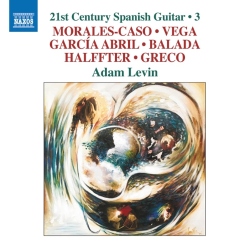
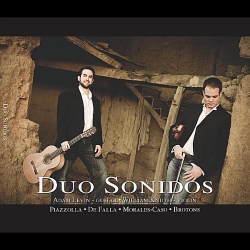

Copyright Ⓒ 2013 Davinci Finger. All rights reseved
Service Terms & Policy