


Jean Lenoir
Released Album
Vocal
-
 March 14, 2011
 -
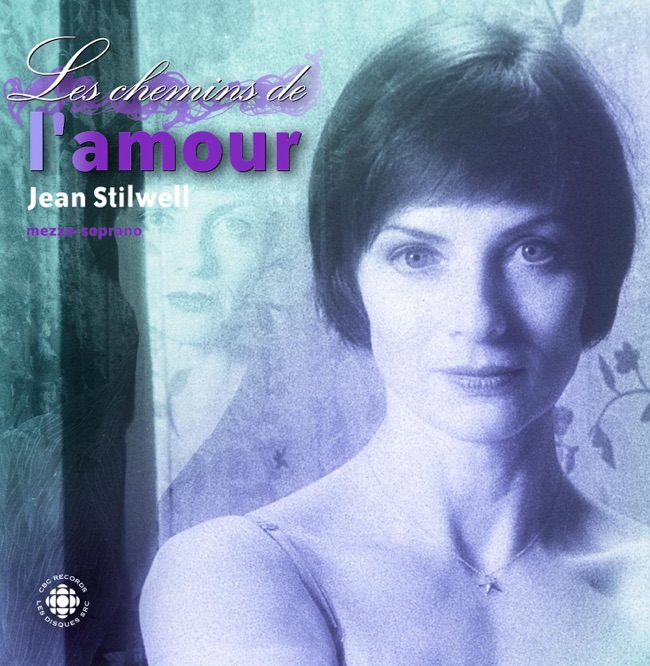 October 10, 2000
Artist Info
Role:Composer ConductorBirth:1891Death:1976Genre:OperaVocalJean Lenoir was a French composer who lived from 1891 to 1976. He was born in the city of Lyon, France, and showed an early interest in music. His parents were both amateur musicians, and they encouraged him to pursue his passion for music. Lenoir began his formal musical education at the age of six, when he started taking piano lessons. He quickly showed a talent for the instrument, and by the age of ten, he was already composing his own music. He continued his studies at the Conservatoire de Lyon, where he studied composition, harmony, and counterpoint. After completing his studies at the Conservatoire de Lyon, Lenoir moved to Paris to further his musical education. He studied with some of the most prominent composers of the time, including Maurice Ravel and Claude Debussy. He also studied with the famous conductor Pierre Monteux, who would later become a close friend and collaborator. Lenoir's early works were heavily influenced by the Impressionist style of Debussy and Ravel. His music was characterized by its lush harmonies, delicate melodies, and intricate textures. He was particularly interested in exploring the possibilities of orchestration, and his early works often featured unusual combinations of instruments. One of Lenoir's early successes was his ballet score, "La Danse des Nymphes," which was premiered in Paris in 1919. The ballet was well-received by audiences and critics alike, and it helped to establish Lenoir as a rising star in the French music scene. Throughout the 1920s and 1930s, Lenoir continued to compose music in a variety of genres, including orchestral works, chamber music, and vocal music. He also began to experiment with incorporating elements of jazz and popular music into his compositions, which was a relatively new and controversial approach at the time. One of Lenoir's most famous works from this period is his "Concerto for Piano and Orchestra," which was premiered in Paris in 1932. The concerto is notable for its virtuosic piano writing and its use of jazz-inspired harmonies and rhythms. It remains one of Lenoir's most popular and frequently performed works. During World War II, Lenoir was forced to flee Paris due to the Nazi occupation. He spent several years living in the south of France, where he continued to compose music and perform in local concerts. After the war, he returned to Paris and resumed his career as a composer and performer. In the post-war years, Lenoir's music became more experimental and avant-garde. He began to incorporate elements of serialism and atonality into his compositions, which was a departure from his earlier, more tonal works. He also became interested in electronic music and began to experiment with tape manipulation and other electronic techniques. One of Lenoir's most famous works from this period is his "Symphony No. 3," which was premiered in Paris in 1952. The symphony is notable for its use of serial techniques and its unconventional orchestration, which includes a large percussion section and a prominent role for the piano. Despite his experimental tendencies, Lenoir remained committed to traditional forms and structures. He continued to compose works in the classical genres, including symphonies, concertos, and chamber music. He also wrote music for film and television, including the score for the 1960 film "Breathless." Lenoir's music has been praised for its beauty, originality, and technical mastery.More....
Recent Artist Music







Copyright Ⓒ 2013 Davinci Finger. All rights reseved
Service Terms & Policy