


Carl Thiel
Released Album
Miscellaneous
-
 October 27, 2023
 -
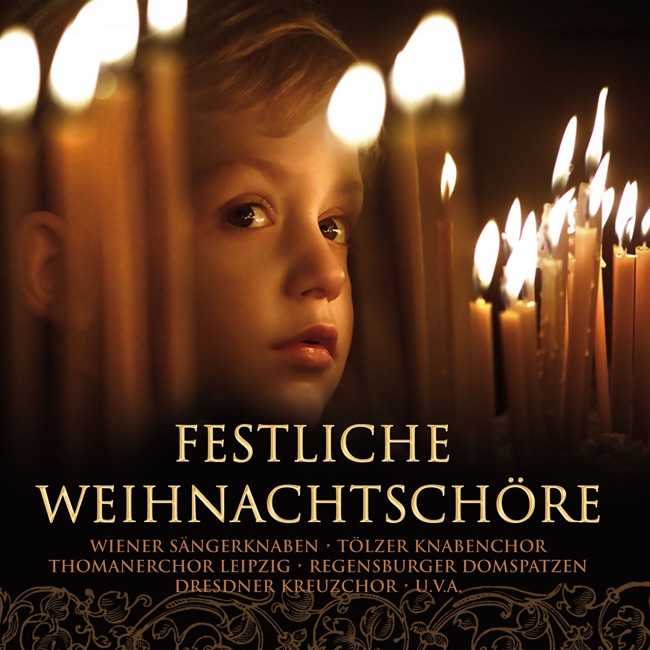 November 28, 2008
 -
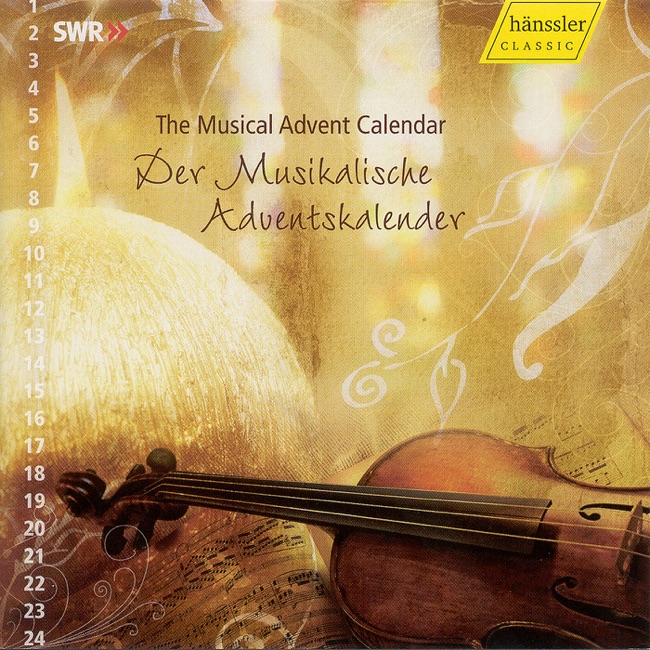 September 19, 2008
 -
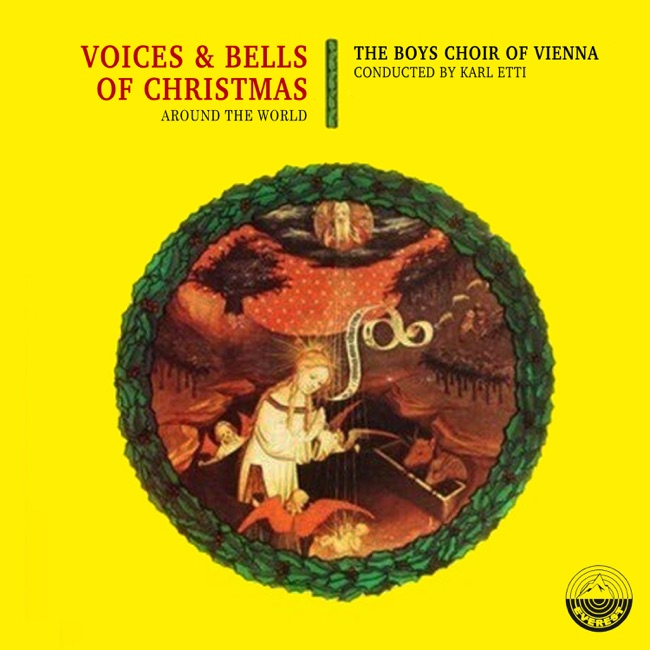 October 4, 2005
 -
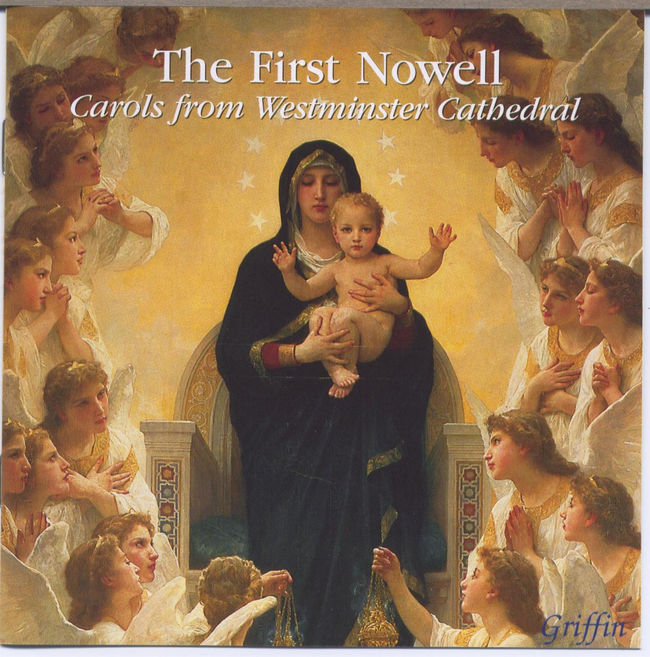 September 24, 2002
 -
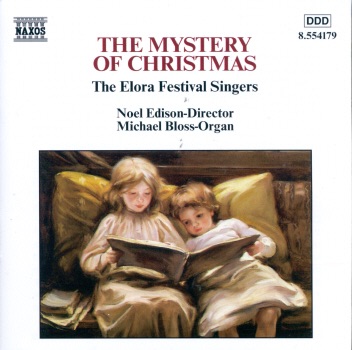 September 8, 1998
Choral
-
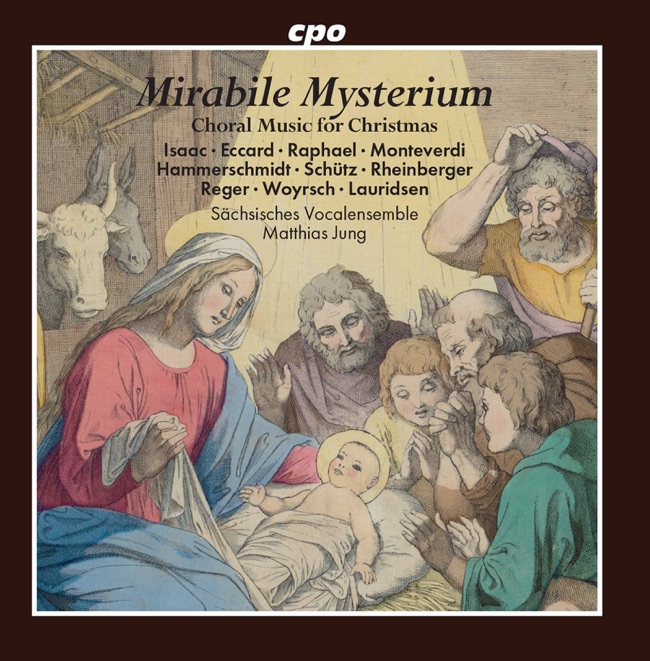 May 29, 2020
 -
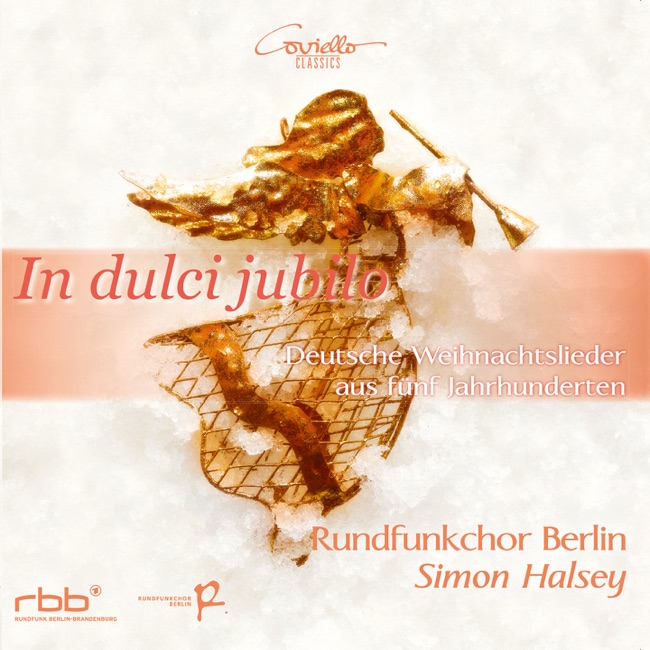 November 19, 2013
 -
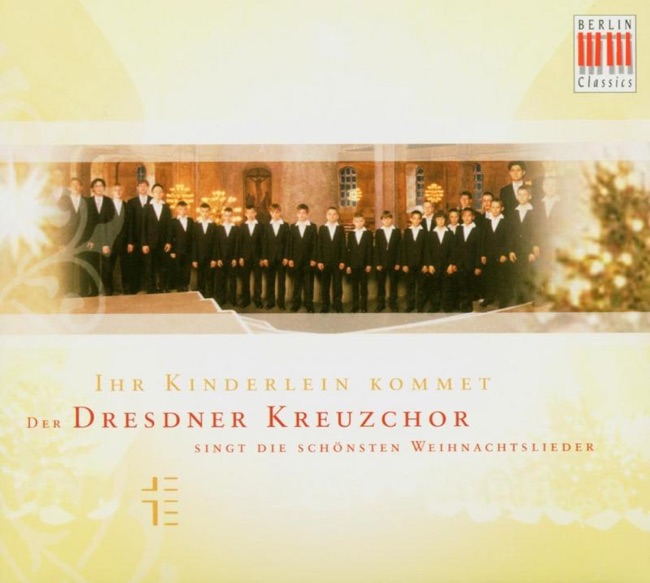 October 19, 2005
 -
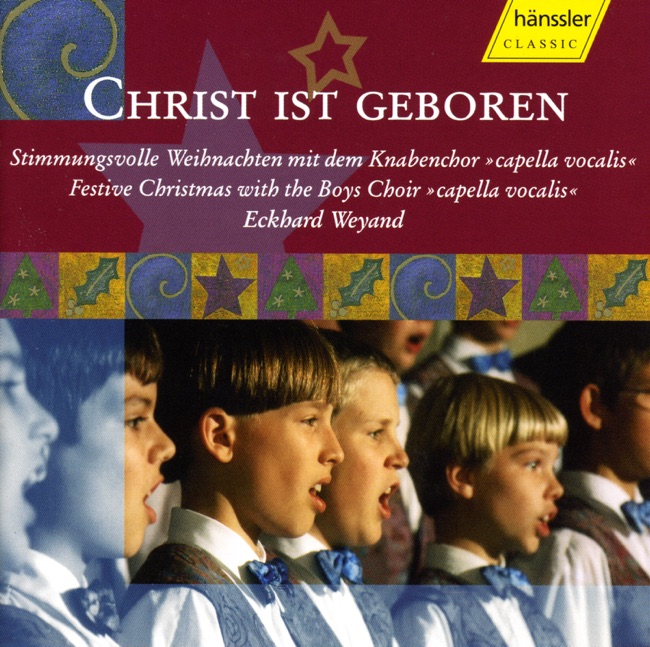 November 8, 2002
Artist Info
Role:ComposerBirth:1862Death:1939Genre:ChoralCarl Thiel was a German composer born on January 22, 1862, in the city of Leipzig. He was the son of a music teacher and grew up in a family that was deeply involved in music. Thiel showed an early interest in music and began taking piano lessons at the age of six. He later studied composition with the renowned composer and conductor, Felix Draeseke. Thiel's early compositions were heavily influenced by the Romantic style of music that was popular in Germany during the late 19th century. He was particularly drawn to the works of Richard Wagner and Franz Liszt, and his early compositions reflect this influence. Thiel's first major work was a piano concerto, which he composed when he was just 18 years old. The concerto was well-received and helped establish Thiel as a promising young composer. In 1882, Thiel moved to Berlin to study at the Royal Academy of Music. While in Berlin, he studied with some of the most prominent composers of the time, including Heinrich von Herzogenberg and Friedrich Kiel. Thiel's time in Berlin was a period of intense creativity, and he composed a number of works during this time, including his first symphony. Thiel's music was characterized by its lush harmonies, sweeping melodies, and dramatic contrasts. He was particularly skilled at writing for the orchestra, and his orchestral works are some of his most celebrated compositions. Thiel's music was also notable for its use of programmatic elements, which helped to give his works a sense of narrative and drama. One of Thiel's most famous works is his Symphony No. 2, which he composed in 1893. The symphony is a large-scale work that is notable for its use of programmatic elements. The first movement, titled "The Awakening of Spring," is a vivid depiction of the changing of the seasons. The second movement, "The Storm," is a dramatic and turbulent depiction of a storm. The third movement, "The Song of the Nightingale," is a lyrical and romantic interlude. The final movement, "The Triumph of Summer," is a triumphant and celebratory conclusion to the symphony. Thiel's other notable works include his Piano Concerto No. 2, which he composed in 1901. The concerto is a virtuosic work that showcases Thiel's skill as a pianist and composer. Thiel also composed a number of chamber works, including his String Quartet No. 1, which is a lyrical and expressive work that is notable for its use of counterpoint. Thiel's music was well-received during his lifetime, and he was regarded as one of the leading composers of his generation. He was particularly popular in Germany and Austria, where his music was frequently performed. Thiel was also a respected music critic and wrote extensively on music theory and composition. Thiel died on December 10, 1909, at the age of 47. His death was a great loss to the world of music, and his music continues to be celebrated and performed to this day. Thiel's legacy as a composer is a testament to his skill and creativity, and his music remains an important part of the classical music canon.More....
Recent Artist Music

4
4:22



Copyright Ⓒ 2013 Davinci Finger. All rights reseved
Service Terms & Policy