


Max Kowalski
Released Album
Vocal
-
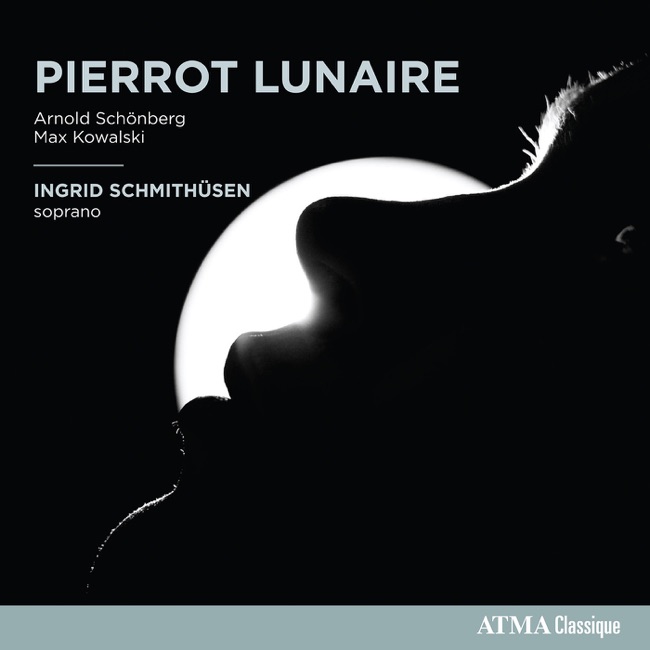 May 13, 2016
 -
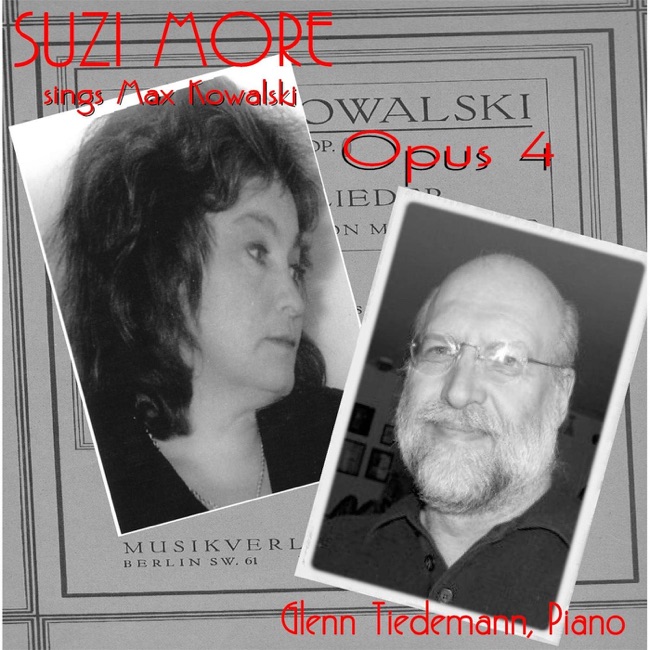 November 15, 2013
 -
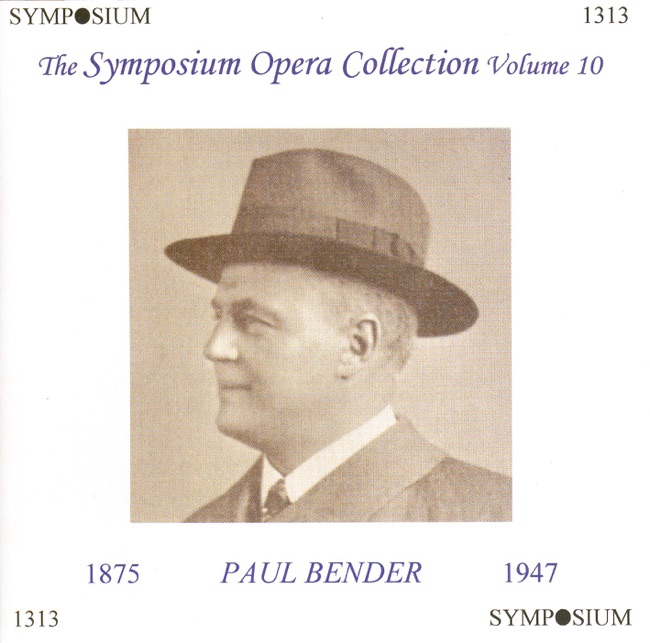 April 29, 2003
Artist Info
Role:ComposerBirth:August 10, 1882 in Kowal, PolandDeath:June 4, 1956 in London, EnglandGenre:VocalMax Kowalski was a German composer and pianist who was born on June 10, 1882, in Königsberg, East Prussia (now Kaliningrad, Russia). He was the son of a Jewish merchant and grew up in a musical family. His father played the violin, and his mother was a singer. Kowalski began playing the piano at a young age and showed great talent. He studied music at the Königsberg Conservatory and later at the Berlin Hochschule für Musik. Kowalski's early compositions were influenced by the Romantic style of the late 19th century. He wrote songs, piano pieces, and chamber music. In 1906, he moved to Paris, where he studied with Gabriel Fauré and Vincent d'Indy. He also became friends with other composers, including Maurice Ravel and Igor Stravinsky. Kowalski's music began to reflect the influence of French Impressionism and Modernism. In 1914, Kowalski returned to Germany and settled in Berlin. He continued to compose and perform, but his career was interrupted by World War I. Kowalski served in the German army and was wounded in battle. After the war, he resumed his musical activities and became a prominent figure in Berlin's cultural scene. He was a member of the Berlin Academy of Arts and the Prussian Academy of Arts. Kowalski's music from the 1920s and 1930s reflects the influence of the Second Viennese School, particularly Arnold Schoenberg. He began to experiment with atonal and twelve-tone techniques. However, Kowalski's music was not as radical as Schoenberg's, and he remained committed to tonality and melody. He also continued to write songs, which became his most popular works. In 1933, the Nazi regime came to power in Germany, and Kowalski's life changed dramatically. As a Jew, he was no longer allowed to perform or have his music played in public. He was forced to flee Germany and emigrated to England. Kowalski's music was banned in Germany, and many of his manuscripts were lost or destroyed. In England, Kowalski continued to compose and perform. He became a British citizen in 1947. His music from this period reflects his experiences as a refugee and his longing for his homeland. He wrote several works for voice and piano, including the song cycle "Songs of Exile," which sets poems by Heinrich Heine and other German poets. Kowalski died on October 18, 1956, in London. His music was largely forgotten after his death, but in recent years, there has been renewed interest in his work. Several of his compositions have been recorded and performed in concert. Kowalski's music is characterized by its lyricism, emotional depth, and sensitivity to text. His songs, in particular, are considered to be among the finest examples of German Lieder from the early 20th century. Some of Kowalski's most notable works include: - "Songs of a Wayfarer" (1908) - a song cycle for voice and piano that sets poems by Friedrich Rückert. The cycle was later orchestrated by Gustav Mahler. - "Three Songs" (1910) - for voice and piano. These songs reflect Kowalski's interest in French Impressionism and feature lush harmonies and colorful textures. - "String Quartet No. 1" (1921) - Kowalski's first work to use atonal techniques. The quartet is in four movements and features complex rhythms and dissonant harmonies. - "Songs of Exile" (1940) - a song cycle for voice and piano that sets poems by Heinrich Heine and other German poets.More....
Recent Artist Music
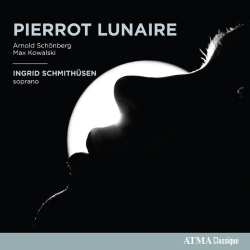
3
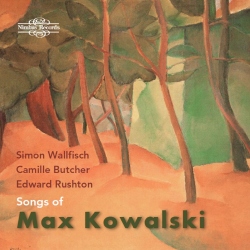
Sweet Chance, That Led My Steps Abroad (English Songs)
English Songs: I. Sweet Chance, that led my steps abroad
2:6
Copyright Ⓒ 2013 Davinci Finger. All rights reseved
Service Terms & Policy