


Camillo Sivori
Released Album
Chamber
-
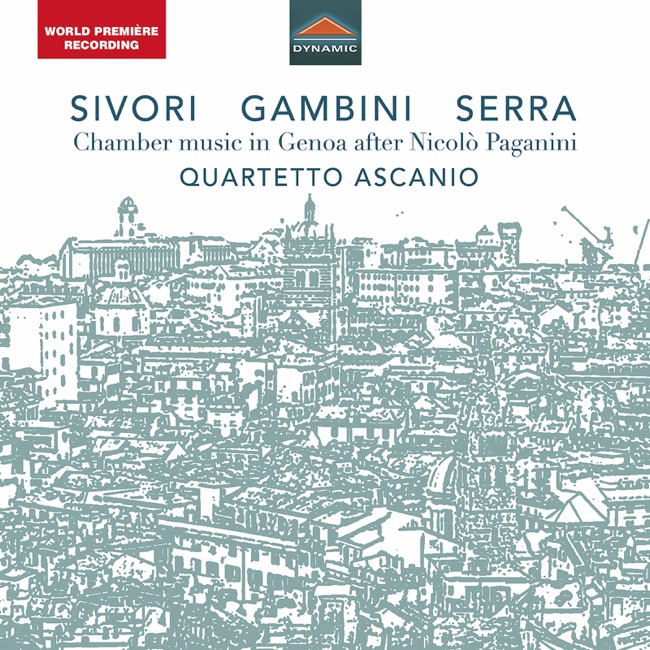
-
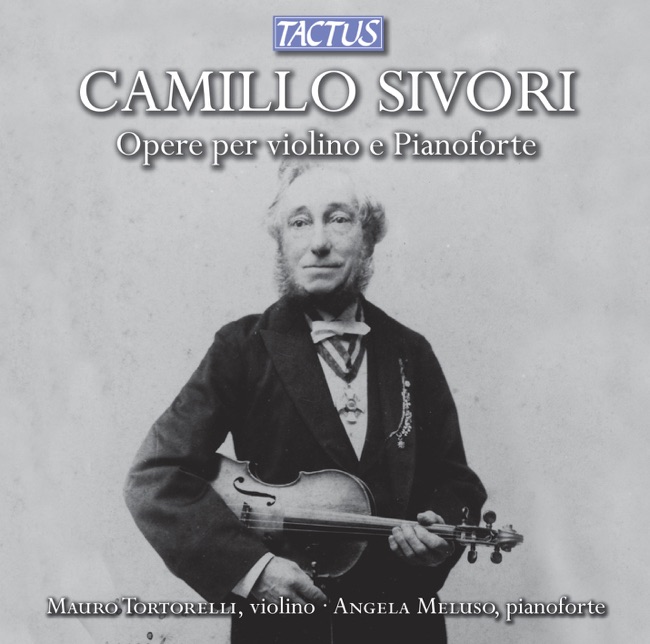 October 1, 2012
 -
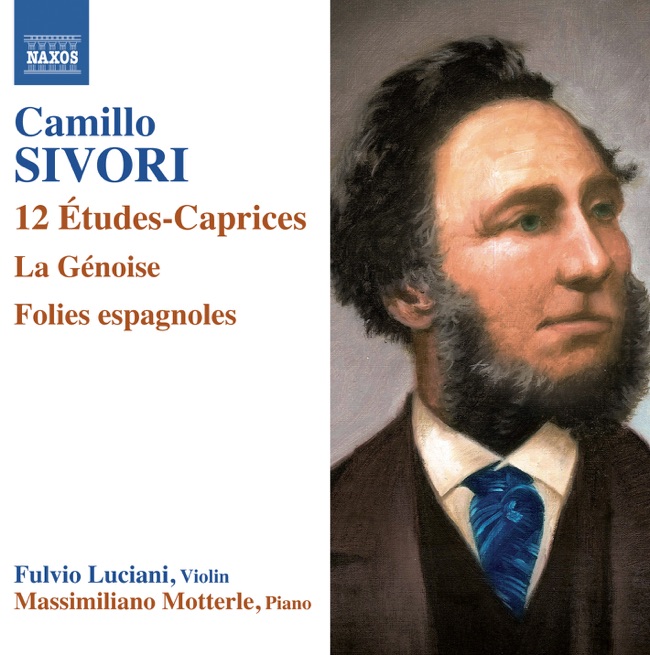
-
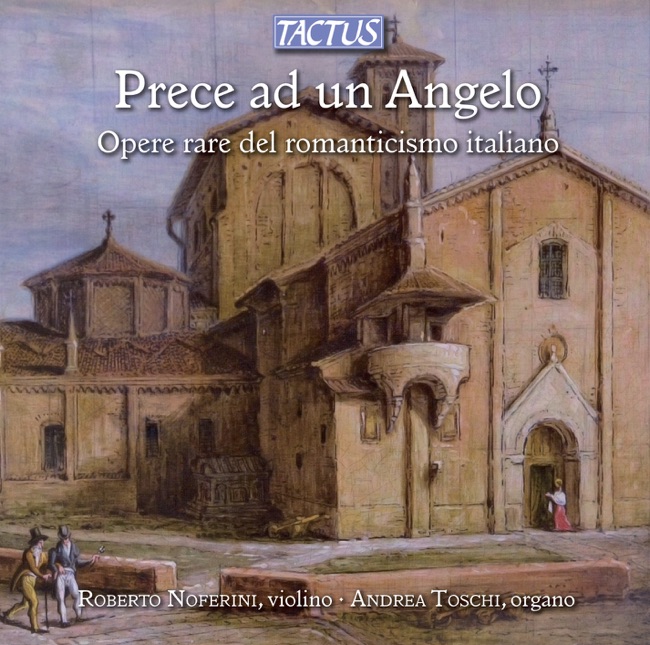 August 9, 2011
 -
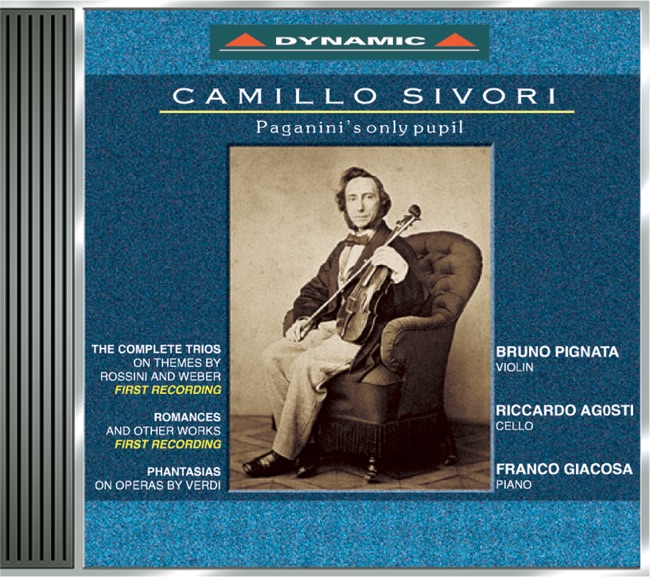 January 17, 2000
Miscellaneous
-
-
 February 15, 2019
Artist Info
Role:ComposerBirth:1815Death:1894Period:RomanticGenre:ChamberCamillo Sivori was an Italian violinist and composer who lived from 1815 to 1894. He was born in Genoa, Italy, on October 25, 1815, to a family of musicians. His father, Giuseppe Sivori, was a violinist and composer, and his mother, Maria Fanny Pelagatta, was a singer. Camillo showed an early interest in music and began studying the violin with his father at a young age. At the age of nine, Camillo made his public debut as a violinist, performing a concerto by Giovanni Battista Viotti. He quickly gained a reputation as a prodigy and began touring Europe, performing in major cities such as Paris, London, and Vienna. He also studied with some of the most renowned violinists of the time, including Niccolò Paganini, who became his mentor and close friend. Sivori's career as a performer was marked by numerous successes. He was praised for his virtuosity and musicality, and his performances were often described as electrifying. He was also known for his collaborations with other musicians, including Franz Liszt, who accompanied him on the piano during some of his concerts. In addition to his career as a performer, Sivori was also a prolific composer. He wrote numerous works for the violin, including concertos, sonatas, and chamber music. His compositions were influenced by the Romantic style of the time, and he often incorporated virtuosic passages and expressive melodies into his works. One of Sivori's most famous compositions is his Violin Concerto No. 1 in A minor, Op. 26. The concerto was written in 1845 and premiered in Paris the following year. It is a virtuosic work that showcases Sivori's technical abilities as a violinist, as well as his skill as a composer. The concerto is divided into three movements, each of which features a different mood and tempo. The first movement is marked by its dramatic opening and virtuosic passages, while the second movement is more lyrical and introspective. The final movement is a lively and energetic finale that showcases Sivori's technical prowess. Another notable work by Sivori is his Sonata for Violin and Piano in D major, Op. 5. The sonata was written in 1836 and is a charming and lyrical work that showcases Sivori's gift for melody. The piece is divided into three movements, each of which features a different mood and tempo. The first movement is marked by its playful and lively character, while the second movement is more introspective and melancholic. The final movement is a lively and energetic finale that showcases Sivori's technical abilities as a violinist. Sivori's compositions were well-received during his lifetime, and many of his works were performed by other musicians. However, his reputation as a composer has been overshadowed by his career as a performer. Despite this, his works continue to be performed and recorded today, and they are considered important contributions to the repertoire for the violin. In addition to his career as a performer and composer, Sivori was also a respected teacher. He taught at the Milan Conservatory and the Paris Conservatory, and his students included some of the most renowned violinists of the time, such as Eugène Ysaÿe and Leopold Auer. Sivori died in Genoa on February 18, 1894, at the age of 78. He left behind a legacy as one of the most important violinists and composers of the Romantic era.More....
Recent Artist Music

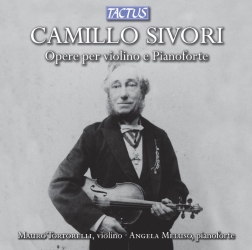


7
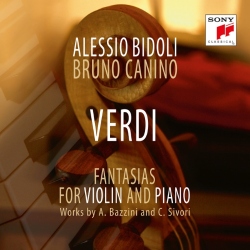
Phantasia on A Masked Ball, Op. 19
Fantasia su temi tratti da "Un ballo in maschera" , op. 19
15:3
8
13:37
9
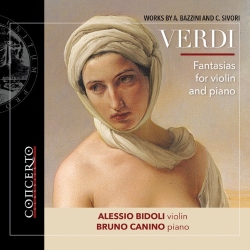
16:27

Copyright Ⓒ 2013 Davinci Finger. All rights reseved
Service Terms & Policy