


William Cranford
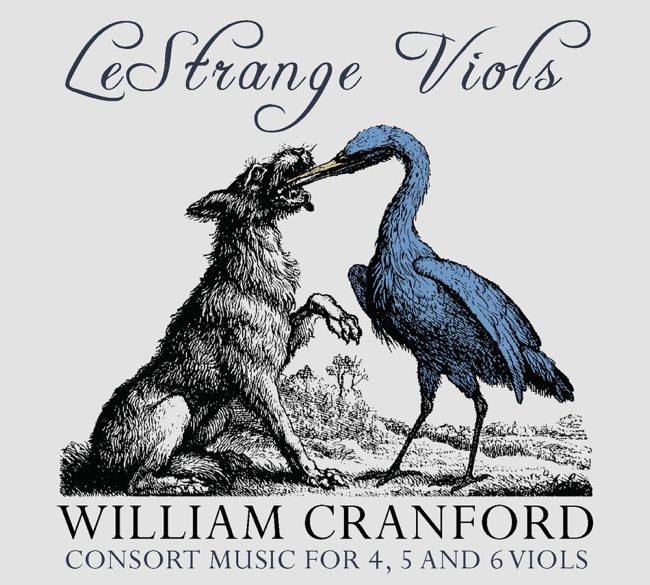
Artist Info
Role:ComposerDeath:ca. 1645Period:BaroqueWilliam Cranford was a British composer who lived during the 17th century. He was born in London in 1637, and little is known about his early life. However, it is believed that he received his musical education from John Jenkins, a prominent composer and musician of the time. Cranford's musical career began in the 1650s, when he started to compose music for the viola da gamba, a popular instrument of the time. He quickly gained a reputation as a skilled composer, and his works were performed at various concerts and events in London. In the 1660s, Cranford became a member of the Royal Society of Musicians, an organization that promoted the interests of musicians in London. He also began to compose music for the theatre, and his works were performed at the King's Theatre and the Theatre Royal, Drury Lane. One of Cranford's most famous works is his set of six sonatas for viola da gamba and harpsichord, which he composed in the 1670s. These sonatas are considered to be some of the finest examples of English Baroque music, and they are still performed and recorded today. Cranford's music is characterized by its elegant melodies, intricate harmonies, and sophisticated counterpoint. He was particularly skilled at writing for the viola da gamba, and his works for this instrument are considered to be some of the finest examples of English Baroque music. In addition to his compositions for the viola da gamba, Cranford also wrote music for the harpsichord, the organ, and the voice. His vocal works include a number of anthems and hymns, which were performed in churches throughout London. Despite his success as a composer, Cranford struggled financially throughout his life. He was never able to secure a permanent position as a musician, and he often had to rely on the patronage of wealthy individuals to support himself. Cranford died in London in 1680, at the age of 43. Despite his relatively short life, he left behind a significant body of work that continues to be admired and performed today. His music is an important part of the English Baroque tradition, and it remains a testament to his skill and creativity as a composer.More....
Copyright Ⓒ 2013 Davinci Finger. All rights reseved
Service Terms & Policy