


Ira Taxin
Released Album
Miscellaneous
-
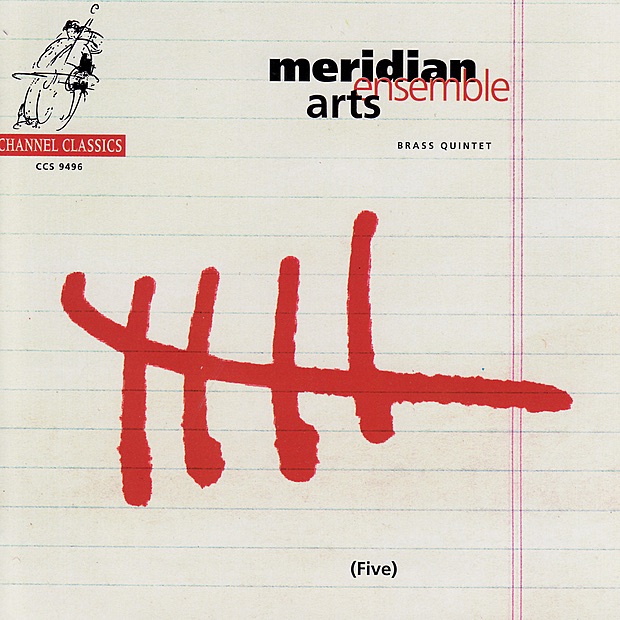 January 1, 1996
Chamber
-
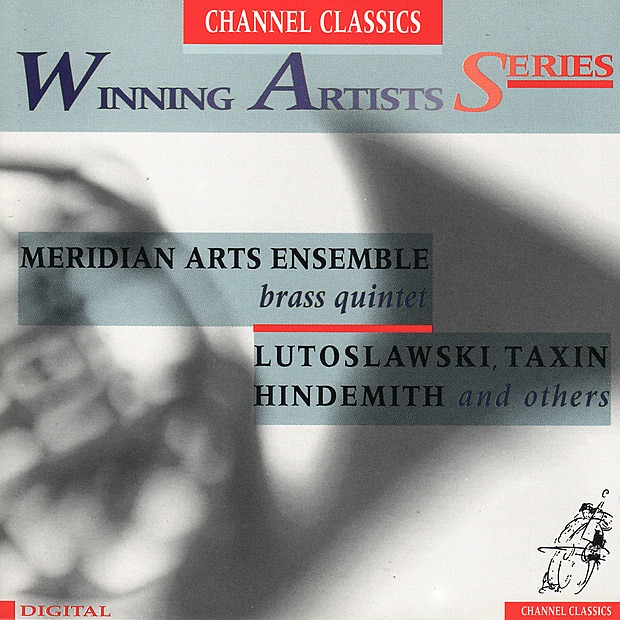 July 1, 1997
Artist Info
Role:ComposerPeriod:ContemporaryGenre:ChamberIra Taxin was an American composer of classical music, born on May 12, 1947, in New York City. He grew up in a family of musicians, with his father being a professional violinist and his mother a pianist. Taxin showed an early interest in music and began playing the piano at the age of five. He later learned to play the violin and the viola, which he played in various orchestras throughout his life. Taxin attended the Juilliard School of Music in New York City, where he studied composition with Vincent Persichetti and Roger Sessions. He also studied conducting with Jean Morel and Leonard Bernstein. After graduating from Juilliard, Taxin continued his studies in Europe, where he studied with the renowned composer and conductor Pierre Boulez. Taxin's early works were heavily influenced by the serialist movement, which was popular in the mid-20th century. His compositions were characterized by their complex rhythms, dissonant harmonies, and unconventional forms. However, as he matured as a composer, Taxin began to incorporate more tonal elements into his music, creating a unique style that blended traditional and modernist techniques. One of Taxin's most notable works is his Symphony No. 1, which he composed in 1975. The symphony is a large-scale work that features a full orchestra and is divided into four movements. The first movement is marked by its driving rhythms and angular melodies, while the second movement is more lyrical and introspective. The third movement is a scherzo that features a playful, dance-like theme, and the final movement is a grand finale that brings the symphony to a thrilling conclusion. Another significant work by Taxin is his String Quartet No. 1, which he composed in 1982. The quartet is a challenging work that showcases Taxin's mastery of counterpoint and his ability to create complex textures with just four instruments. The piece is divided into four movements, each of which explores a different mood and musical idea. The first movement is marked by its driving rhythms and dissonant harmonies, while the second movement is more introspective and features a haunting melody. The third movement is a lively scherzo that showcases the quartet's virtuosity, and the final movement is a grand finale that brings the piece to a thrilling conclusion. In addition to his orchestral and chamber music, Taxin also composed several works for solo instruments. One of his most notable solo works is his Sonata for Violin and Piano, which he composed in 1978. The sonata is a challenging work that showcases Taxin's mastery of both the violin and the piano. The piece is divided into three movements, each of which explores a different mood and musical idea. The first movement is marked by its driving rhythms and virtuosic violin passages, while the second movement is more lyrical and introspective. The final movement is a lively dance that brings the sonata to a thrilling conclusion. Throughout his career, Taxin received numerous awards and honors for his compositions. In 1980, he was awarded a Guggenheim Fellowship, which allowed him to travel to Europe and study with Pierre Boulez. He also received commissions from several prominent orchestras and chamber ensembles, including the New York Philharmonic and the Juilliard String Quartet. Despite his success as a composer, Taxin remained humble and dedicated to his craft. He continued to compose throughout his life, even as he battled health issues in his later years.More....
Recent Artist Music
Copyright Ⓒ 2013 Davinci Finger. All rights reseved
Service Terms & Policy