


Traditional Argentinian
Released Album
Vocal
-
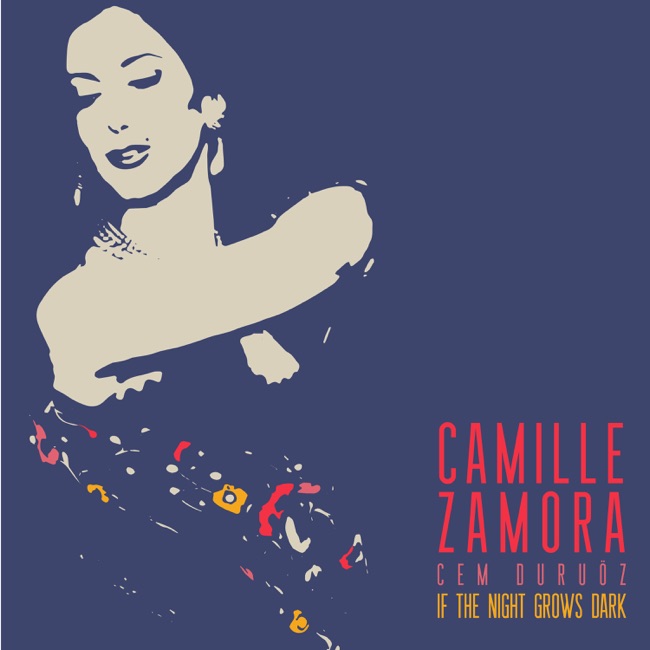 July 31, 2020
 -
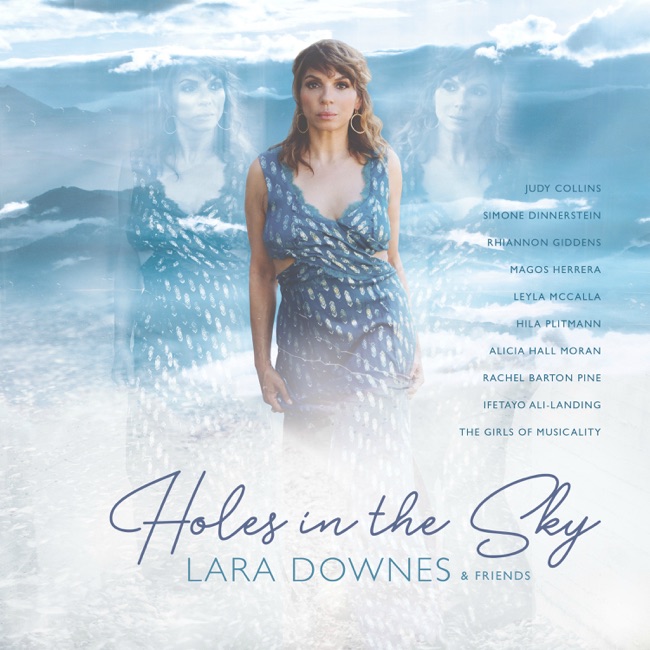 March 1, 2019
Miscellaneous
-
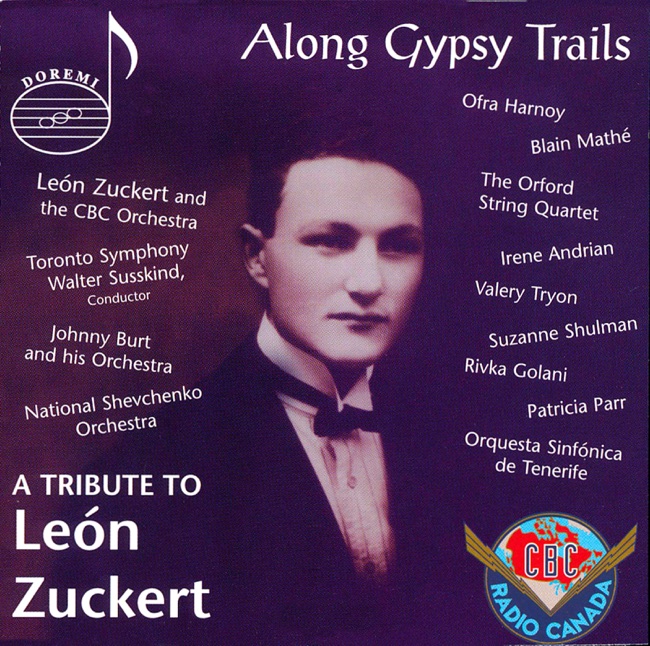 August 8, 2006
Choral
-
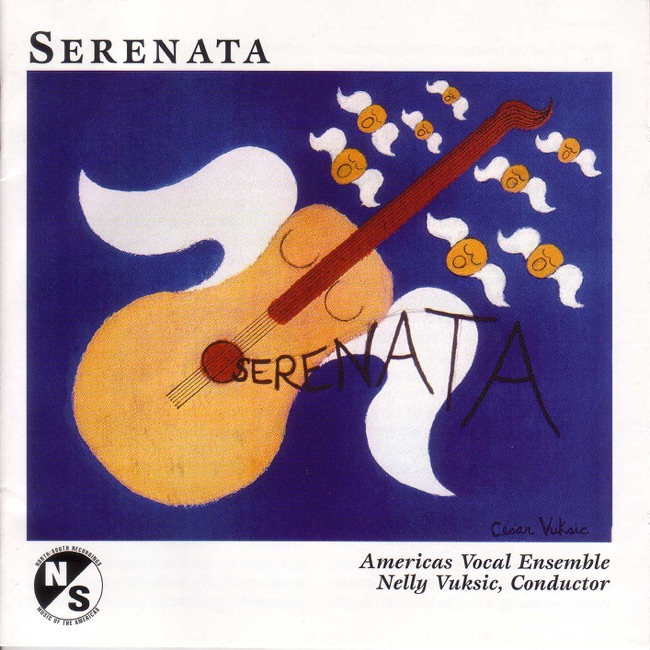 October 30, 2001
Chamber
-
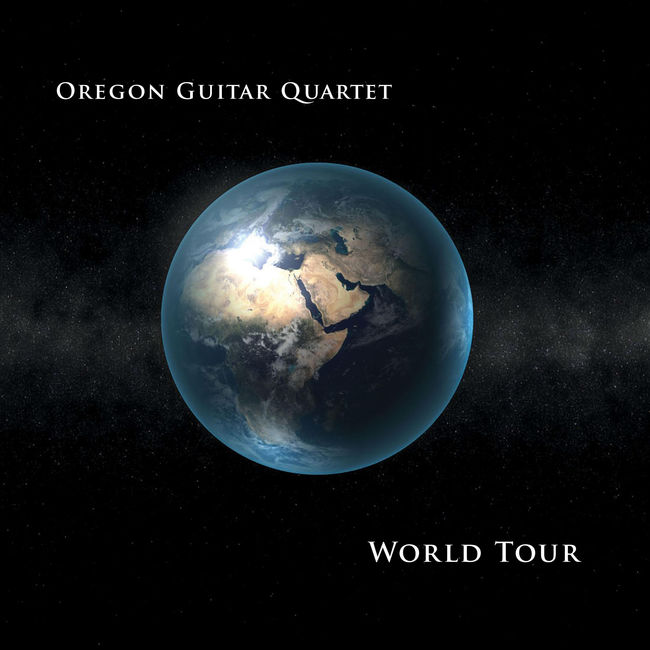 March 1, 2014
Artist Info
Role:ComposerGenre:ChoralVocalTraditional Argentinian music is a genre that has been shaped by the country's rich cultural heritage, blending indigenous, African, and European influences. One of the most prominent composers of this genre is Astor Piazzolla, who revolutionized traditional Argentinian music by incorporating elements of jazz and classical music. Astor Piazzolla was born on March 11, 1921, in Mar del Plata, Argentina. His parents were Italian immigrants, and his father played the guitar and the bandoneon, a type of accordion that is commonly used in traditional Argentinian music. Piazzolla showed an early interest in music and began playing the bandoneon at the age of eight. In 1933, Piazzolla's family moved to New York City, where he continued his musical education. He studied with the Hungarian composer Bela Bartok and the Argentine composer Alberto Ginastera. Piazzolla was also exposed to jazz music during his time in New York, which would later influence his own compositions. In 1937, Piazzolla returned to Argentina and began playing in tango orchestras. Tango is a style of music and dance that originated in Argentina in the late 19th century. Piazzolla quickly became known for his virtuosic bandoneon playing and his innovative arrangements of traditional tango music. In the 1950s, Piazzolla began to experiment with incorporating elements of jazz and classical music into his compositions. He formed his own ensemble, the Astor Piazzolla Quintet, which included a piano, a violin, an electric guitar, a bass, and Piazzolla on the bandoneon. The quintet's music was a fusion of traditional tango, jazz, and classical music, and it was unlike anything that had been heard before. Piazzolla's most famous composition is "Libertango," which he wrote in 1974. The piece is a fusion of tango and jazz, with a driving rhythm and complex harmonies. "Libertango" has been covered by numerous artists and has become a staple of the modern tango repertoire. Another notable work by Piazzolla is "Adiós Nonino," which he wrote in 1959 after the death of his father. The piece is a tribute to his father and is one of Piazzolla's most emotional compositions. "Adiós Nonino" has been covered by many artists and is considered a classic of the tango repertoire. Piazzolla continued to compose and perform until his death in 1992. His music has had a profound influence on traditional Argentinian music and has inspired countless musicians around the world. Piazzolla's innovative fusion of tango, jazz, and classical music has created a new genre of music that continues to evolve and inspire to this day.More....

Copyright Ⓒ 2013 Davinci Finger. All rights reseved
Service Terms & Policy