


William Henry Squire
Released Album
Vocal
-
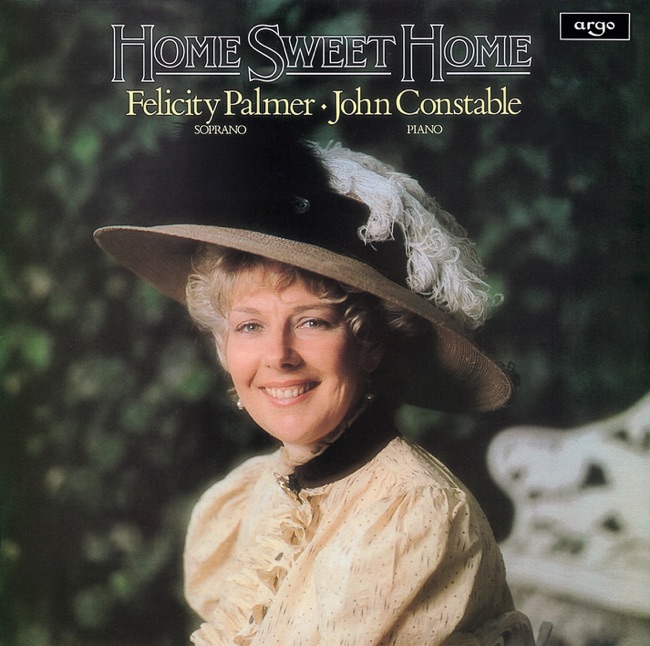 November 20, 2007
 -
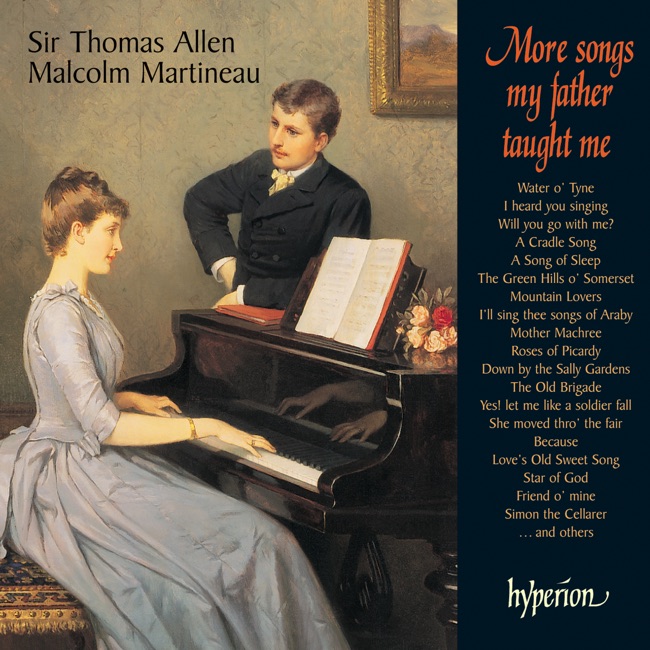 June 2, 2003
Chamber
-
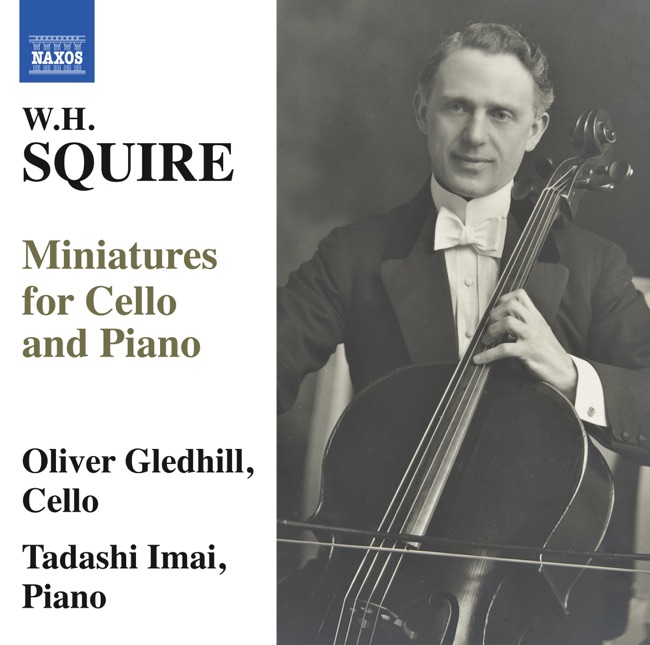 July 8, 2016
 -
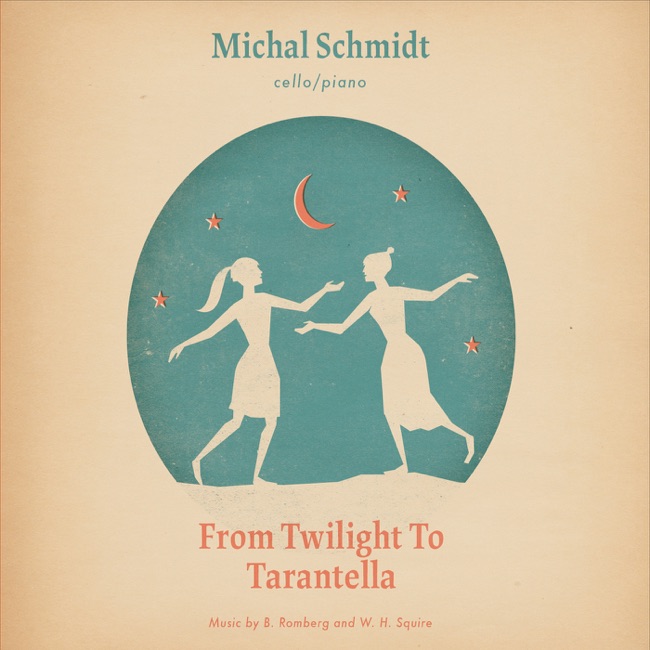 April 25, 2015
 -
 May 23, 2006
Artist Info
Role:ComposerBirth:August 8, 1871 in Ross-on-Wye, EnglandDeath:March 17, 1963 in London, EnglandPeriod:RomanticGenre:ChamberKeyboardVocalWilliam Henry Squire was a renowned English cellist and composer who was born on August 8, 1871, in the town of Taunton, Somerset. He was the son of a music teacher, and his father recognized his musical talent at an early age. Squire began playing the cello when he was just six years old, and by the time he was ten, he was already performing in public. Squire's musical education began at the Royal College of Music in London, where he studied under the tutelage of cellist Edward Howell. He quickly established himself as a prodigious talent, and in 1888, at the age of just 17, he won the prestigious Queen's Prize for cello playing. This award helped to launch his career as a professional musician, and he soon began performing in concerts throughout England. In addition to his performing career, Squire was also a prolific composer. He wrote a wide range of music, including chamber music, orchestral works, and pieces for solo cello. His compositions were heavily influenced by the Romantic era, and he was particularly drawn to the works of composers such as Brahms and Tchaikovsky. One of Squire's most famous works is his "Tarantella," which was written for solo cello and piano. This piece is a lively and energetic dance that showcases the technical prowess of the cellist. It has become a staple of the cello repertoire and is still frequently performed today. Another notable work by Squire is his "Humoresque," which was also written for solo cello and piano. This piece is a playful and lighthearted composition that features a catchy melody and a variety of technical challenges for the cellist. Squire also wrote several works for cello and orchestra, including his "Concerto in D minor." This piece is a virtuosic showcase for the solo cellist, with a dramatic and powerful opening movement followed by a lyrical and expressive second movement. The concerto concludes with a lively and energetic finale that highlights the technical abilities of the soloist. In addition to his compositions, Squire was also a respected teacher and mentor to many young cellists. He taught at the Royal College of Music for many years, and his students included several notable cellists, such as Beatrice Harrison and Ivor James. Squire continued to perform and compose throughout his life, and he remained an important figure in the world of classical music until his death in 1963. His legacy lives on through his music, which continues to be performed and enjoyed by cellists and music lovers around the world.More....
Recent Artist Music


Copyright Ⓒ 2013 Davinci Finger. All rights reseved
Service Terms & Policy