


Leon Levitch
Released Album
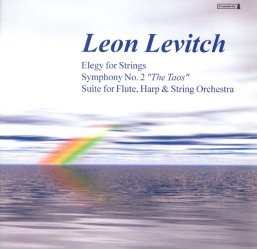
Orchestral
-
 February 27, 2001
Chamber
-
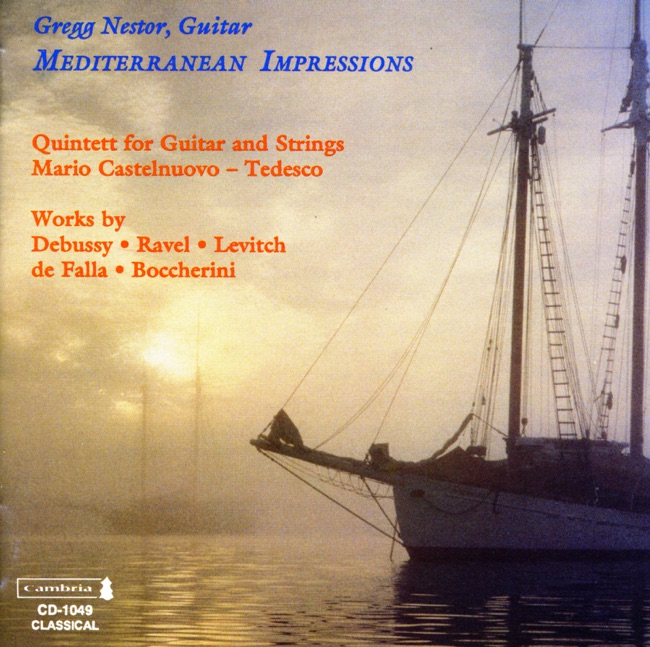 September 2, 1992
Artist Info
Role:ComposerBirth:1927Period:ContemporaryGenre:ChamberOrchestralLeon Levitch was a classical music composer born on May 15, 1928, in Kiev, Ukraine. He was born into a family of musicians, and his father was a well-known violinist in the city. Levitch showed an early interest in music and began playing the piano at the age of four. His father recognized his talent and began teaching him the violin as well. In 1941, when Levitch was thirteen years old, his family was forced to flee Kiev due to the Nazi invasion. They settled in Tashkent, Uzbekistan, where Levitch continued his music studies. He attended the Tashkent Conservatory, where he studied composition with Boris Zeidman and piano with Yakov Milstein. After completing his studies, Levitch moved to Moscow, where he worked as a composer and pianist. He composed music for films, theater productions, and radio broadcasts. In 1956, he won first prize in the All-Union Competition for Young Composers for his Symphony No. 1. In 1961, Levitch immigrated to Israel, where he continued to compose and perform. He became a professor of composition at the Jerusalem Academy of Music and Dance, where he taught for over twenty years. He also served as the director of the Israel Music Institute, which promotes Israeli music both in Israel and abroad. Levitch's music is characterized by its lyricism, emotional depth, and use of Jewish and Middle Eastern musical elements. He was influenced by the music of Sergei Prokofiev, Dmitri Shostakovich, and Igor Stravinsky, as well as by Jewish folk music and the music of the Middle East. One of Levitch's most famous works is his Symphony No. 2, which he composed in 1963. The symphony is in four movements and is scored for a large orchestra. The first movement, marked "Allegro moderato," is characterized by its driving rhythms and use of Middle Eastern scales. The second movement, marked "Adagio," is a lyrical and emotional slow movement. The third movement, marked "Scherzo," is a lively and playful dance. The final movement, marked "Allegro con fuoco," is a triumphant and energetic finale. Another notable work by Levitch is his Piano Concerto, which he composed in 1972. The concerto is in three movements and is scored for piano and orchestra. The first movement, marked "Allegro," is a virtuosic and energetic opening. The second movement, marked "Adagio," is a lyrical and emotional slow movement. The final movement, marked "Allegro con fuoco," is a lively and playful dance. Levitch also composed a number of chamber works, including his String Quartet No. 1, which he composed in 1954. The quartet is in four movements and is scored for two violins, viola, and cello. The first movement, marked "Allegro," is a lively and energetic opening. The second movement, marked "Adagio," is a lyrical and emotional slow movement. The third movement, marked "Scherzo," is a playful and rhythmic dance. The final movement, marked "Allegro con fuoco," is a triumphant and energetic finale. In addition to his compositions, Levitch was also a respected pianist. He performed his own works as well as the works of other composers in concerts throughout Israel and abroad. He was known for his virtuosic technique and his ability to bring out the emotional depth of the music. Levitch received numerous awards and honors throughout his career, including the Israel Prize for Music in 1995. He continued to compose and perform until his death on December 25, 1999, in Jerusalem, Israel.More....
Recent Artist Music
Copyright Ⓒ 2013 Davinci Finger. All rights reseved
Service Terms & Policy