


Alfred Felder
Released Album
Chamber
-
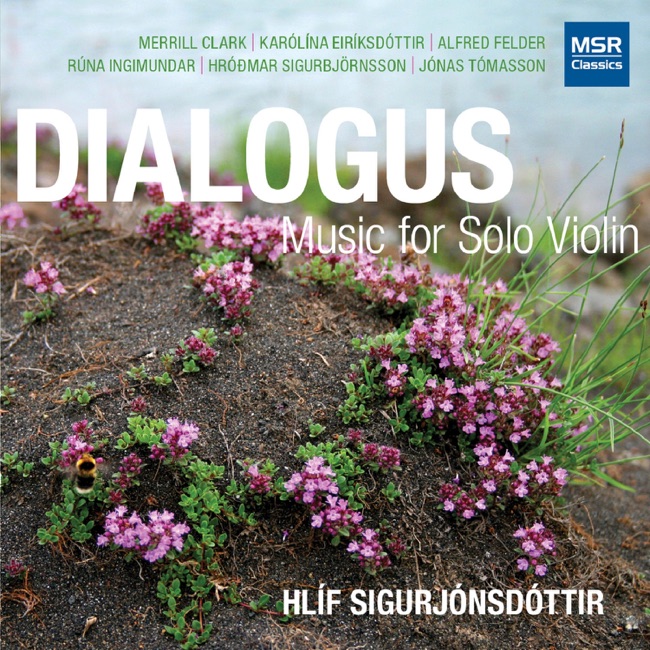 April 6, 2015
 -
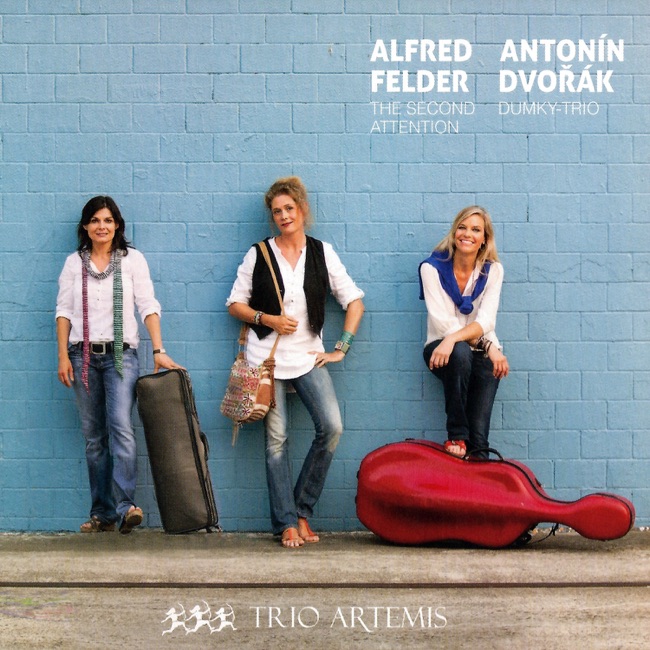 August 12, 2014
 -
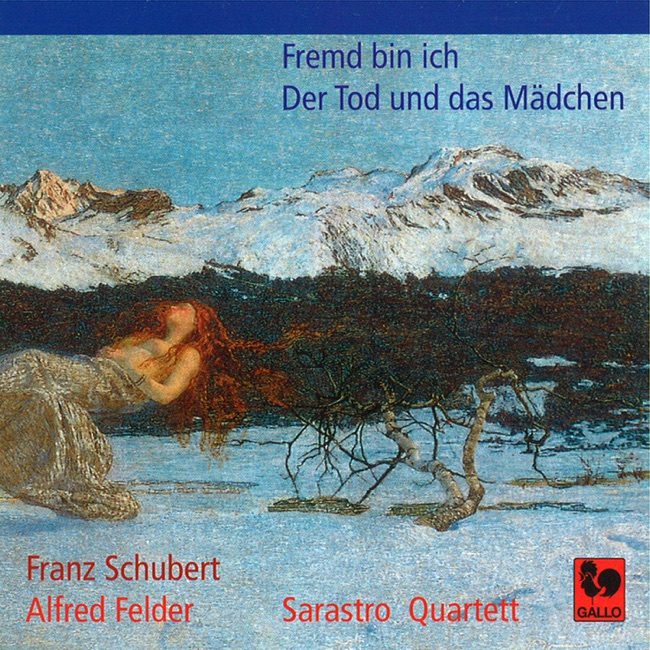 October 9, 2012
 -
 April 27, 2010
 -
 November 30, 2004
 -
Orchestral
-
 August 18, 1995
Keyboard
Artist Info
Role:ComposerPeriod:ModernGenre:ChamberOrchestralAlfred Felder was a renowned classical music composer who was born on May 12, 1928, in Vienna, Austria. He was the youngest of three children born to a family of musicians. His father was a violinist, and his mother was a pianist. From a young age, Felder showed a keen interest in music and began playing the piano at the age of four. Felder's parents recognized his talent and encouraged him to pursue a career in music. He began taking piano lessons with his mother and later studied composition with renowned Austrian composer Anton Webern. Felder's early compositions were heavily influenced by Webern's twelve-tone technique, which he used to create complex and intricate musical structures. In 1945, Felder's family fled Austria to escape the Nazi regime and settled in the United States. Felder continued his musical studies at the Juilliard School in New York City, where he studied with composer Vincent Persichetti. He also studied conducting with Leonard Bernstein and Pierre Monteux. Felder's early compositions were well-received, and he quickly gained a reputation as a talented young composer. In 1952, he won the prestigious Rome Prize, which allowed him to study in Italy for two years. During his time in Italy, Felder was exposed to the works of Italian composers such as Claudio Monteverdi and Giuseppe Verdi, which had a significant impact on his musical style. Felder's compositions from the 1950s and 1960s were characterized by their use of serialism and atonality. He was particularly interested in exploring the possibilities of electronic music and collaborated with the Columbia-Princeton Electronic Music Center to create several groundbreaking works. One of Felder's most famous works is his Symphony No. 1, which was premiered in 1960 by the New York Philharmonic under the direction of Leonard Bernstein. The symphony is a complex and challenging work that showcases Felder's mastery of serialism and atonality. It was well-received by critics and established Felder as one of the leading composers of his generation. In the 1970s, Felder's musical style began to evolve. He became interested in incorporating elements of tonality and traditional forms into his compositions. This shift in style can be heard in works such as his String Quartet No. 2, which was premiered in 1975. Felder continued to compose prolifically throughout the 1980s and 1990s. He was particularly interested in writing for the human voice and composed several operas and choral works during this period. One of his most famous works from this period is his opera The Tempest, which was premiered in 1986. Felder's later works were characterized by their simplicity and clarity. He was interested in creating music that was accessible to a wider audience and often used tonal harmonies and traditional forms in his compositions. One of his most famous works from this period is his Piano Sonata No. 3, which was premiered in 2001. Felder's contributions to the world of classical music were significant. He was a pioneer in the use of electronic music and helped to establish the Columbia-Princeton Electronic Music Center as a leading institution for electronic music research. He was also a respected teacher and taught at several prestigious institutions, including the Juilliard School and Columbia University. Felder's legacy continues to be felt in the world of classical music.More....
Recent Artist Music
1
23:21
2
14:34
4
3:47

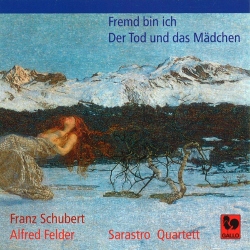

8
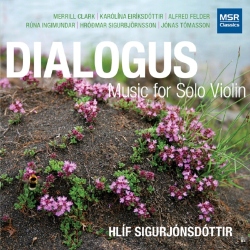
7:40

Copyright Ⓒ 2013 Davinci Finger. All rights reseved
Service Terms & Policy