


Kenneth Dake
Released Album
Choral
-
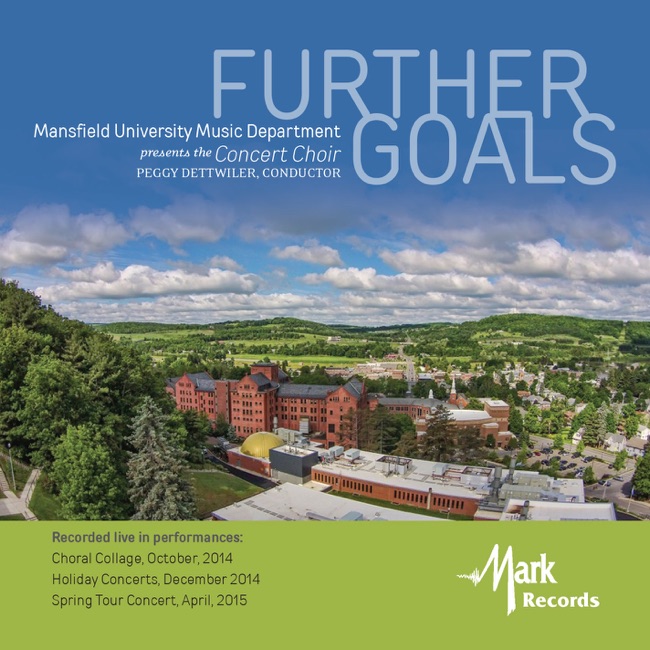 November 13, 2015
Keyboard
-
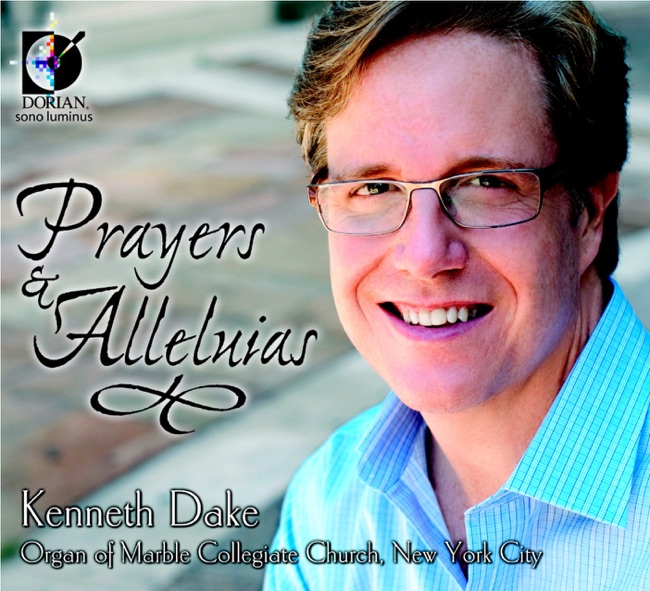 November 16, 2010
Artist Info
Role:ComposerKenneth Dake was a renowned American composer of classical music, born on May 22, 1924, in New York City. He was the youngest of three children born to a family of musicians. His father was a violinist, and his mother was a pianist. Dake's parents recognized his musical talent at an early age and encouraged him to pursue a career in music. Dake began his musical education at the age of six, studying piano with his mother. He later studied composition with the renowned composer Aaron Copland at the Tanglewood Music Center in Massachusetts. Dake also studied at the Juilliard School of Music in New York City, where he earned a Bachelor of Music degree in composition. Dake's early compositions were influenced by the works of Copland and other American composers, such as Samuel Barber and Roy Harris. His music was characterized by its use of folk melodies and rhythms, as well as its incorporation of jazz and blues elements. One of Dake's early works, "Appalachian Spring," was commissioned by the choreographer Martha Graham in 1944. The ballet, which tells the story of a pioneer wedding in the Appalachian Mountains, was an instant success and won the Pulitzer Prize for Music in 1945. The piece has since become one of the most popular works in the classical repertoire. Dake continued to compose throughout the 1950s and 1960s, producing a number of works for orchestra, chamber ensemble, and solo instruments. His compositions during this period were marked by their use of serialism and other modernist techniques. In the 1970s, Dake's music took a new direction, as he began to incorporate electronic and computer-generated sounds into his compositions. He also began to experiment with new forms, such as the opera and the multimedia work. One of Dake's most significant works from this period was "Einstein on the Beach," an opera he composed in collaboration with the director Robert Wilson. The opera, which premiered in 1976, was a groundbreaking work that challenged traditional notions of opera and theater. It featured a non-linear narrative, repetitive musical motifs, and a minimalist stage design. Dake continued to compose throughout the 1980s and 1990s, producing a number of works that reflected his interest in world music and his concern for social and political issues. One of his most notable works from this period was "The Cave," an oratorio he composed in collaboration with the Palestinian musician and composer Omar Al-Khouri. The work, which premiered in 1993, explored the themes of conflict and reconciliation in the Middle East. Dake's music has been performed by some of the world's leading orchestras and ensembles, including the New York Philharmonic, the Boston Symphony Orchestra, and the London Symphony Orchestra. He has received numerous awards and honors for his contributions to music, including the National Medal of Arts, the Kennedy Center Honors, and the Pulitzer Prize for Music. Dake died on February 12, 2014, at the age of 89. His legacy as one of the most important composers of the 20th century continues to be celebrated by musicians and music lovers around the world.More....
Recent Artist Music
Copyright Ⓒ 2013 Davinci Finger. All rights reseved
Service Terms & Policy