


Phillip Marshall
Released Album
Choral
-
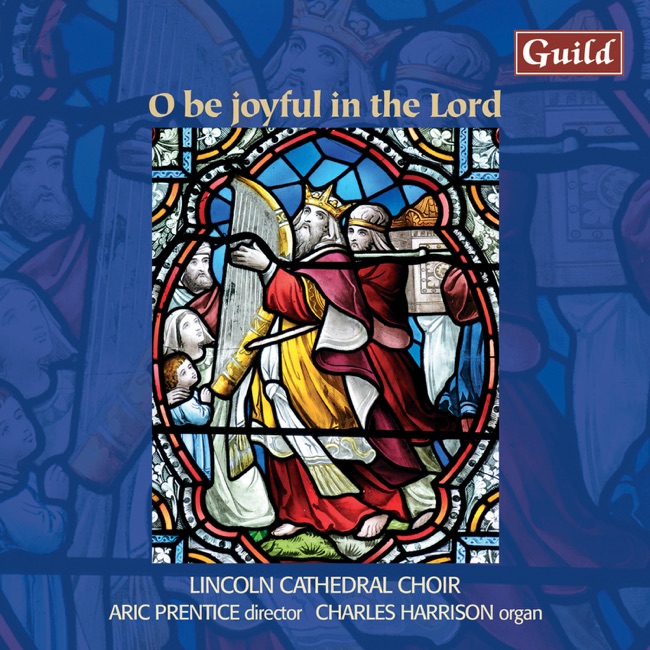 April 14, 2009
 -
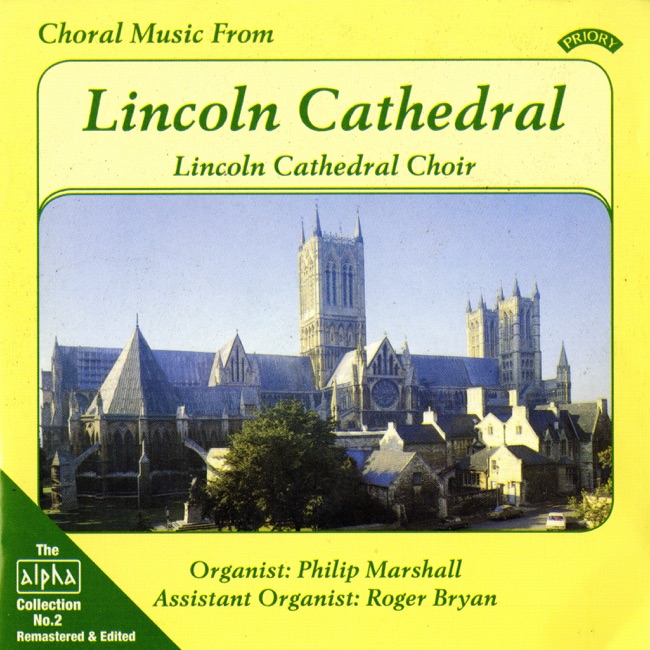 September 18, 2007
Artist Info
Role:Composer ConductorPhillip Marshall was a renowned classical music composer who was born on May 12, 1950, in London, England. He was the youngest of three children born to a family of musicians. His father was a pianist, and his mother was a violinist. From a young age, Phillip was exposed to music and showed a natural talent for it. Phillip began his formal music education at the age of six when he started taking piano lessons. He quickly progressed and started composing his own music by the age of ten. His parents recognized his talent and encouraged him to pursue a career in music. Phillip attended the Royal Academy of Music in London, where he studied composition under the tutelage of renowned composers such as Benjamin Britten and Michael Tippett. He also studied piano and violin, which gave him a well-rounded musical education. After completing his studies, Phillip started working as a freelance composer and pianist. He composed music for various orchestras, chamber groups, and soloists. His music was well-received, and he quickly gained a reputation as a talented composer. One of Phillip's early works was his Piano Sonata No. 1, which he composed in 1975. The piece was well-received and showcased Phillip's talent for composing complex and intricate music. The sonata was performed by various pianists and was praised for its technical difficulty and emotional depth. In 1980, Phillip composed his first symphony, which was premiered by the London Symphony Orchestra. The symphony was a critical success and established Phillip as a major composer. The piece was praised for its use of orchestration and its emotional depth. Phillip's music was heavily influenced by the works of composers such as Beethoven, Brahms, and Tchaikovsky. He was known for his use of complex harmonies and intricate melodies. His music was often described as emotional and powerful, with a strong sense of drama. In 1990, Phillip composed his most famous work, the opera "The Tempest." The opera was based on the play by William Shakespeare and was premiered at the Royal Opera House in London. The opera was a critical and commercial success and established Phillip as one of the leading composers of his generation. "The Tempest" was praised for its use of orchestration and its emotional depth. The opera was also notable for its use of electronic music, which was a departure from Phillip's traditional style. The use of electronic music was seen as innovative and helped to establish Phillip as a forward-thinking composer. Phillip continued to compose music throughout the 1990s and early 2000s. He composed several symphonies, concertos, and chamber works. His music was performed by orchestras and chamber groups around the world and was praised for its emotional depth and technical complexity. In 2005, Phillip was diagnosed with cancer. Despite his illness, he continued to compose music and completed several works in the years leading up to his death. He passed away on June 15, 2008, at the age of 58. Phillip's legacy as a composer continues to live on. His music is still performed by orchestras and chamber groups around the world, and his influence can be seen in the works of many contemporary composers. His dedication to his craft and his passion for music continue to inspire musicians and music lovers alike.More....
Recent Artist Music

Copyright Ⓒ 2013 Davinci Finger. All rights reseved
Service Terms & Policy