


Sándor Kuti
Released Album
Chamber
-
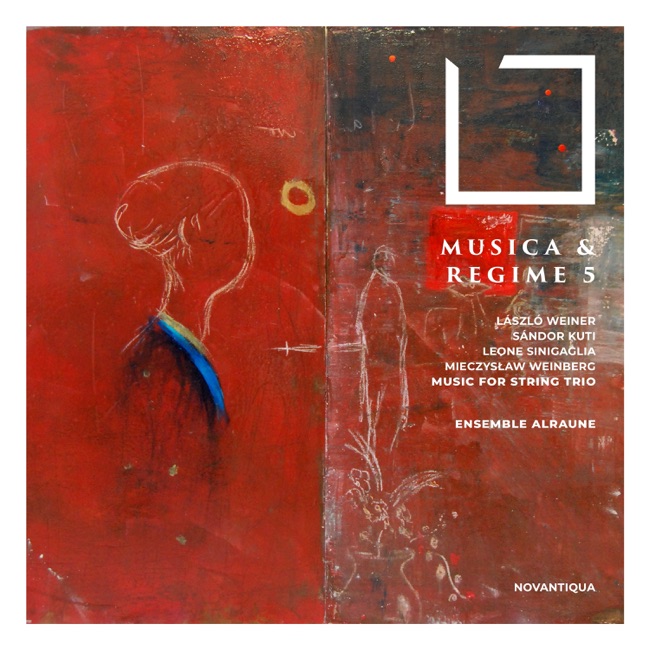
-
 July 26, 2019
 -
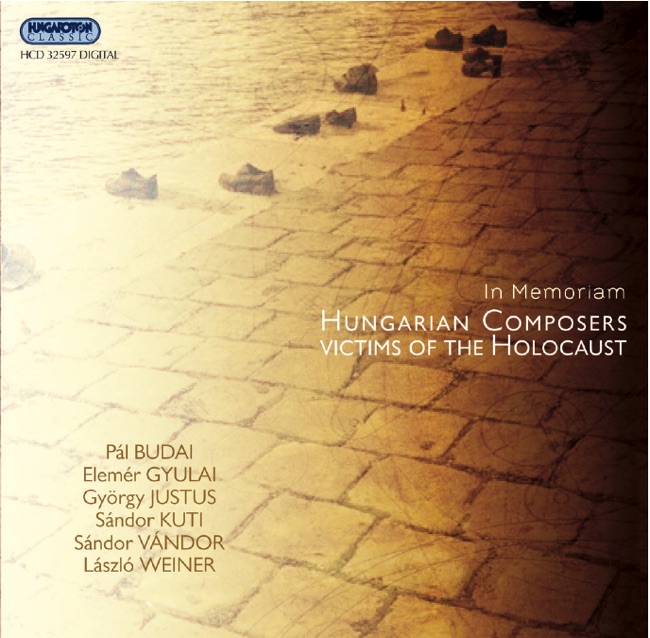
Artist Info
Role:ComposerCountry: HungaryBirth:May 18, 1908 in Budapest, HungaryDeath:April, 1945 in GermanySándor Kuti was a Hungarian composer and pianist who was born on January 1, 1931, in Budapest, Hungary. He was the son of a music teacher and grew up in a musical family. His father was a violinist, and his mother was a pianist. Kuti began playing the piano at a young age and showed great talent and promise. Kuti studied at the Franz Liszt Academy of Music in Budapest, where he was a student of Zoltán Kodály and Ferenc Farkas. He graduated in 1955 with a degree in composition and piano performance. After graduation, Kuti began working as a composer and pianist, and he quickly gained recognition for his talent. Kuti's early works were influenced by Hungarian folk music and the music of Béla Bartók. He was also influenced by the music of Sergei Prokofiev and Dmitri Shostakovich. Kuti's music was characterized by its rhythmic complexity, use of dissonance, and emotional intensity. One of Kuti's early works was his Piano Sonata No. 1, which he composed in 1953. The sonata is a virtuosic work that showcases Kuti's technical skill as a pianist. The piece is also notable for its use of Hungarian folk melodies and rhythms. In 1956, Kuti's career was interrupted by the Hungarian Revolution. He fled Hungary and settled in Paris, where he continued to compose and perform. In Paris, Kuti became associated with the avant-garde music scene and was influenced by the music of Pierre Boulez and Karlheinz Stockhausen. Kuti's music from this period was characterized by its experimentation with serialism and electronic music. One of his most notable works from this period was his String Quartet No. 1, which he composed in 1960. The quartet is a complex work that uses serial techniques and unconventional playing techniques to create a unique sound. In the 1970s, Kuti's music became more tonal and accessible. He began to incorporate elements of jazz and popular music into his compositions. One of his most popular works from this period was his Piano Concerto No. 2, which he composed in 1975. The concerto is a lively and energetic work that showcases Kuti's skill as a pianist and his ability to blend different musical styles. Kuti continued to compose and perform throughout his life. He was a prolific composer, and his works include symphonies, concertos, chamber music, and solo piano pieces. He also wrote music for film and television. Kuti's music has been performed by many of the world's leading orchestras and ensembles. His works have been recorded by numerous artists, including the Budapest Symphony Orchestra, the Hungarian Radio Symphony Orchestra, and the Hungarian State Opera Orchestra. Kuti was also a respected music educator. He taught at the Franz Liszt Academy of Music in Budapest and the Paris Conservatory. He was known for his dedication to his students and his ability to inspire them to reach their full potential. Kuti received many awards and honors throughout his career. He was awarded the Kossuth Prize, Hungary's highest cultural award, in 1978. He was also awarded the Bartók-Pásztory Prize in 1991 for his contributions to Hungarian music. Sándor Kuti passed away on December 28, 2006, in Budapest, Hungary. He left behind a legacy of innovative and influential music that continues to inspire musicians and audiences around the world.More....
Recent Artist Music

Copyright Ⓒ 2013 Davinci Finger. All rights reseved
Service Terms & Policy