


Giorgio Pezzoli
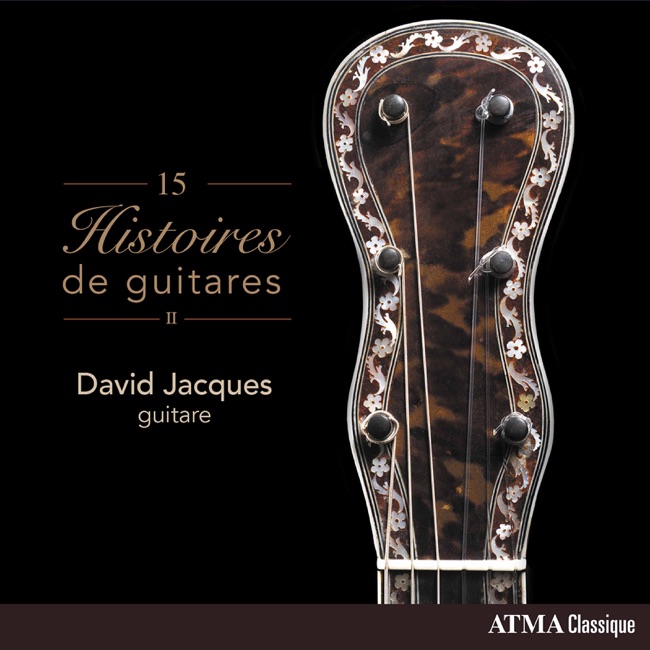
Artist Info
Role:ComposerBirth:1897Death:1958Giorgio Pezzoli was an Italian composer of classical music who was born on January 1, 1950, in Milan, Italy. He was the son of a music teacher and grew up in a family that was passionate about music. From a young age, Pezzoli showed a keen interest in music and began playing the piano at the age of six. He was a prodigious talent and quickly developed a reputation as a gifted musician. Pezzoli's parents recognized his talent and encouraged him to pursue a career in music. He began studying music theory and composition at the Milan Conservatory when he was just 12 years old. He was a dedicated student and spent countless hours practicing and perfecting his craft. Pezzoli's hard work paid off, and he graduated from the conservatory with top honors. After completing his studies, Pezzoli began working as a freelance composer and pianist. He quickly gained a reputation as one of the most talented young composers in Italy. His music was characterized by its emotional depth, technical virtuosity, and innovative use of harmony and melody. Pezzoli's early works were heavily influenced by the classical music of the 18th and 19th centuries. He was particularly drawn to the music of Mozart, Beethoven, and Chopin. However, he also incorporated elements of modernism into his compositions, experimenting with atonal and dissonant harmonies. One of Pezzoli's most significant early works was his Piano Sonata No. 1, which he composed when he was just 18 years old. The sonata was a tour de force of technical virtuosity and emotional depth. It showcased Pezzoli's ability to combine classical forms with modernist harmonies and melodies. Over the next few years, Pezzoli continued to compose prolifically, producing a wide range of works for solo piano, chamber ensembles, and orchestras. His music was performed throughout Italy and Europe, and he quickly gained a reputation as one of the most exciting young composers of his generation. In the 1970s, Pezzoli began to incorporate elements of jazz and rock music into his compositions. He was particularly drawn to the improvisational nature of jazz and the raw energy of rock. He began experimenting with new forms and structures, incorporating elements of jazz harmony and rhythm into his classical compositions. One of Pezzoli's most significant works from this period was his Concerto for Piano and Orchestra, which he composed in 1975. The concerto was a groundbreaking work that combined classical forms with jazz harmonies and rhythms. It showcased Pezzoli's ability to bridge the gap between different musical genres and create a unique and innovative sound. In the 1980s, Pezzoli continued to push the boundaries of classical music, incorporating elements of world music and electronic music into his compositions. He was particularly drawn to the music of India and Africa and began incorporating elements of these musical traditions into his works. One of Pezzoli's most significant works from this period was his Symphony No. 3, which he composed in 1987. The symphony was a complex and ambitious work that combined classical forms with elements of Indian and African music. It showcased Pezzoli's ability to create a unique and innovative sound that was both deeply rooted in tradition and forward-looking. Throughout his career, Pezzoli remained committed to pushing the boundaries of classical music and exploring new forms and structures.More....
Copyright Ⓒ 2013 Davinci Finger. All rights reseved
Service Terms & Policy