


Eduardo Gamboa
Released Album
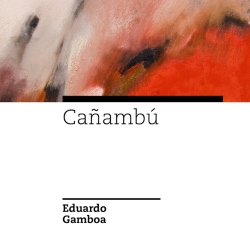
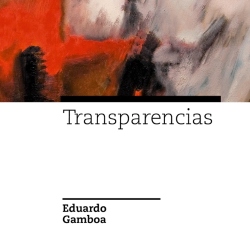
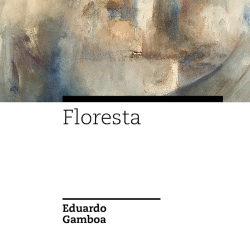
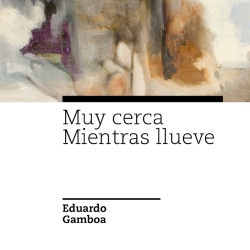
Chamber
-
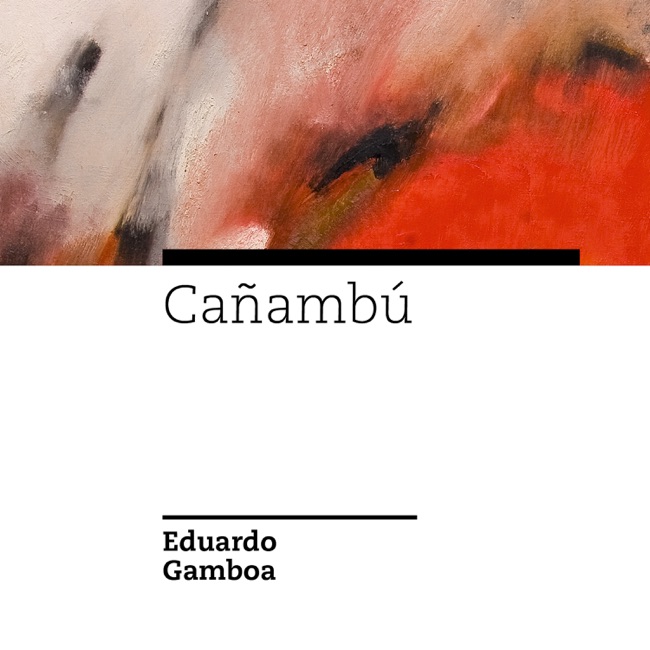 June 29, 2023
 -
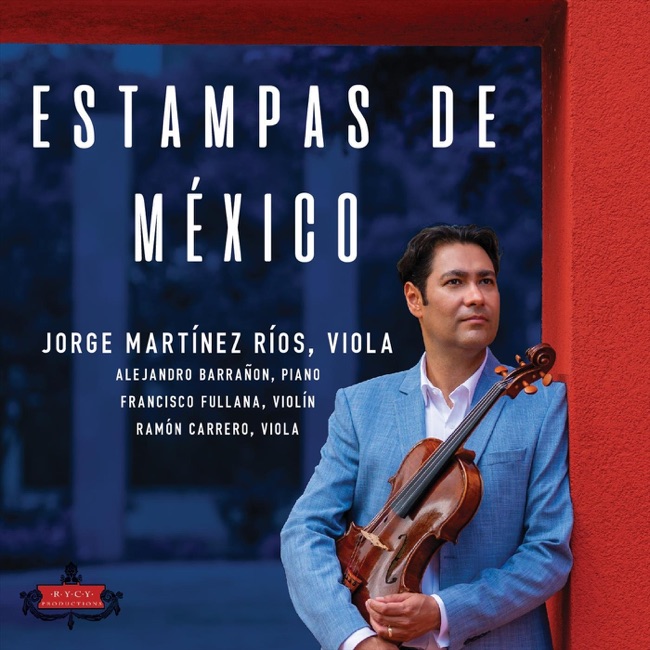 April 27, 2022
 -
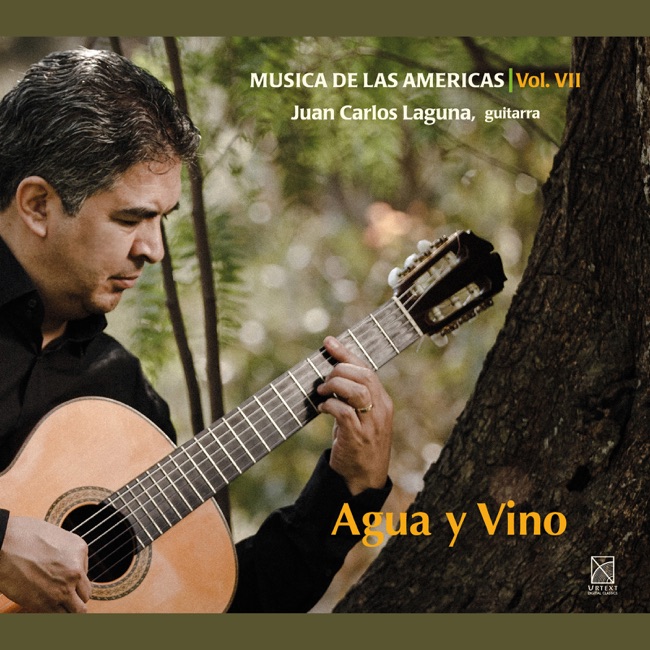 November 16, 2018
 -
 May 16, 2014
 -
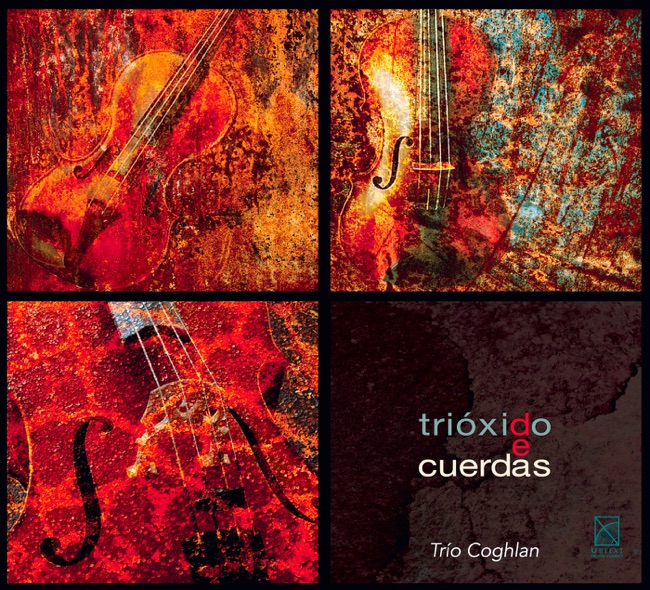 September 27, 2011
 -
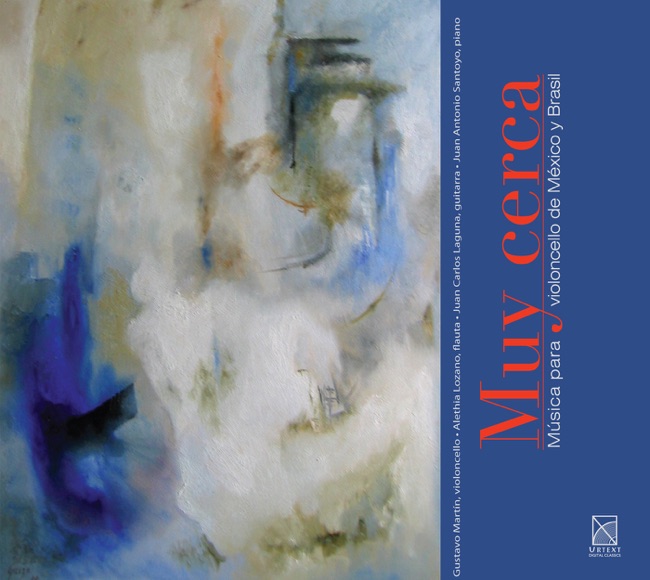 April 8, 2008
Vocal
-
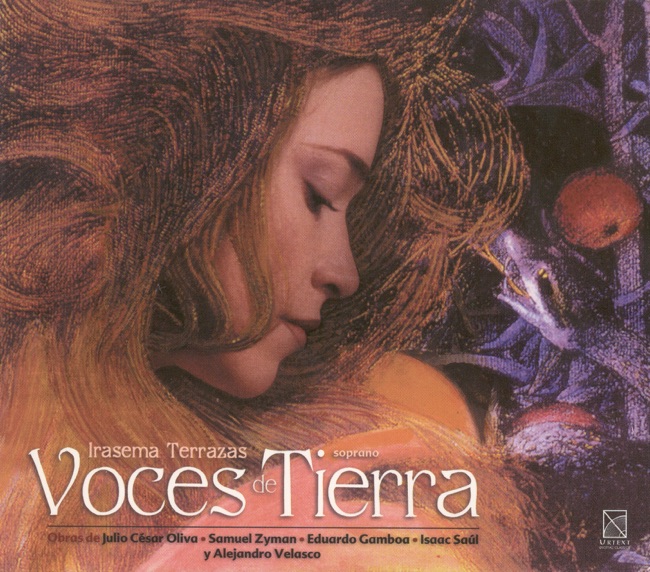 July 11, 2006
Artist Info
Role:ComposerBirth:1960 in Mexico City, MexicoEduardo Gamboa was a renowned classical music composer born on May 12, 1928, in Lima, Peru. He was the youngest of four siblings and grew up in a family that valued music and the arts. His father was a lawyer, and his mother was a pianist who taught him how to play the piano at a young age. Gamboa's love for music grew as he got older, and he began to study music formally. He attended the National Conservatory of Music in Lima, where he studied composition with Rodolfo Holzmann and piano with Rosa Mercedes Ayarza de Morales. He also studied conducting with the famous Austrian conductor Hans Swarowsky in Vienna, Austria. Gamboa's early compositions were heavily influenced by the music of his native Peru. He incorporated traditional Peruvian rhythms and melodies into his works, creating a unique sound that was both modern and rooted in tradition. His first major work, the Suite Peruana, was premiered in 1953 and received critical acclaim. In the 1960s, Gamboa began to experiment with new forms and techniques, incorporating serialism and atonality into his compositions. His works from this period, such as the String Quartet No. 1 and the Piano Sonata No. 2, were more complex and challenging than his earlier works but still retained his distinctive Peruvian sound. Gamboa's music was performed by many of the world's leading orchestras and ensembles, including the Berlin Philharmonic, the Vienna Philharmonic, and the New York Philharmonic. He also served as the director of the National Conservatory of Music in Lima and was a professor of composition at the Pontifical Catholic University of Peru. One of Gamboa's most famous works is the opera La Ciudad Ausente (The Absent City), which premiered in 1988. The opera tells the story of a man who returns to his hometown after many years and finds that it has been destroyed by war. The music is haunting and powerful, with Gamboa's use of traditional Peruvian instruments adding to the emotional impact of the work. Gamboa continued to compose until his death in 2000, leaving behind a legacy of innovative and influential works. His music has been performed and recorded by many of the world's leading musicians and ensembles, and his contributions to the development of classical music in Peru and beyond are widely recognized.More....

Copyright Ⓒ 2013 Davinci Finger. All rights reseved
Service Terms & Policy