


Manuel Chrysaphes
Artist Info
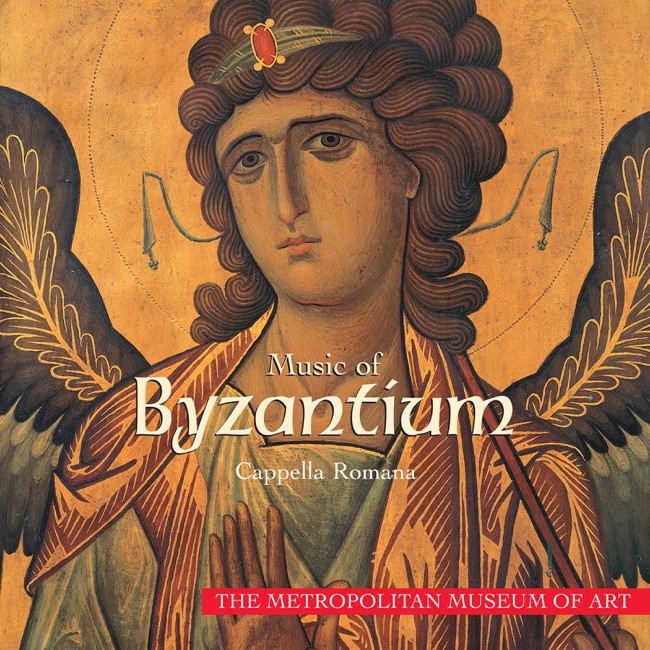
Role:ComposerCountry: GreeceDeath:1440Period:RenaissanceGenre:ChoralVocalManuel Chrysaphes was a prominent composer of Byzantine music during the late 15th century. He was born in Constantinople, the capital of the Byzantine Empire, in the early 1460s. Not much is known about his early life, but it is believed that he received his musical education at the Great Church of Hagia Sophia, which was the center of Byzantine music at the time. Chrysaphes was a member of the imperial choir, which was responsible for performing music at the court of the Byzantine Emperor. He served under three different emperors: Constantine XI Palaiologos, who was the last emperor of the Byzantine Empire, his successor Mehmed II, and Mehmed's son Bayezid II. Chrysaphes was highly respected by the emperors and was appointed as the chief cantor of the imperial choir. Chrysaphes was a prolific composer and is credited with composing over 100 works, although only a few of them have survived to this day. His compositions were mainly liturgical, and he was known for his skill in setting the texts of the Orthodox Church services to music. His music was characterized by its complexity and richness of harmony, and it was highly regarded by his contemporaries. One of Chrysaphes' most famous works is the Cherubic Hymn, which is still performed in Orthodox Church services today. The hymn is a setting of the text "Let us who mystically represent the Cherubim" and is sung during the Great Entrance of the Divine Liturgy. Chrysaphes' version of the hymn is known for its intricate harmonies and use of chromaticism, which was unusual for Byzantine music at the time. Another notable work by Chrysaphes is the Trisagion Hymn, which is a setting of the text "Holy God, Holy Mighty, Holy Immortal, have mercy on us." The hymn is sung during the Divine Liturgy and other Orthodox Church services. Chrysaphes' version of the hymn is known for its use of polyphony, which was a departure from the traditional monophonic style of Byzantine music. Chrysaphes also composed music for the Office of the Dead, which is a series of services held in memory of the departed. His compositions for the Office of the Dead are characterized by their mournful and somber tone, which reflects the solemnity of the occasion. Chrysaphes' music was highly influential and had a lasting impact on Byzantine music. His use of chromaticism and polyphony paved the way for later composers to experiment with new harmonies and textures. His compositions were also widely disseminated throughout the Orthodox world, and his music continues to be performed and studied today. In addition to his musical accomplishments, Chrysaphes was also a respected theologian and scholar. He wrote several treatises on music theory and liturgy, which were highly regarded by his contemporaries. His writings on music theory were particularly influential and helped to establish the principles of Byzantine music theory that are still used today. Chrysaphes' legacy as a composer and scholar continues to be celebrated today. In 2017, the Greek Orthodox Archdiocese of America declared him a saint and established a feast day in his honor on October 28th. His music continues to be performed in Orthodox Church services around the world, and his contributions to Byzantine music are still studied and admired by scholars and musicians alike.More....
Recent Artist Music
Copyright Ⓒ 2013 Davinci Finger. All rights reseved
Service Terms & Policy