


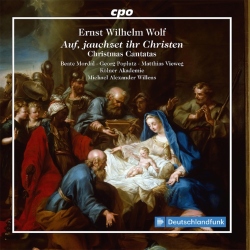
Ernst Wilhelm Wolf
Released Album
Choral
-
 November 18, 2022
 -
-
 August 15, 2007
Symphony
-
 September 20, 2005
Keyboard
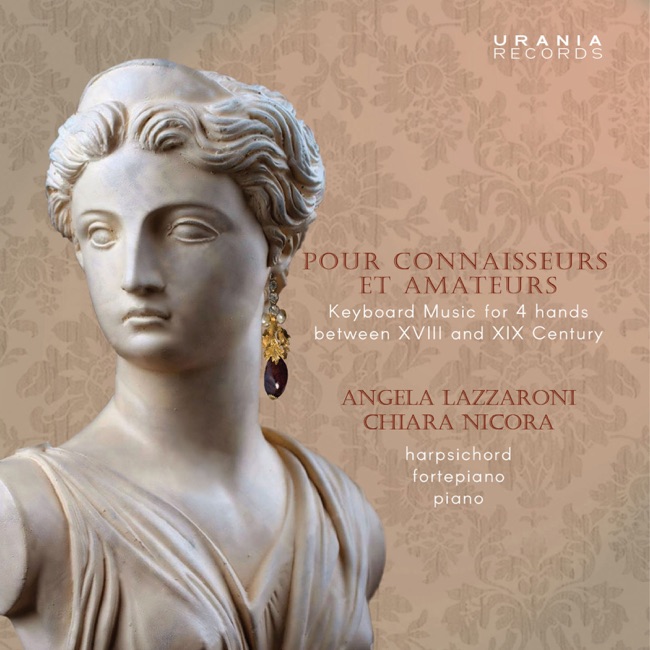
Concerto
-
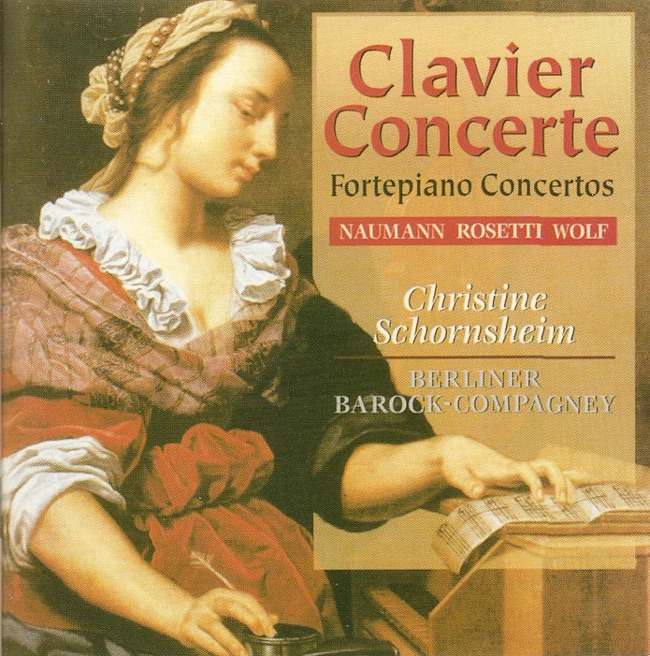 April 16, 2002
Artist Info
Role:ComposerCountry: GermanyBirth:ca. February 2, 1735 in Grossen Behringen, GermanyDeath:ca. November 3, 1792 in Weimar, GermanyPeriod:ClassicalGenre:ConcertoErnst Wilhelm Wolf was a German composer and music theorist who lived during the 18th century. He was born on August 16, 1735, in Grossenhain, Saxony, to a family of musicians. His father, Johann Gottfried Wolf, was a cantor and organist, and his mother, Johanna Rosina, was a singer. Ernst Wilhelm Wolf showed an early interest in music and began his musical education under his father's guidance. Wolf's musical talent was recognized early on, and he was sent to study with Johann Gottlieb Graun, a prominent composer and violinist in Berlin. Wolf studied with Graun for several years and became proficient in playing the violin, viola, and keyboard instruments. He also studied music theory and composition with Graun, who had a significant influence on Wolf's musical style. In 1756, Wolf was appointed as a violinist in the court orchestra of Prince Heinrich of Prussia. He remained in this position for several years and gained valuable experience as a performer and composer. During this time, he also studied with Johann Joachim Quantz, a famous flutist and composer, who further refined Wolf's compositional skills. Wolf's first major composition was his Symphony in D major, which he wrote in 1760. This work was well-received and established Wolf as a promising young composer. He went on to compose several other symphonies, concertos, and chamber music works, which were performed in Berlin and other cities in Germany. In 1766, Wolf was appointed as the Kapellmeister of the court orchestra in Gotha, where he remained for the rest of his life. As Kapellmeister, Wolf was responsible for composing music for the court's religious and secular ceremonies, as well as for directing the orchestra and choir. He also taught music theory and composition to the court's musicians and was highly respected for his pedagogical skills. Wolf's compositional output during his time in Gotha was prolific. He wrote numerous cantatas, oratorios, and other sacred music works, as well as operas, ballets, and instrumental music. His music was characterized by its elegant melodies, clear harmonic structure, and expressive use of counterpoint. One of Wolf's most famous works is his oratorio, Der Tod Jesu (The Death of Jesus), which he composed in 1775. This work, which tells the story of Jesus' crucifixion and death, was highly popular in Germany and was performed frequently in churches and concert halls. It is considered one of the finest examples of German oratorio music from the 18th century. Another notable work by Wolf is his opera, Der Kaufmann von Smyrna (The Merchant of Smyrna), which he composed in 1776. This opera, which tells the story of a merchant who falls in love with a Turkish princess, was well-received and was performed in several German cities. It is notable for its lively and colorful orchestration, as well as its catchy melodies and witty libretto. Wolf's other notable works include his Symphony in C major, his Concerto for Flute and Orchestra in D major, and his Trio Sonata in G major. These works showcase Wolf's mastery of various musical forms and his ability to create music that is both technically sophisticated and emotionally engaging. Ernst Wilhelm Wolf died on October 21, 1792, in Gotha, at the age of 57. He left behind a rich legacy of music that continues to be performed and appreciated today.More....
Recent Artist Music
1
7:15
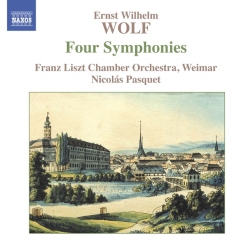
3
3:
4
4:53
5
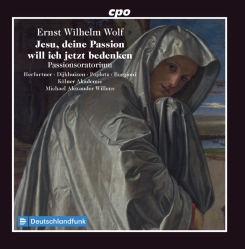
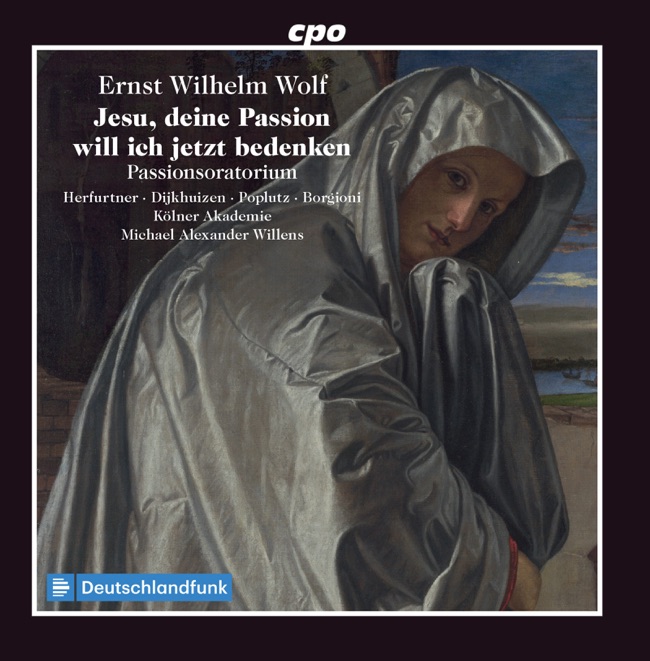
Jesus, I want to think about your passion now
Erste Abteilung: 1. Choral: Jesu, deine Passion will ich jetzt bedenken
55
6
2:56




Copyright Ⓒ 2013 Davinci Finger. All rights reseved
Service Terms & Policy