


Jacob Adolf Hägg
Released Album
Symphony
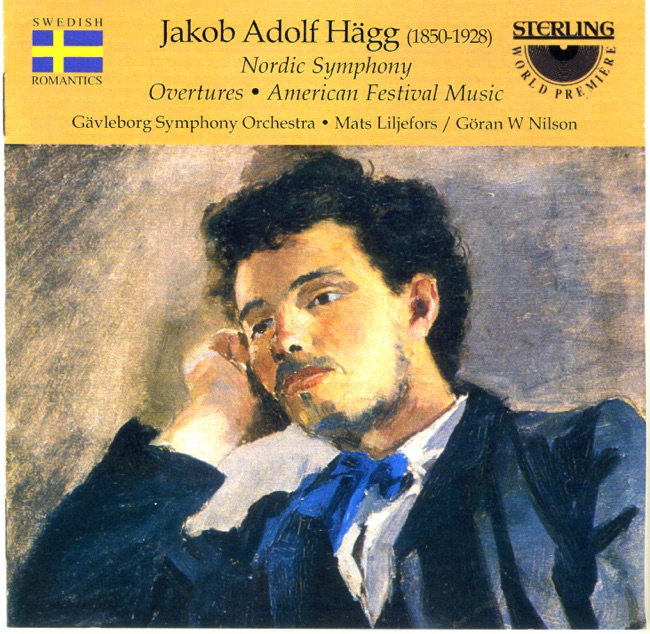
Chamber
-
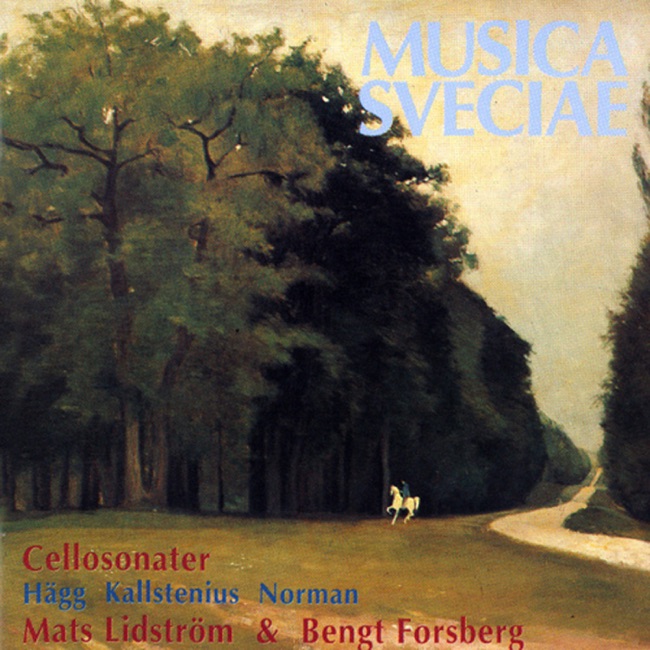 March 1, 2012
Artist Info
Role:ComposerPeriod:RomanticGenre:ChamberKeyboardOrchestralJacob Adolf Hägg was a Swedish composer born on May 7, 1850, in the town of Västerås. He was the son of a music teacher, and his father's profession played a significant role in his early musical education. Hägg showed an early interest in music and began studying the piano and violin at a young age. He also received instruction in music theory and composition from his father. Hägg's musical talent was evident from an early age, and he quickly became known as a prodigy in his hometown. He gave his first public performance at the age of nine and began composing his own music shortly thereafter. Hägg's early compositions were heavily influenced by the Romantic style of music that was popular in Europe at the time. In 1867, Hägg moved to Stockholm to study at the Royal Swedish Academy of Music. He studied composition under the tutelage of Ludvig Norman, a prominent Swedish composer of the time. Hägg's time at the academy was a formative period in his musical development, and he began to experiment with new styles and techniques in his compositions. Hägg's early works were primarily chamber music pieces, including string quartets and piano sonatas. However, he soon began to branch out into other genres, including orchestral music and opera. One of his most significant early works was his Symphony No. 1, which he composed in 1875. The symphony was well-received by critics and helped establish Hägg as a major figure in the Swedish classical music scene. Throughout the 1880s and 1890s, Hägg continued to compose prolifically, producing a wide range of works in various genres. He was particularly known for his operas, which were performed regularly at the Royal Swedish Opera. One of his most famous operas was "Kung Eriks visor," which premiered in 1899. The opera was based on a medieval Swedish legend and was praised for its lush orchestration and dramatic storytelling. Hägg's music was heavily influenced by the natural beauty of Sweden, and he often incorporated elements of Swedish folk music into his compositions. He was also influenced by the music of other European composers, including Wagner and Brahms. However, Hägg's music had a distinctively Swedish character, and he was known for his ability to capture the essence of the Swedish landscape in his music. In addition to his work as a composer, Hägg was also a respected music educator. He taught at the Royal Swedish Academy of Music for many years and was known for his dedication to his students. Many of his students went on to become successful composers and musicians in their own right. Hägg's later years were marked by declining health, and he was forced to retire from teaching in 1915. However, he continued to compose until his death in 1928. His final work, a piano sonata, was completed just a few months before his death. Today, Hägg is remembered as one of Sweden's most important classical composers. His music continues to be performed and recorded, and his influence can be heard in the work of many contemporary Swedish composers. Hägg's legacy is a testament to his talent and dedication to the art of classical music.More....
Recent Artist Music
Copyright Ⓒ 2013 Davinci Finger. All rights reseved
Service Terms & Policy