


Alfred Fissinger
Released Album
Miscellaneous
-
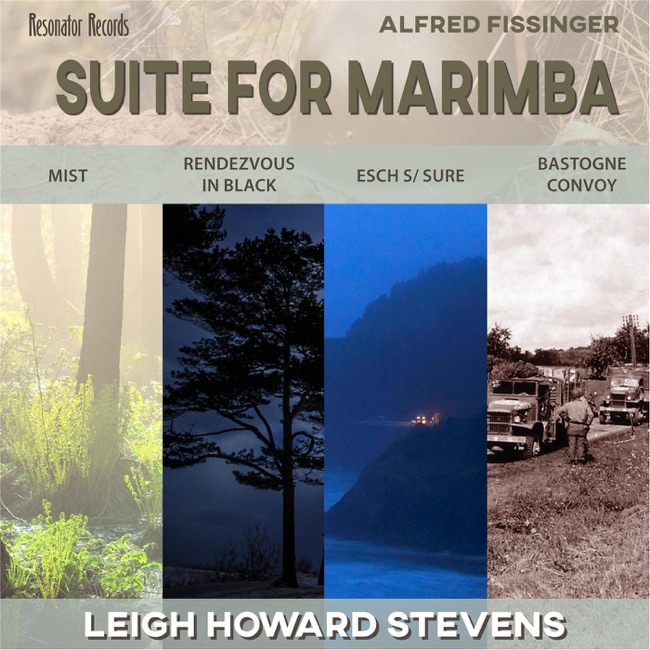 July 21, 2017
 -
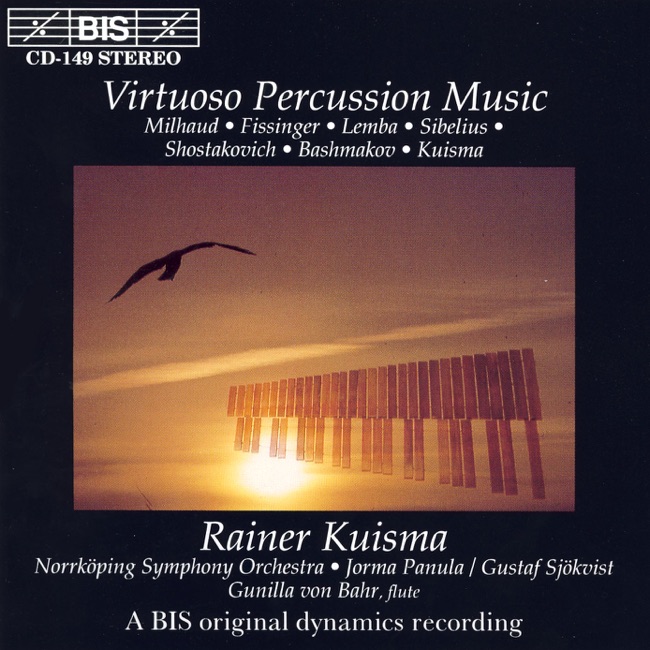 September 22, 1994
Artist Info
Role:ComposerAlfred Fissinger was a renowned American composer of classical music, born on May 5, 1920, in New York City. He was the son of a German immigrant family, and his father was a professional musician who played the violin. Fissinger grew up in a musical environment, and his father's influence played a significant role in his early musical education. Fissinger began his musical training at an early age, studying the piano and violin. He showed exceptional talent and was soon recognized as a prodigy. He attended the Juilliard School of Music in New York City, where he studied composition with Bernard Wagenaar and piano with Rosalyn Tureck. He also studied conducting with Fritz Reiner and Pierre Monteux. Fissinger's early compositions were influenced by the works of Bach, Beethoven, and Brahms. He was also inspired by the music of Stravinsky, Bartok, and Schoenberg. His early works were characterized by their complex harmonies, intricate rhythms, and innovative use of orchestration. Fissinger's breakthrough came in 1948 when he won the prestigious Rome Prize, which allowed him to study in Italy for two years. During his time in Italy, he was exposed to the works of Italian composers such as Verdi, Puccini, and Rossini. He also studied the music of the Renaissance and Baroque periods, which had a profound influence on his later works. Fissinger's compositions were highly regarded by his contemporaries, and he was considered one of the leading American composers of his time. His works were performed by major orchestras and ensembles, including the New York Philharmonic, the Boston Symphony Orchestra, and the Chicago Symphony Orchestra. One of Fissinger's most famous works is his Symphony No. 1, which was premiered by the New York Philharmonic in 1952. The symphony is characterized by its complex harmonies and intricate rhythms, and it showcases Fissinger's innovative use of orchestration. The work was highly praised by critics and established Fissinger as a major figure in American classical music. Fissinger's other notable works include his Piano Concerto, which was premiered by the Boston Symphony Orchestra in 1956. The concerto is characterized by its virtuosic piano writing and its innovative use of orchestration. The work was highly praised by critics and established Fissinger as one of the leading American composers of his time. Fissinger's other notable works include his String Quartet No. 1, which was premiered by the Juilliard String Quartet in 1958. The quartet is characterized by its complex harmonies and intricate rhythms, and it showcases Fissinger's innovative use of string writing. The work was highly praised by critics and established Fissinger as a major figure in American chamber music. Fissinger continued to compose throughout his life, and his later works were characterized by their simplicity and clarity. He was a highly respected teacher and taught at the Juilliard School of Music and the Manhattan School of Music. He also served as the president of the American Academy of Arts and Letters from 1985 to 1990. Fissinger died on December 17, 1990, in New York City. He left behind a legacy of innovative and influential works that continue to be performed and admired by musicians and audiences around the world. His contributions to American classical music have been recognized with numerous awards and honors, including the Pulitzer Prize for Music in 1962.More....
Recent Artist Music
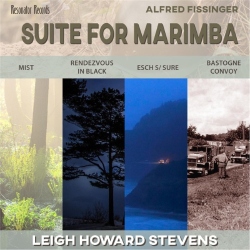



Copyright Ⓒ 2013 Davinci Finger. All rights reseved
Service Terms & Policy