


Lászlo Király
Released Album
Chamber
-
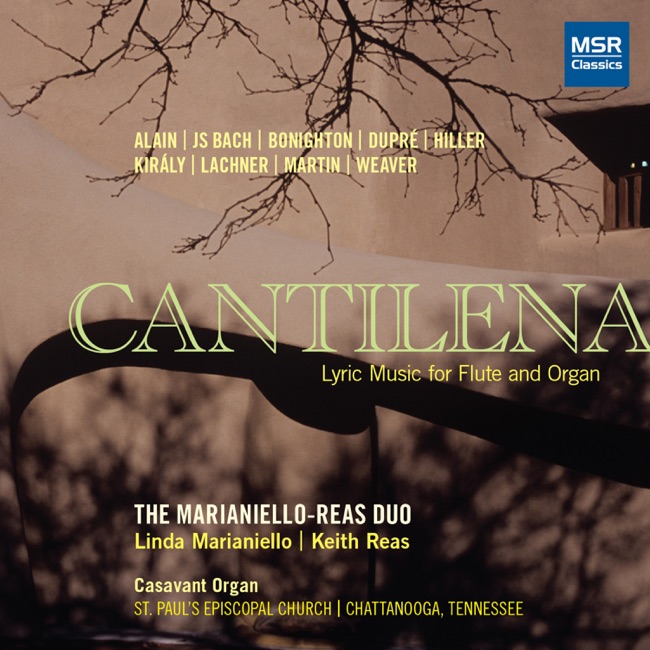 May 10, 2011
 -
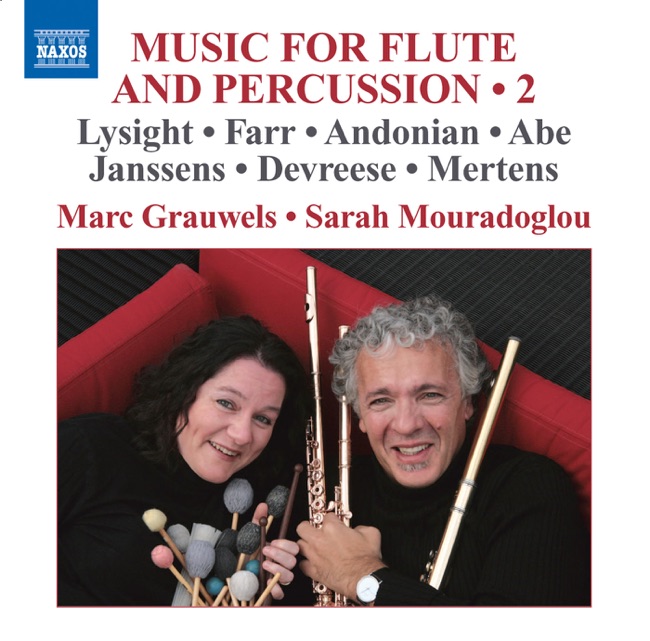 July 27, 2010
 -
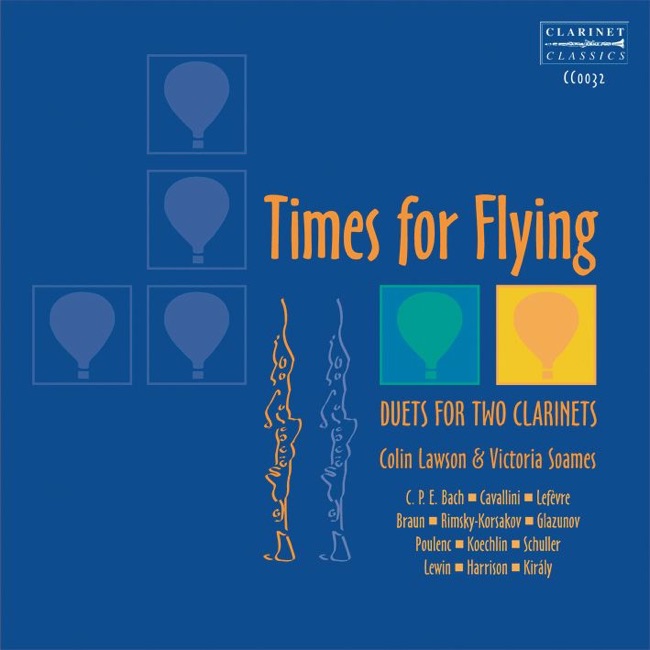 April 24, 2001
Choral
-
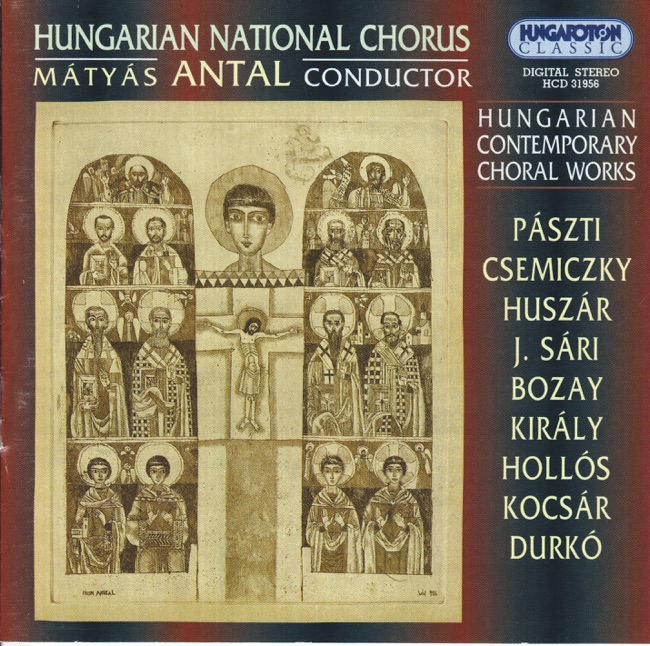 February 26, 2002
Artist Info
Role:ComposerBirth:1954Period:ContemporaryGenre:Avant-GardeChamberChoralLászlo Király was a Hungarian composer who lived from 1909 to 1978. He was born in Budapest, Hungary, and showed an early interest in music. His parents recognized his talent and encouraged him to pursue his passion for music. Király began his musical education at the Franz Liszt Academy of Music in Budapest, where he studied composition with Zoltán Kodály and piano with Béla Bartók. Király's early compositions were heavily influenced by the folk music of Hungary. He was particularly interested in the music of the Roma people, and he incorporated elements of their music into his own compositions. Király's music was also influenced by the works of Bartók and Kodály, who were both pioneers in the field of ethnomusicology. Király's first major work was his Piano Concerto No. 1, which he composed in 1932. The concerto was well-received by audiences and critics alike, and it established Király as a major figure in Hungarian music. The concerto is characterized by its use of folk melodies and rhythms, as well as its virtuosic piano writing. In the years that followed, Király continued to compose works that were inspired by Hungarian folk music. He also began to incorporate elements of modernism into his music, experimenting with atonality and serialism. Király's music was often characterized by its complex rhythms and harmonies, as well as its use of unconventional instruments and techniques. One of Király's most famous works is his Symphony No. 1, which he composed in 1947. The symphony is a powerful and emotional work that reflects the turmoil of the post-war period. The symphony is notable for its use of dissonance and its unconventional orchestration, which includes a large percussion section and a prominent role for the piano. In addition to his orchestral works, Király also composed a number of chamber music pieces. One of his most famous chamber works is his String Quartet No. 1, which he composed in 1952. The quartet is a complex and challenging work that showcases Király's mastery of counterpoint and his ability to create intricate textures with just four instruments. Throughout his career, Király remained committed to the idea of creating a distinctly Hungarian style of music. He believed that music should be rooted in the culture and traditions of the people who created it, and he worked tirelessly to incorporate elements of Hungarian folk music into his own compositions. Király's music was also deeply influenced by his own experiences as a Hungarian living through some of the most tumultuous periods of the country's history. Despite his many accomplishments, Király's music was not always well-received by the Hungarian government. During the communist period, Király's music was often criticized for being too individualistic and not conforming to the ideals of socialist realism. Nevertheless, Király continued to compose music that was true to his own artistic vision, and his music remains an important part of the Hungarian classical music tradition. In conclusion, Lászlo Király was a Hungarian composer who made significant contributions to the classical music tradition. His music was characterized by its use of Hungarian folk music, as well as its incorporation of modernist techniques. Király's works were often complex and challenging, but they were also deeply emotional and reflective of the turbulent times in which he lived.More....
Recent Artist Music
Copyright Ⓒ 2013 Davinci Finger. All rights reseved
Service Terms & Policy