


Juan Pujol
Released Album
Vocal
-
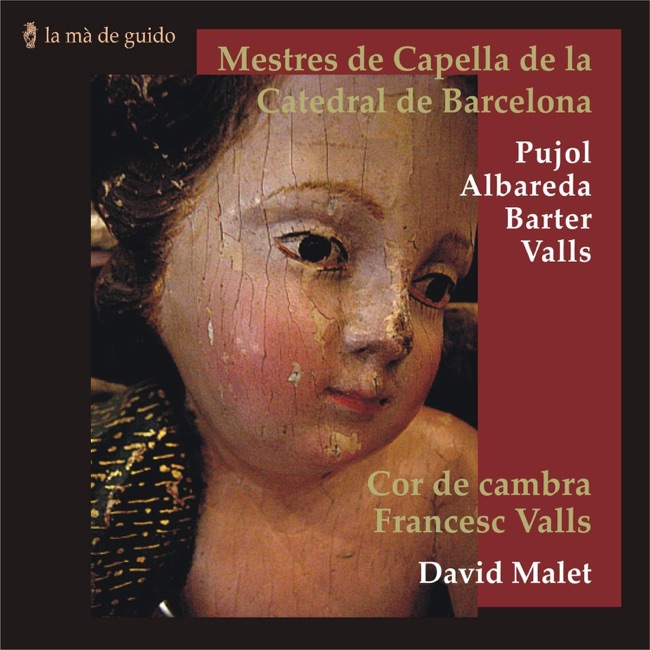 June 10, 2014
 -
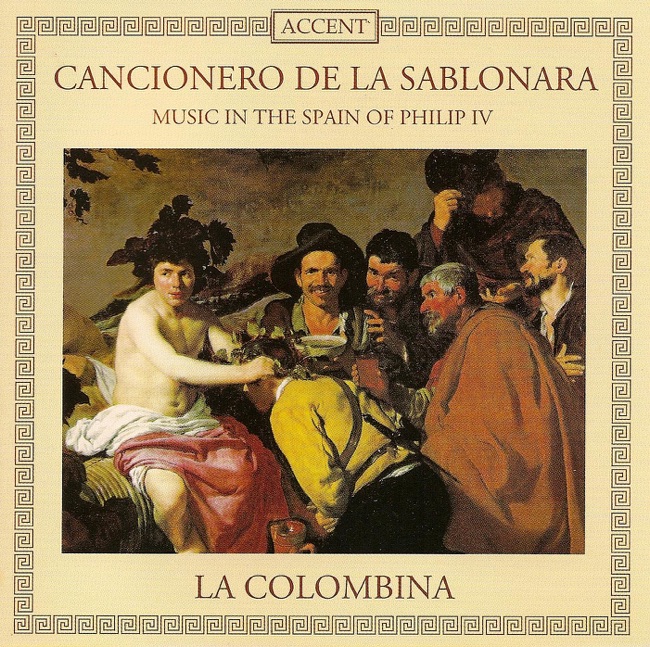 December 15, 1999
Choral
-
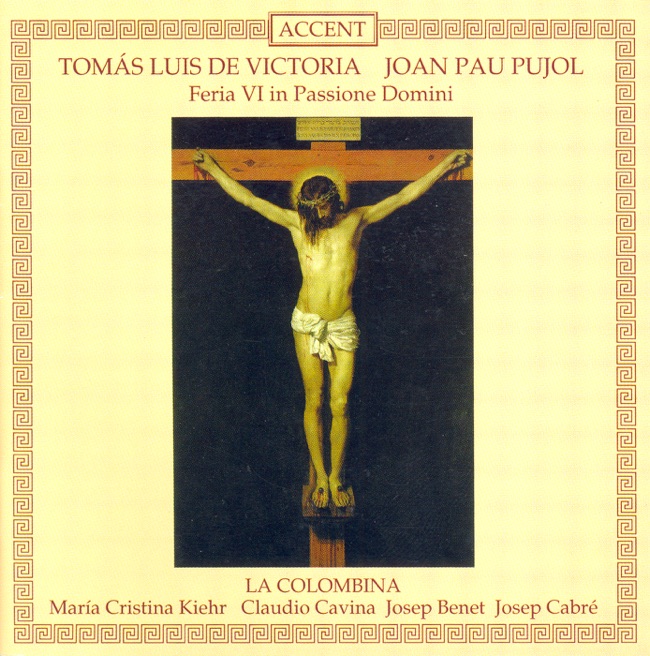 March 4, 2013
Artist Info
Role:ComposerBirth:1570Death:1626Genre:ChoralVocalJuan Pujol was a Spanish composer who lived from 1903 to 1982. He was born in the city of Barcelona, where he began his musical studies at a young age. Pujol showed a natural talent for music, and his parents encouraged him to pursue his passion. He studied piano, harmony, and composition at the Conservatori del Liceu in Barcelona, where he was a student of the renowned composer and conductor Joan Lamote de Grignon. Pujol's early compositions were influenced by the music of his native Catalonia, as well as by the works of other Spanish composers such as Manuel de Falla and Joaquín Rodrigo. He also drew inspiration from the music of other European composers, including Debussy, Ravel, and Stravinsky. Pujol's music was characterized by its lyricism, its use of folk melodies and rhythms, and its incorporation of elements of modernism. One of Pujol's early works was his Suite catalana, which he composed in 1928. The suite consists of four movements, each of which is based on a traditional Catalan dance. The first movement, "Sardana," is a lively dance in 6/8 time, while the second movement, "Jota," is a fast and rhythmic dance in 3/4 time. The third movement, "Ball pla," is a slow and graceful dance in 4/4 time, while the final movement, "Fandango," is a lively and energetic dance in 6/8 time. The Suite catalana was well-received by audiences and critics alike, and it helped to establish Pujol as a promising young composer. In the 1930s, Pujol became interested in the music of the Americas, particularly the music of Argentina and Brazil. He was fascinated by the rhythms and melodies of tango and samba, and he began to incorporate these elements into his own compositions. One of his most famous works from this period is his Suite Buenos Aires, which he composed in 1936. The suite consists of four movements, each of which is based on a different type of Argentine dance. The first movement, "Tango," is a slow and sensual dance in 2/4 time, while the second movement, "Milonga," is a faster and more rhythmic dance in 2/4 time. The third movement, "Chacarera," is a lively and energetic dance in 6/8 time, while the final movement, "Zamba," is a slow and graceful dance in 3/4 time. The Suite Buenos Aires was a great success, and it helped to establish Pujol as one of the leading composers of his generation. During the Spanish Civil War, Pujol was forced to flee Barcelona and go into exile in France. He continued to compose during this period, and he wrote several works that reflected his experiences of exile and displacement. One of these works was his Sonata para guitarra, which he composed in 1939. The sonata is a haunting and melancholy work that reflects the pain and uncertainty of the exile experience. It is written for solo guitar, and it is considered one of the most important works in the guitar repertoire. After the end of the Civil War, Pujol returned to Spain and resumed his career as a composer. He continued to write music that reflected his interest in folk music and modernism, and he also began to experiment with new forms and techniques. One of his most innovative works from this period is his Concierto para piano y orquesta, which he composed in 1953. The concerto is a complex and challenging work that combines elements of traditional Spanish music with avant-garde techniques such as serialism and aleatoric music. It is considered one of the most important works in the Spanish piano concerto repertoire.More....
Recent Artist Music
1
3:26
2
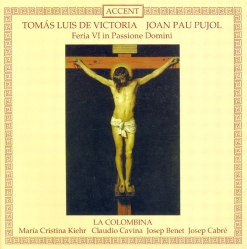
Passio Domini nostri Jesus Christi secundum Joanne
Passio Domini nostri Iesu Christi secundum loannem
29:33
Copyright Ⓒ 2013 Davinci Finger. All rights reseved
Service Terms & Policy