


Robert T. Seeley
Released Album
Choral
-
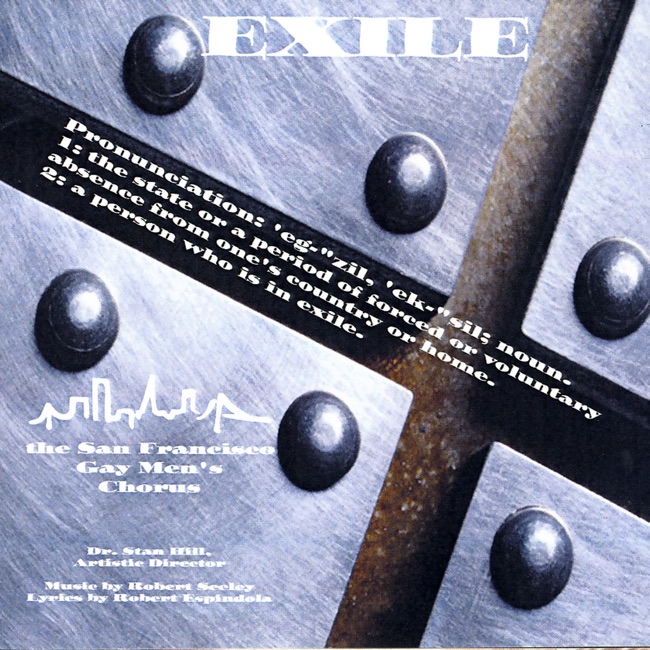 August 2, 2001
 -
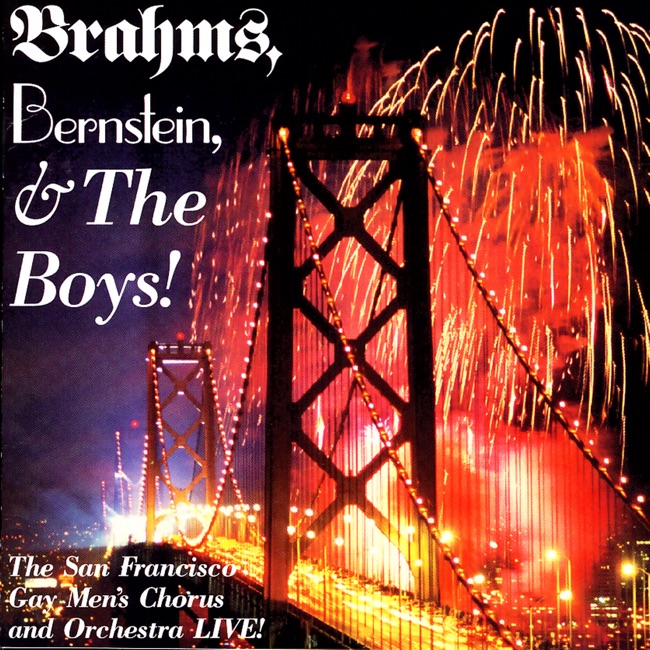 May 10, 1996
 -
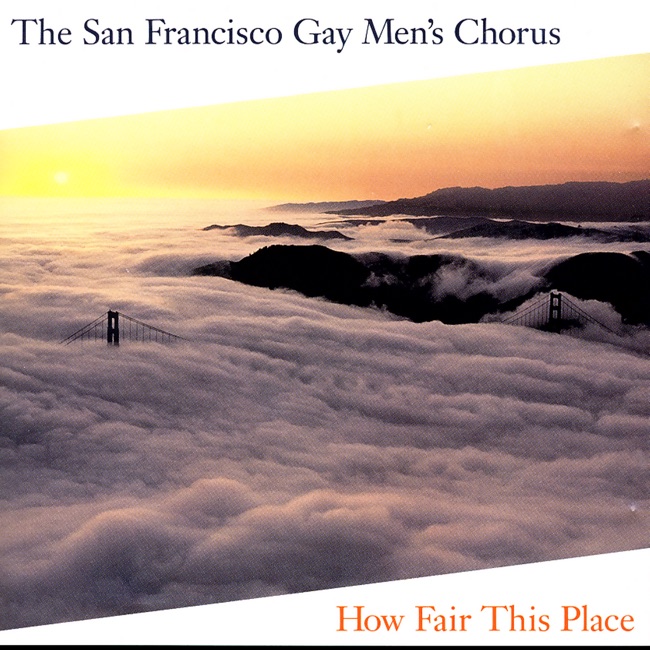 January 1, 1991
Artist Info
Role:Composer ConductorGenre:ChoralRobert T. Seeley was a renowned American composer of classical music, known for his unique style and innovative approach to composition. Born on May 12, 1928, in New York City, Seeley showed an early interest in music and began playing the piano at a young age. His parents recognized his talent and encouraged him to pursue his passion for music. Seeley's formal music education began at the Juilliard School of Music, where he studied composition under the tutelage of Vincent Persichetti. He also studied piano with Rosalyn Tureck and conducting with Jean Morel. Seeley's time at Juilliard was a formative period in his life, and he developed a deep appreciation for classical music and its rich history. After completing his studies at Juilliard, Seeley began his career as a composer, writing music for a variety of mediums, including orchestral works, chamber music, and choral pieces. His early works were heavily influenced by the neoclassical style of composers like Stravinsky and Hindemith, but he soon developed his own unique voice, characterized by complex harmonies and intricate rhythms. One of Seeley's most notable works from this period is his Symphony No. 1, which was premiered by the New York Philharmonic in 1957. The piece was well-received by critics and established Seeley as a rising star in the classical music world. The symphony is characterized by its use of unconventional harmonies and rhythms, as well as its intricate orchestration. Throughout the 1960s and 1970s, Seeley continued to write music that pushed the boundaries of traditional classical music. He experimented with electronic music and incorporated elements of jazz and rock into his compositions. One of his most notable works from this period is his Concerto for Electric Guitar and Orchestra, which was premiered by the Boston Symphony Orchestra in 1972. The piece was groundbreaking in its use of the electric guitar as a solo instrument in a classical context. Seeley's later works were more introspective and reflective, often drawing on his personal experiences and emotions. One of his most notable works from this period is his String Quartet No. 3, which was premiered by the Juilliard String Quartet in 1985. The piece is characterized by its haunting melodies and introspective harmonies, and is considered one of Seeley's most personal works. Throughout his career, Seeley received numerous awards and honors for his contributions to classical music. He was a recipient of the Guggenheim Fellowship, the National Endowment for the Arts Fellowship, and the American Academy of Arts and Letters Award. He was also a member of the American Academy of Arts and Sciences and the American Academy of Arts and Letters. Seeley's legacy as a composer is characterized by his innovative approach to composition and his willingness to push the boundaries of traditional classical music. His music continues to be performed and studied by musicians and scholars around the world, and his influence can be heard in the work of many contemporary composers.More....
Recent Artist Music
Copyright Ⓒ 2013 Davinci Finger. All rights reseved
Service Terms & Policy