


Andrew Schultz
Released Album
Chamber
-
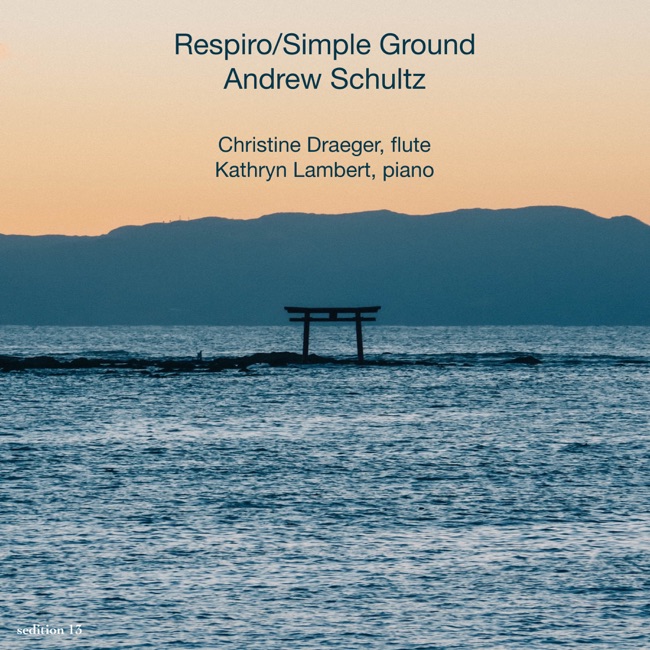 June 18, 2020
 -
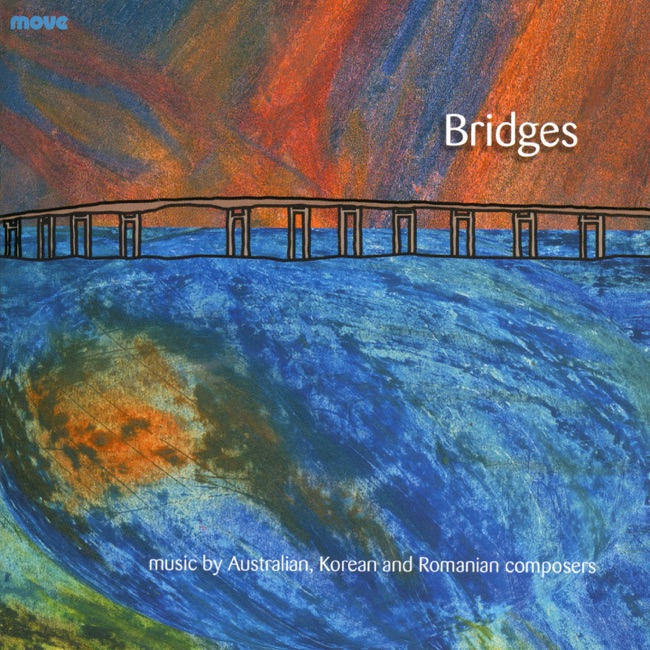 September 1, 2014
 -
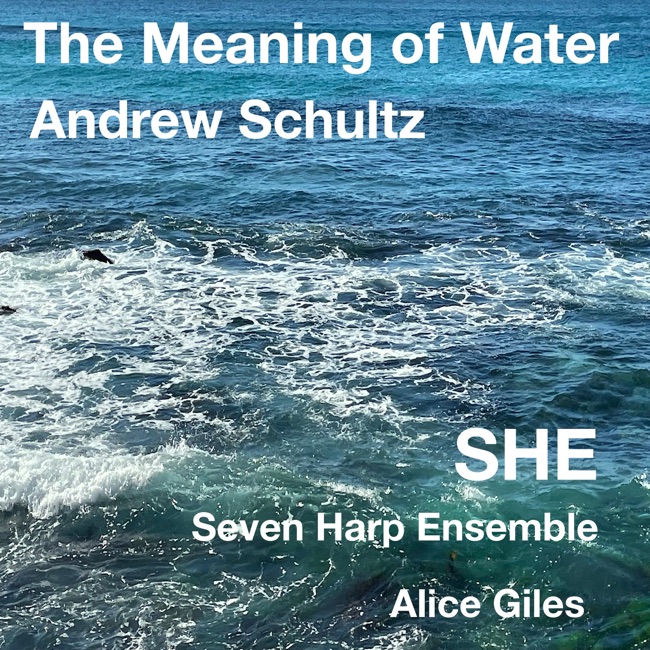
-
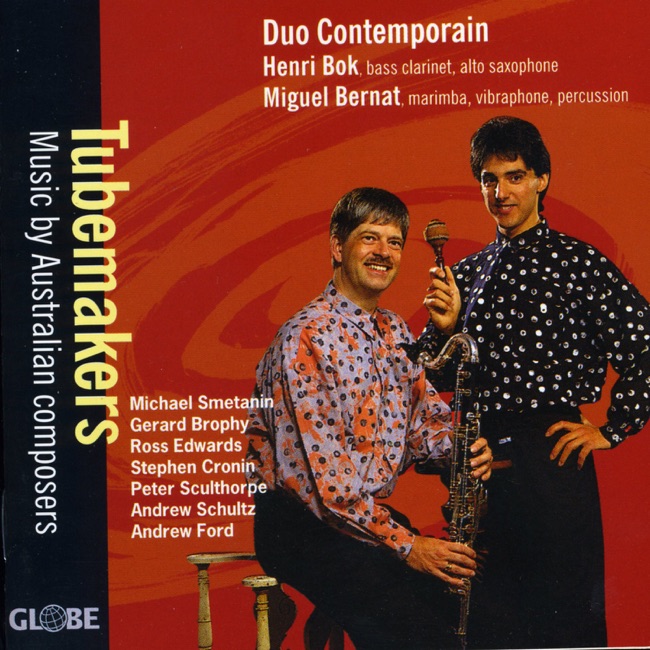 February 15, 1999
Concerto
-
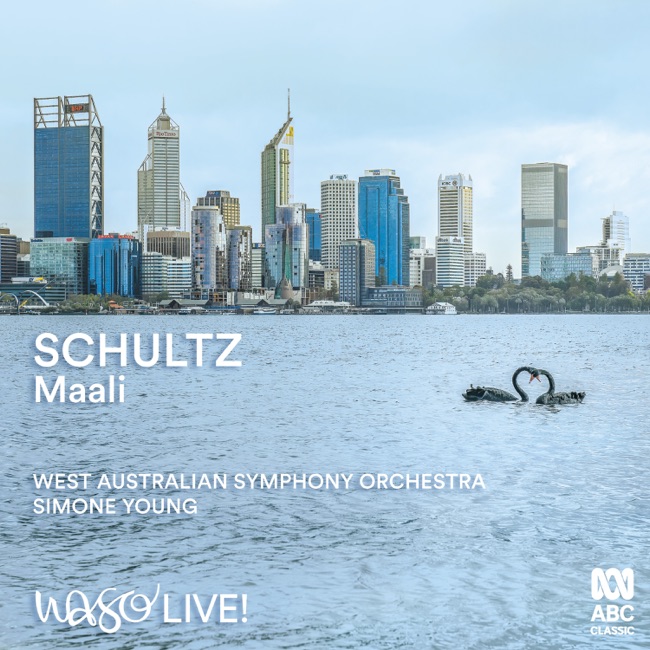 December 11, 2020
 -
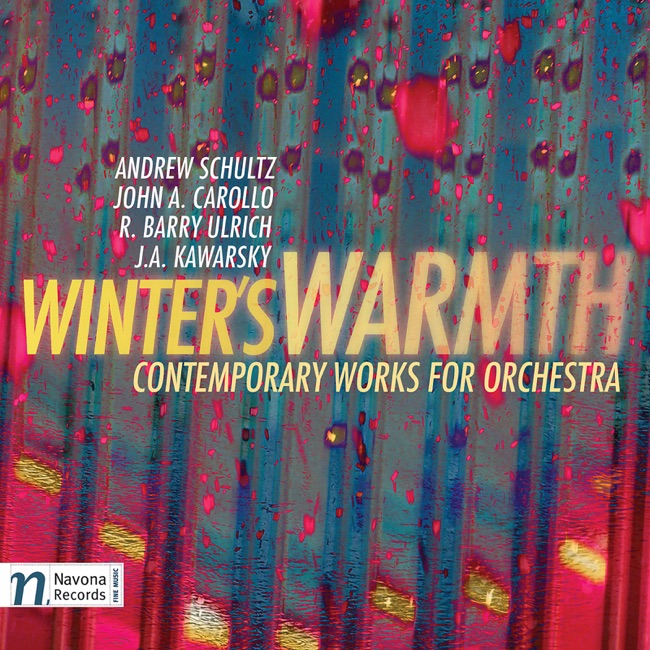 April 14, 2017
 -
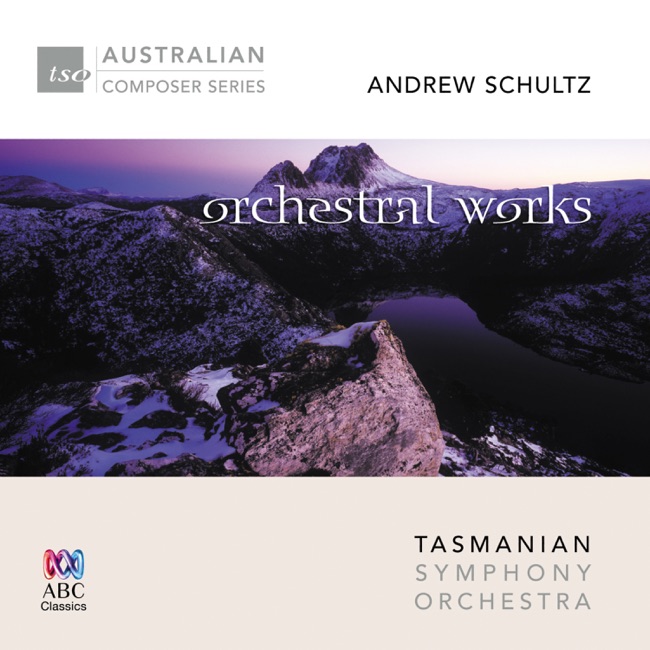 July 1, 2011
Orchestral
-
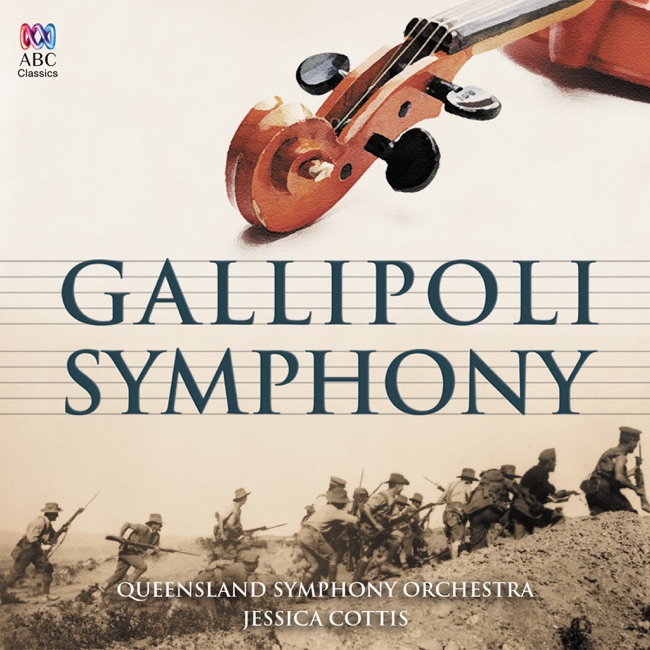 April 15, 2016
Keyboard
-
 March 5, 2013
 -
Artist Info
Role:ComposerCountry: AustraliaBirth:1960 in Adelaide, South Australia, AustraliaPeriod:ContemporaryGenre:ChamberKeyboardVocalAndrew Schultz is a renowned Australian composer who has made significant contributions to the world of classical music. Born on August 16, 1960, in Adelaide, South Australia, Schultz grew up in a family of musicians. His father was a pianist, and his mother was a singer, which exposed him to music at an early age. Schultz started playing the piano when he was six years old and later learned to play the trumpet and guitar. Schultz attended the Elder Conservatorium of Music at the University of Adelaide, where he studied composition with Richard Meale and Peter Sculthorpe. He graduated with a Bachelor of Music degree in 1982 and went on to complete a Master of Music degree at the University of Melbourne in 1985. Schultz also studied at the Institute of Sonology in Utrecht, Netherlands, where he learned about electronic music. Schultz's early works were influenced by the minimalist and post-minimalist styles of composers such as Steve Reich and Philip Glass. His music was characterized by repetitive patterns and a focus on rhythm and texture. However, Schultz's style evolved over time, and he began to incorporate more complex harmonies and melodic lines into his compositions. One of Schultz's early works, "Journey to Horseshoe Bend," was inspired by the novel of the same name by Australian author T.G.H. Strehlow. The piece, which was written for string quartet, was premiered in 1988 and received critical acclaim. Schultz's other early works include "The Persistence of Memory," a piece for solo piano, and "The Meaning of Water," a work for orchestra. In the 1990s, Schultz's music became more experimental, and he began to incorporate electronic elements into his compositions. His work "The Bellbird Psalms," which was written for choir and electronics, was premiered in 1993 and won the prestigious Paul Lowin Prize for composition. Schultz's other works from this period include "The Children's Bach," an opera based on the novel by Australian author Helen Garner, and "The Age of Reason," a work for orchestra and electronics. Schultz's music continued to evolve in the 2000s, and he began to explore new forms and structures. His work "Deep Field," which was written for orchestra, was inspired by the Hubble Space Telescope's Deep Field images and premiered in 2004. The piece was praised for its use of space and texture and was performed by orchestras around the world. Schultz's other works from this period include "The Grief of Antigone," a work for choir and orchestra based on the Greek tragedy by Sophocles, and "The Endling," a work for solo cello and orchestra inspired by the extinction of species. Schultz also wrote several works for chamber ensembles, including "The Night Parrot," a piece for flute, clarinet, and piano, and "The Song of Songs," a work for soprano and string quartet. In recent years, Schultz's music has continued to receive critical acclaim, and he has been commissioned by orchestras and ensembles around the world. His works have been performed at major festivals, including the BBC Proms and the Sydney Festival, and he has received numerous awards and honors for his contributions to classical music. Schultz is also a respected music educator and has taught at several universities in Australia and the United States.More....
Recent Artist Music
2
Jesus At the Sepulchre
Part 1. No. 1. Sinfonia. No. 2. Recitativo. Cieli voi. No. 3. Aria. Palesate, miei lumi
7:11

Copyright Ⓒ 2013 Davinci Finger. All rights reseved
Service Terms & Policy