


Hans Eklund
Released Album
Chamber
-
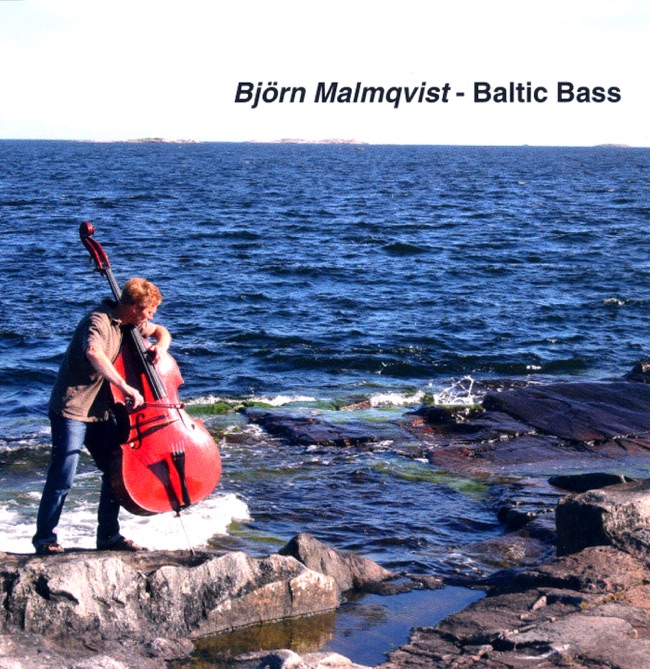 November 21, 2006
 -
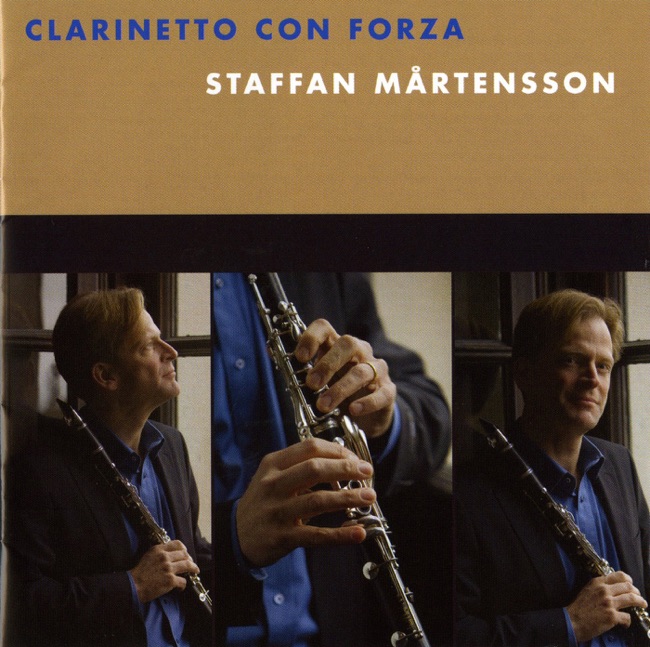 August 15, 2006
 -
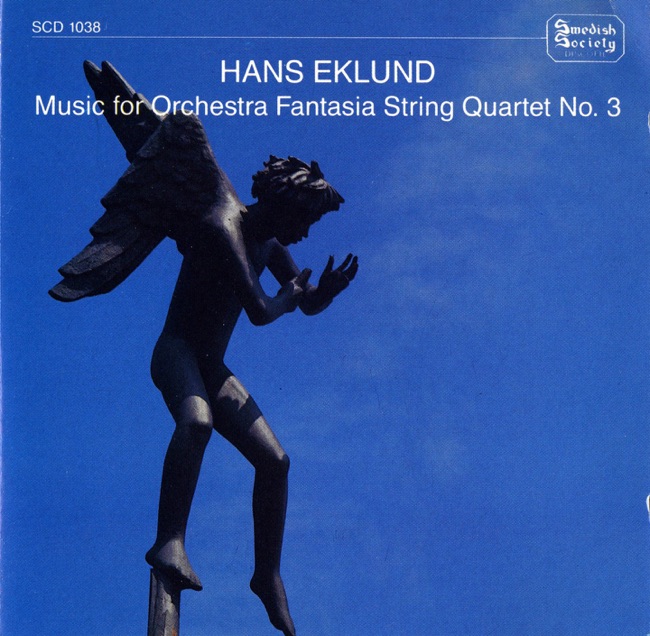 January 2, 2001
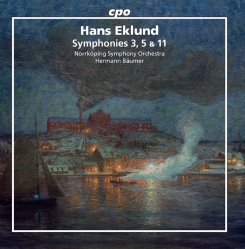
Symphony
-
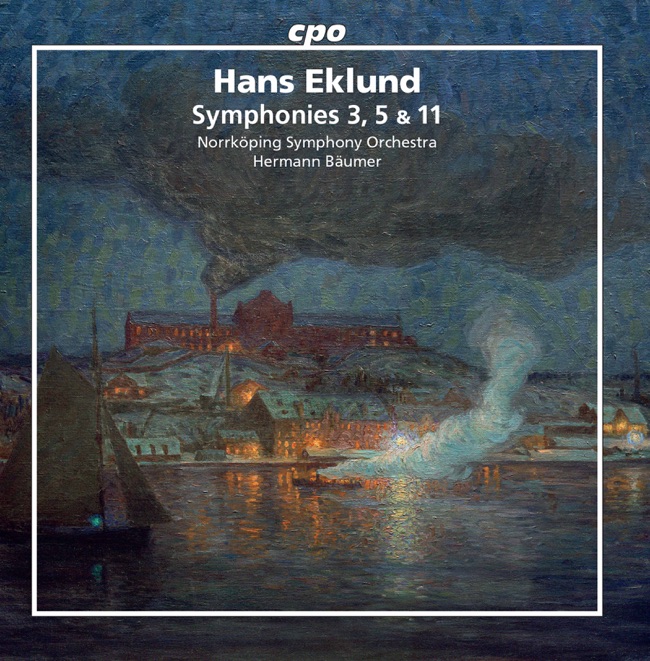 September 4, 2020
Artist Info
Role:ComposerBirth:July 1, 1927Period:ContemporaryGenre:ChamberChoralConcertoKeyboardOrchestralHans Eklund was a Swedish composer who was born on May 12, 1927, in Stockholm, Sweden. He was the son of a music teacher and grew up in a musical family. His father was a violinist and his mother was a pianist. Eklund showed an early interest in music and began playing the piano at the age of six. He later learned to play the violin and the cello. Eklund studied music at the Royal College of Music in Stockholm, where he was a student of the composer Lars-Erik Larsson. He also studied composition with the composer Karl-Birger Blomdahl. Eklund graduated from the Royal College of Music in 1951 and went on to study at the Mozarteum in Salzburg, Austria. Eklund's early works were influenced by the neoclassical style of Stravinsky and Hindemith. His first major work was his Symphony No. 1, which he composed in 1953. The symphony was well-received and established Eklund as a promising young composer. In the 1960s, Eklund began to experiment with electronic music. He composed several works for tape, including "Electronic Music No. 1" and "Electronic Music No. 2." These works were groundbreaking at the time and helped to establish Eklund as a pioneer in the field of electronic music. Eklund's most famous work is his opera "The Last Judgment," which he composed in 1975. The opera is based on the biblical story of the Last Judgment and features a large orchestra, chorus, and soloists. The opera was premiered in Stockholm in 1975 and was a critical and commercial success. It has since been performed in many countries around the world. Eklund continued to compose throughout his life and was active until his death in 1999. His later works were more experimental and incorporated elements of jazz and rock music. He also continued to work with electronic music and composed several works for computer-generated sound. Eklund's music is characterized by its clarity and precision. He was a master of orchestration and his works are known for their colorful and imaginative use of instruments. His music is also notable for its rhythmic complexity and its use of unconventional time signatures. In addition to his work as a composer, Eklund was also a respected music educator. He taught at the Royal College of Music in Stockholm and was a mentor to many young composers. He was also a member of several music organizations, including the Swedish Society of Composers and the International Society for Contemporary Music. Eklund's contributions to the world of classical music have been significant. His innovative use of electronic music helped to pave the way for future generations of composers. His operas and orchestral works are still performed today and continue to inspire audiences around the world.More....
Recent Artist Music

Copyright Ⓒ 2013 Davinci Finger. All rights reseved
Service Terms & Policy