


Zavel Zilberts
Released Album
Vocal
-
-
 March 22, 2005
 -
 May 18, 2004
 -
 April 7, 1992
Choral
-
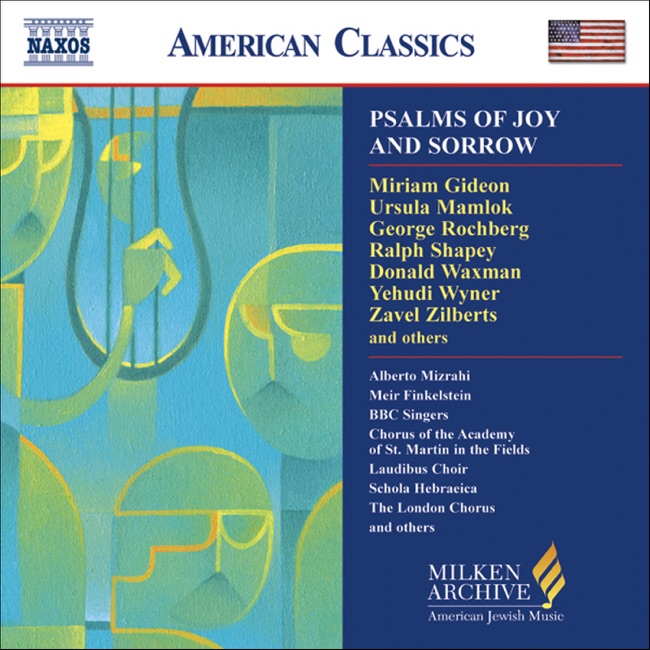 October 31, 2006
Artist Info
Role:ComposerBirth:1881 in Karlin, BelarusDeath:1949Genre:VocalZavel Zilberts was a Latvian composer and pianist who was born on August 28, 1919, in Riga, Latvia. He was the youngest of four children in a Jewish family. His father was a cantor and his mother was a pianist. Zilberts showed an early interest in music and began playing the piano at the age of four. He received his first formal music education at the Riga Conservatory, where he studied piano and composition. In 1941, during World War II, Zilberts and his family were forced to flee Latvia due to the Nazi occupation. They eventually settled in Uzbekistan, where Zilberts continued his music studies at the Tashkent Conservatory. He graduated in 1945 and began working as a pianist and composer in Tashkent. Zilberts' early compositions were influenced by the folk music of his native Latvia and the music of his Jewish heritage. He also drew inspiration from the music of other cultures, including Uzbek, Tajik, and Kazakh music. His music was characterized by its use of modal scales, irregular rhythms, and unconventional harmonies. In 1950, Zilberts moved to Moscow to study composition at the Moscow Conservatory. He studied with some of the most prominent composers of the time, including Dmitri Shostakovich and Aram Khachaturian. While in Moscow, Zilberts also worked as a pianist and composer for the Moscow Jewish Theater. Zilberts' compositions from this period include his Piano Sonata No. 1, which was premiered in Moscow in 1952, and his String Quartet No. 1, which was premiered in Leningrad in 1953. These works were well-received and helped establish Zilberts as a rising star in the Soviet music scene. In 1956, Zilberts returned to Latvia and began working as a composer and pianist in Riga. He continued to draw inspiration from the folk music of Latvia and the music of his Jewish heritage. He also began incorporating elements of modernism into his music, including serialism and aleatoric techniques. Zilberts' compositions from this period include his Piano Sonata No. 2, which was premiered in Riga in 1958, and his Symphony No. 1, which was premiered in Moscow in 1960. These works were praised for their originality and innovation. In the 1960s and 1970s, Zilberts continued to compose and perform in Latvia and throughout the Soviet Union. He also began to receive international recognition for his music. In 1965, his String Quartet No. 2 was awarded first prize at the International String Quartet Competition in Liège, Belgium. In 1970, his Symphony No. 2 was premiered in New York City by the American Symphony Orchestra. Zilberts' compositions from this period include his Piano Concerto, which was premiered in Riga in 1963, and his Symphony No. 3, which was premiered in Moscow in 1972. These works continued to showcase Zilberts' unique blend of folk music, modernism, and Jewish musical traditions. In the 1980s and 1990s, Zilberts continued to compose and perform, despite failing health. He was awarded the Latvian State Prize for Music in 1989 and the Order of the Three Stars, Latvia's highest civilian honor, in 1999. Zilberts' compositions from this period include his String Quartet No. 3, which was premiered in Riga in 1982, and his Symphony No. 4, which was premiered in Riga in 1990. These works continued to showcase Zilberts' unique musical voice and his commitment to exploring new musical ideas.More....
Recent Artist Music
8
3:39
Copyright Ⓒ 2013 Davinci Finger. All rights reseved
Service Terms & Policy