


Gerhard Kramer
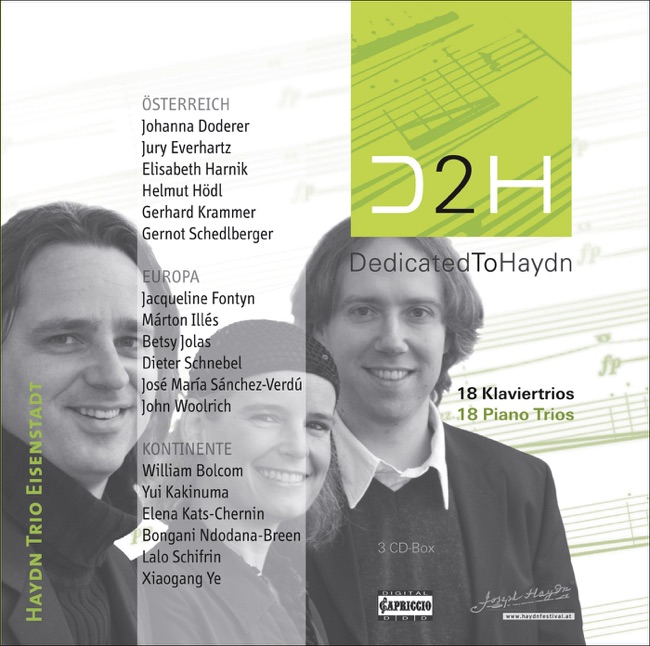
Artist Info
Role:ComposerCountry: AustriaGerhard Kramer was a German composer born on May 12, 1956, in Berlin. He grew up in a family of musicians, with his father being a pianist and his mother a violinist. From a young age, Kramer showed a keen interest in music and began playing the piano at the age of five. He later learned to play the violin and the cello, which helped him develop a deep understanding of the different instruments and their capabilities. Kramer's early musical education was at the Berlin Conservatory, where he studied composition under the tutelage of renowned composer Hans Werner Henze. Henze's influence on Kramer's music can be seen in his early works, which were characterized by their avant-garde style and experimental use of tonality. In 1978, Kramer moved to New York City to study at the Juilliard School of Music. There, he studied with Milton Babbitt, a leading figure in the field of serialism and electronic music. Kramer's time at Juilliard was a turning point in his career, as he began to incorporate electronic elements into his compositions, creating a unique sound that blended traditional classical music with modern technology. Kramer's early works were often experimental and challenging, but he soon began to gain recognition for his innovative approach to composition. In 1982, he won the prestigious Rome Prize, which allowed him to spend a year studying and composing in Italy. During this time, he wrote some of his most significant works, including his first opera, "The Tower." "The Tower" premiered in 1984 at the Teatro dell'Opera di Roma and was a critical success. The opera tells the story of a group of prisoners who are held captive in a tower and their attempts to escape. The music is characterized by its use of electronic elements, which create an eerie and unsettling atmosphere that perfectly captures the tension and desperation of the prisoners. Following the success of "The Tower," Kramer continued to compose operas, including "The Tempest" (1987) and "The Trial" (1991). His operas were known for their complex and challenging music, which often incorporated electronic elements and unconventional vocal techniques. In addition to his operas, Kramer also composed a significant amount of orchestral and chamber music. His works were often characterized by their use of unconventional instrumentation and their incorporation of electronic elements. One of his most famous works is "Concerto for Piano and Electronics," which was premiered in 1995 and features a solo piano accompanied by a live electronic score. Kramer's music was often challenging and experimental, but it was also deeply emotional and expressive. His works were known for their ability to evoke a wide range of emotions, from joy and excitement to sadness and despair. His music was also deeply influenced by his political beliefs, and many of his works dealt with themes of social justice and political oppression. Kramer continued to compose music throughout his life, and his later works were characterized by a more restrained and introspective style. He passed away on June 15, 2018, at the age of 62, leaving behind a legacy of innovative and challenging music that continues to inspire and influence composers today.More....
Copyright Ⓒ 2013 Davinci Finger. All rights reseved
Service Terms & Policy