


Phyllis Tate
Released Album
Orchestral
-
 January 12, 2010
 -
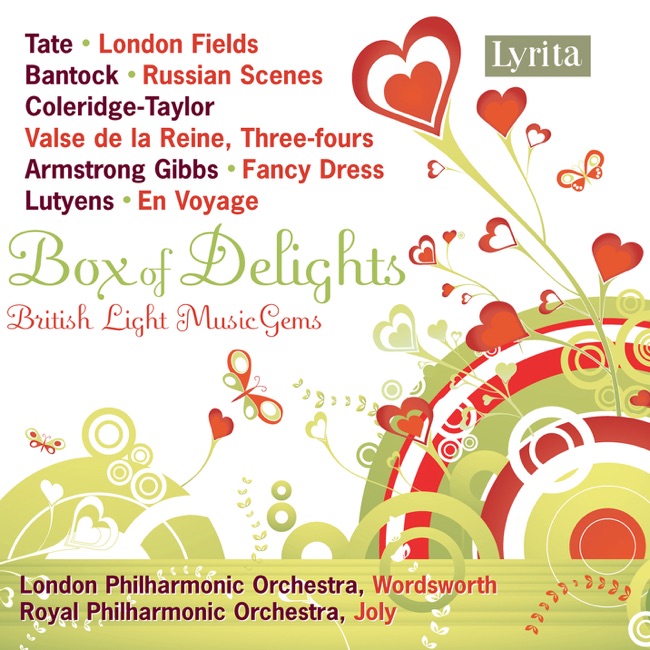 June 12, 2007
Vocal
Concerto
-
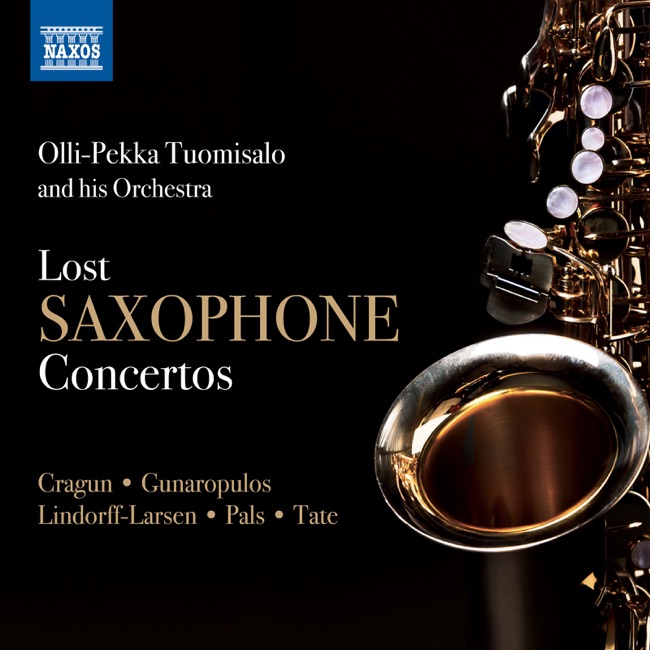 September 14, 2018
Artist Info
Role:ComposerCountry: United KingdomBirth:1911 in Gerrards Cross, BuckinghamshireDeath:1987Genre:ChamberOrchestralPhyllis Tate was a British composer who was born on April 6, 1911, in Salisbury, Wiltshire. She was the daughter of a clergyman and grew up in a musical family. Her mother was a pianist, and her father played the organ. Tate began playing the piano at a young age and showed an early talent for music. Tate studied at the Royal Academy of Music in London, where she was a student of Ralph Vaughan Williams and Gordon Jacob. She also studied with Nadia Boulanger in Paris. During her time at the Royal Academy of Music, Tate won several awards for her compositions, including the prestigious Cobbett Prize. Tate's early works were influenced by the English pastoral tradition, which was popular in the early 20th century. Her music was characterized by its lyrical melodies, rich harmonies, and use of folk tunes. Some of her early works include the Suite for Strings, which was premiered in 1935, and the Concerto for Flute and Strings, which was premiered in 1938. During World War II, Tate worked for the BBC as a music producer. She was responsible for commissioning new works and promoting British music. She also composed several works during this time, including the Oboe Concerto, which was premiered in 1943. After the war, Tate continued to compose and became known for her vocal music. She wrote several operas, including The Lodger, which was based on the novel by Marie Belloc Lowndes. The Lodger was premiered at the Royal Opera House in 1960 and was well-received by audiences and critics alike. Tate also wrote several choral works, including The Flame, which was commissioned for the coronation of Queen Elizabeth II in 1953. The Flame is a setting of a poem by William Blake and is considered one of Tate's most important works. In addition to her vocal music, Tate also wrote several instrumental works, including the Sonata for Clarinet and Piano, which was premiered in 1956. The Sonata for Clarinet and Piano is a virtuosic work that showcases the technical abilities of the clarinet. Tate's music was often described as accessible and melodic, and she was known for her ability to write music that was both challenging and enjoyable to perform. Her music was influenced by a wide range of styles, including jazz, folk music, and classical music. Tate continued to compose until her death in 1987. Her legacy as a composer is celebrated by the Phyllis Tate Memorial Trust, which was established in her honor. The trust promotes the performance and study of Tate's music and provides support for young composers. In conclusion, Phyllis Tate was a talented composer who made significant contributions to the world of classical music. Her music was characterized by its lyrical melodies, rich harmonies, and use of folk tunes. She wrote several operas, choral works, and instrumental works, and her music was often described as accessible and melodic. Tate's legacy as a composer is celebrated by the Phyllis Tate Memorial Trust, which continues to promote her music and support young composers.More....
Recent Artist Music


Copyright Ⓒ 2013 Davinci Finger. All rights reseved
Service Terms & Policy