


Arthur Cunningham
Released Album
Keyboard
-
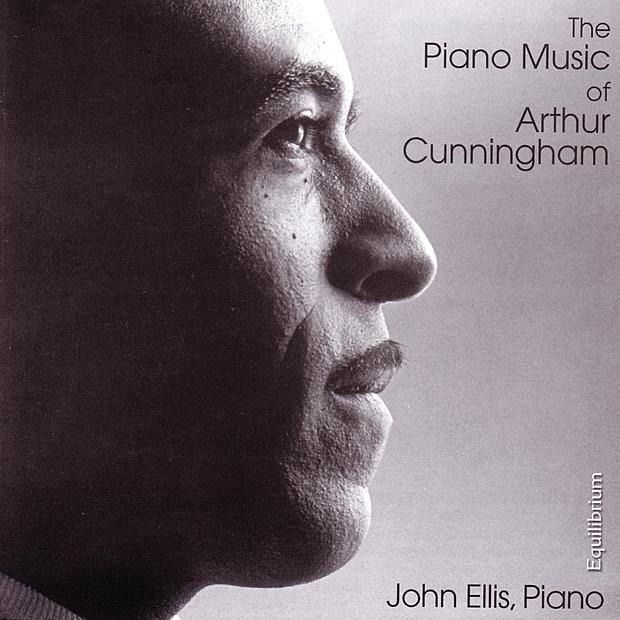 July 27, 2004
 -
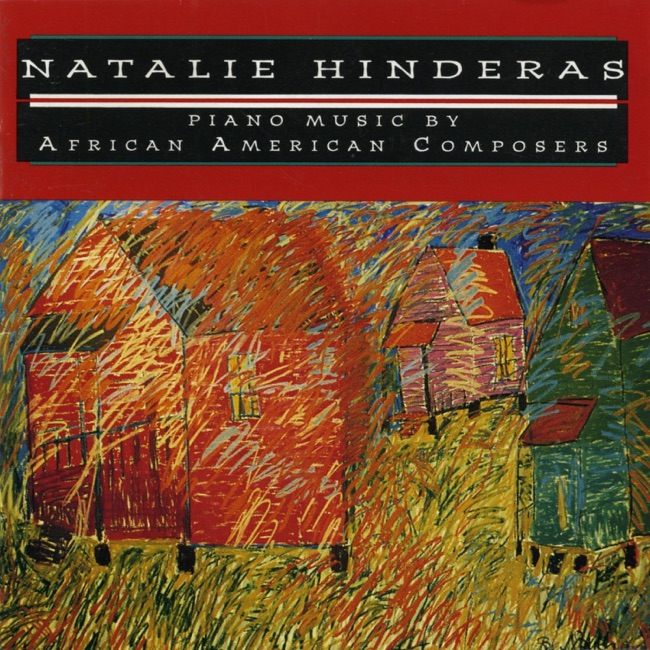 September 28, 1993
Artist Info
Role:ComposerBirth:November 11, 1928 in Piermont, NYPeriod:ModernGenre:KeyboardArthur Cunningham was a renowned classical music composer who was born on May 12, 1925, in London, England. He was the youngest of three children born to a family of musicians. His father was a violinist, and his mother was a pianist. From a young age, Cunningham showed a keen interest in music and began playing the piano at the age of four. Cunningham's parents recognized his talent and encouraged him to pursue a career in music. He began taking piano lessons and soon showed a natural aptitude for the instrument. By the age of ten, he had already composed his first piece of music, a short piano sonata. Cunningham continued to study music throughout his teenage years, attending the Royal Academy of Music in London. There, he studied composition under the tutelage of some of the most respected composers of the time. He also studied piano and became an accomplished performer. After completing his studies, Cunningham began his career as a composer. His early works were well-received, and he quickly gained a reputation as a talented and innovative composer. His music was characterized by its complex harmonies and intricate rhythms, and he was known for his ability to blend different musical styles and genres. One of Cunningham's most significant works was his Symphony No. 1, which he composed in 1950. The symphony was a groundbreaking work that combined elements of classical music with jazz and other popular music styles. It was hailed as a masterpiece and established Cunningham as one of the leading composers of his generation. Over the next few years, Cunningham continued to compose music, producing a series of works that were widely performed and admired. His music was played by some of the most prestigious orchestras in the world, and he was invited to conduct his own works in many countries. In 1960, Cunningham was commissioned to compose a new opera for the Royal Opera House in London. The resulting work, titled "The Tempest," was a critical and commercial success and cemented Cunningham's reputation as one of the most important composers of his time. Throughout the 1960s and 1970s, Cunningham continued to compose music, producing a series of works that were characterized by their complexity and innovation. He experimented with new musical forms and techniques, and his music became increasingly abstract and challenging. One of Cunningham's most significant works from this period was his String Quartet No. 2, which he composed in 1975. The quartet was a complex and challenging work that pushed the boundaries of traditional classical music. It was hailed as a masterpiece and established Cunningham as one of the most important composers of the 20th century. In the 1980s, Cunningham's music became more introspective and personal. He began to incorporate elements of his own life and experiences into his music, creating works that were deeply emotional and expressive. One of Cunningham's most significant works from this period was his Piano Sonata No. 3, which he composed in 1987. The sonata was a deeply personal work that reflected Cunningham's own struggles with illness and mortality. It was hailed as a masterpiece and established Cunningham as one of the most important composers of his generation. Cunningham continued to compose music until his death in 1995. His legacy as a composer is significant, and his music continues to be performed and admired by musicians and audiences around the world.More....
Copyright Ⓒ 2013 Davinci Finger. All rights reseved
Service Terms & Policy